In a crowded marketplace, first impressions aren’t just important, they’re everything. Whether it’s a brochure, pitch deck, social media graphic or email template, your brand’s visuals shape how people see and trust you. That’s where a creative design agency specializing in marketing collateral design comes in.

By blending strategy with strong design, these agencies help you communicate clearly and consistently. If you’re considering marketing collateral design services, here’s why it can be a smart investment for your brand’s growth.

What Is Marketing Collateral and Why It Matters

Marketing collateral includes all the branded materials you use to promote your business and support sales from digital assets like presentations and social media creatives to print materials like brochures and business cards.

When done well, collateral does more than look good. It:

  • Strengthens your brand identity
  • Builds trust with your audience
  • Supports your marketing and sales efforts
  • Helps convert prospects into customers

A good Marketing collateral design agency ensures every piece serves a clear purpose.

Key Benefits of Hiring a Marketing Collateral Design Agency

1. Consistent and Professional Brand Identity

One of the biggest issues businesses face is inconsistency different styles, colors and messaging across materials. This can confuse your audience.

A professional agency brings everything together, ensuring your brand looks and feels the same everywhere. With expert Marketing collateral design services, your business appears more polished and credible.

2. Access to Specialized Expertise

Design is not just about visuals, it’s about how people think and respond.

When you work with a Marketing collateral design agency, you tap into a team of specialists, including designers, strategists, and content experts. This means your materials aren’t just attractive, they’re effective and purposeful.

3. Saves Time and Internal Effort

Creating quality marketing materials takes time and skill. Doing it in-house can slow down your team and pull focus away from core work.

Outsourcing to a Marketing collateral design agency helps you:

  • Stay focused on business priorities
  • Reduce workload
  • Avoid hiring additional resources

You get professional results without the extra pressure.

4. Design That Drives Conversions

Good design doesn’t just inform, it guides action.

Experienced agencies create materials that lead the reader step by step, highlight key messages, and include clear calls-to-action. Strong Marketing collateral design services can directly impact how well your materials convert.

5. Fresh Ideas and Creative Direction

When you’re too close to your own brand, it’s easy to fall into repetitive patterns.

An external Marketing collateral design agency brings a fresh perspective, new ideas, and awareness of current trends. This helps your brand stay relevant and engaging.

Types of Marketing Collateral Agencies Create

A full-service agency can handle a wide range of materials, including:

  • Digital: eBooks, social media creatives, email templates
  • Sales: pitch decks, case studies, product sheets
  • Print: brochures, catalogs, business cards, including professionally crafted business brochures in Bangalore

All designed to align with your overall brand strategy.

When Should You Hire a Marketing Collateral Design Agency?

You should consider Marketing collateral design services if:

  • You’re launching a new brand or product
  • Your materials feel outdated or inconsistent
  • Your sales team needs better support tools
  • You want to scale your marketing efforts

Getting expert help early can save time and prevent rework later.

How to Choose the Right Agency

Not all agencies are the same. Look for:

  • A strong portfolio
  • Relevant industry experience
  • A strategic approach (not just design execution)
  • Clear and reliable communication

The right Marketing collateral design agency will feel like a partner, not just a service provider.

Final Thoughts

Great design is not just about aesthetics, it’s about impact. The right marketing collateral design services can strengthen your brand, improve communication, and drive better results.If you want your brand to stand out and connect with your audience, working with a skilled marketing collateral design agency like Honeycomb is a smart, long-term investment.

Continue Reading

If you are a businessman in Bangalore, you may be well aware of just how crowded the market is. Amidst all this competition, a brochure can be the first in-depth experience a customer has with your business. It goes beyond just an introduction; it’s something for a customer to read, think about, and remember.

For businesses today, particularly in a highly competitive market like Bangalore, a brochure can even act like a business tool.

If you’re considering business brochures in Bangalore, it helps to know about the different types of brochures and how they each serve a particular purpose.

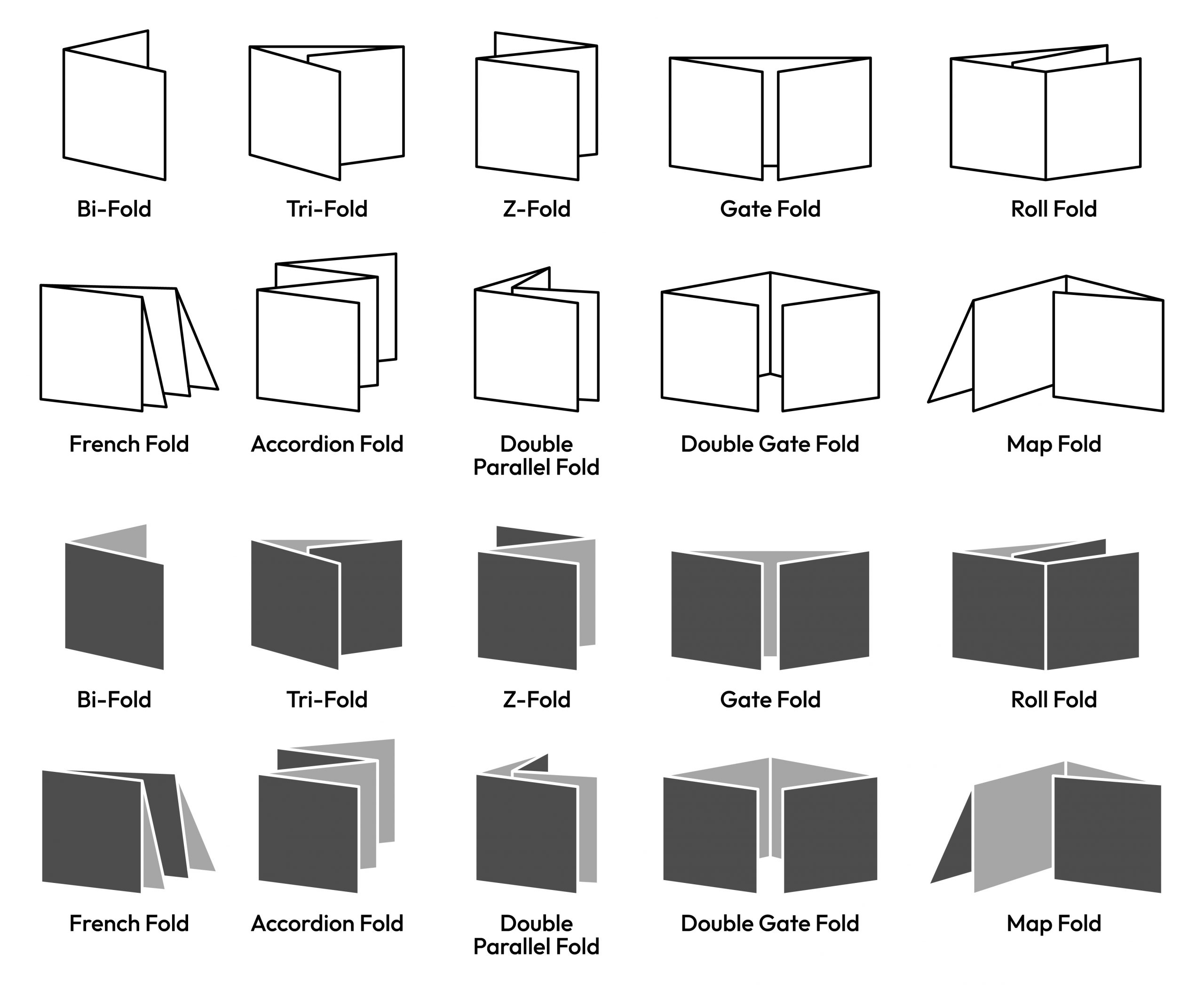
1. Bi-fold brochures- Simple and direct

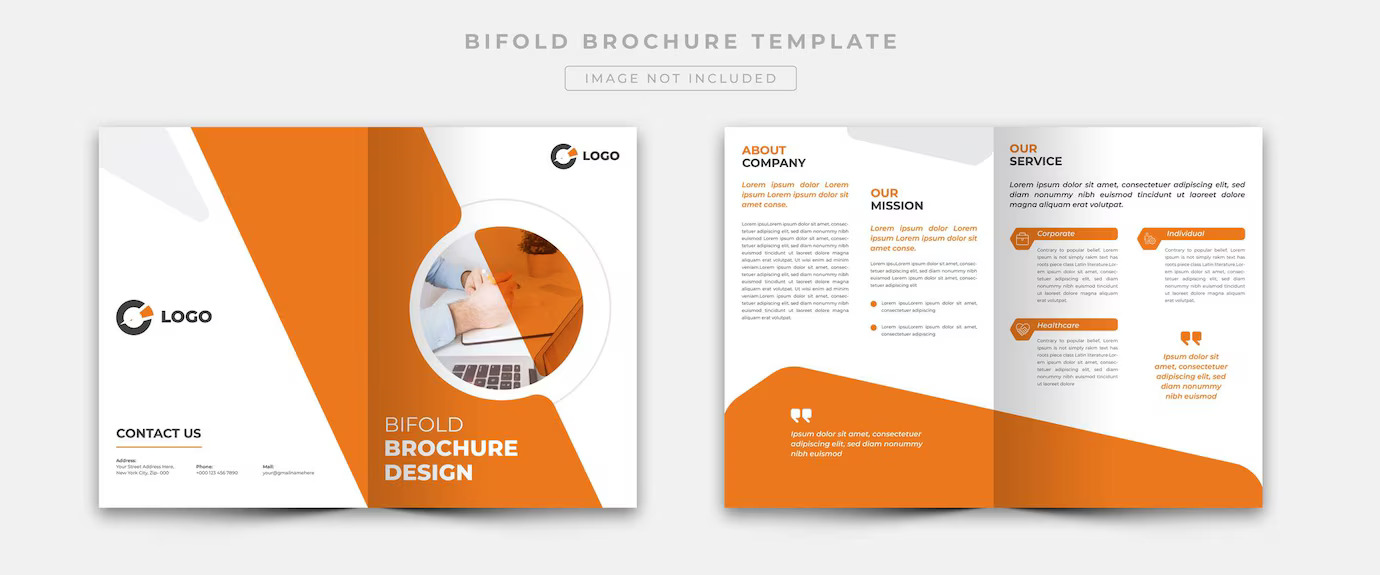
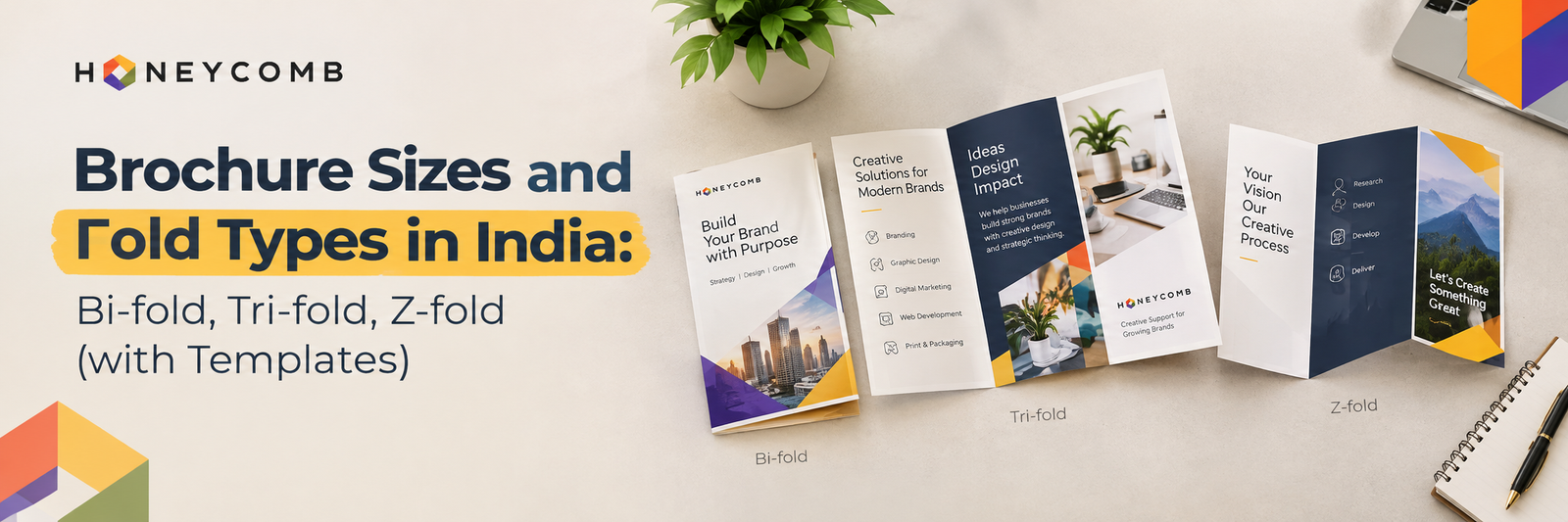
Bi-folds brochure is a popular style, which folds once to produce four sections.

The are best for:

  • Clearly communicating your business
  • Focussing on key business services or products
  • Keeping things simple

For many Bangalore brochure designers, this style offers a clean, structured way of communicating information without confusing the reader.

2. Tri-fold brochures- Structured and detailed 

Tri-folds are divided into six sections; this format can handle slightly more detailed information. 

They are useful when you want to: 

  • Dividing content into sections
  • Taking the reader through a step-by-step process
  • Adding a mix of graphics and text

This is a widely used format of business brochures in Bangalore because it effortlessly balances detail and readability. 

3. Z-fold brochures- For smooth flow of information

The z-folds have a smooth flow of information, which makes them ideal for presenting a story. 

How will they help:    

  • For presenting a process or a journey
  • When the content has a sequence
  • When the content needs to be visually presented 

With the right brochure design in Bangalore, z-fold brochures can create a more engaging reading experience, as compared to traditional formats. 

4. Gate-fold brochures- For premium presentations

These brochures offer a dramatic opening from the center. 

Gate-fold brochures are often used for:

  • Premium product launches
  • High-value services
  • Brand-focused communication

Businesses in Bangalore seeking to use business brochures as a marketing tool often prefer this format, as it helps in making a lasting impression. 

5. Multi-page booklets- In-depth communication

If a standard fold does not fit your content needs, a booklet-style brochure is a better option. 

These work well for: 

  • Detailed product catalogues
  • Company profiles
  • Industry-specific presentations

A well-designed brochure from a brochure design company in Bangalore can help even the most information-loaded content look easy to read, and to understand. 

Choosing the correct format for your business

Different brochures have different purposes, not all of them will be suitable for your business needs. Here, the right choice depends on what it is that you want the brochure to achieve. 

To understand that, ask yourself these questions: 

  • Is this going to be an introduction or an explanation? 
  • Will it support my sales team during conversations? 
  • Does my audience need clarity, or detail? 

These answers to these questions will guide you into choosing the right format for your brochure. 

Why do brochures still matter? 

This would be a valid question, given that we live in a digital-centric world. Even so, brochures play an important role, as they provide your business with a physical presence and allow you to present information in a concise manner. 

Good-looking business brochures do more than simply communicate information to the reader. They support decision-making. 

With the best brochure design, your brochure is actually an extension of your business- clear, structured, and aligned with your business objectives. 

Making the right choice 

A brochure is not just about its looks. It is about how well you communicate through it. 

The right format of brochure ensures that people get your message, your brand is represented well, and provides your customers with clear information they need. 

If you are planning to invest in business brochures in Bangalore, take the time to choose the right format. Partnering with Honeycomb for professional Brochure design services ensures your brochure doesn’t just sit on a desk, it becomes a powerful business tool.

Continue Reading

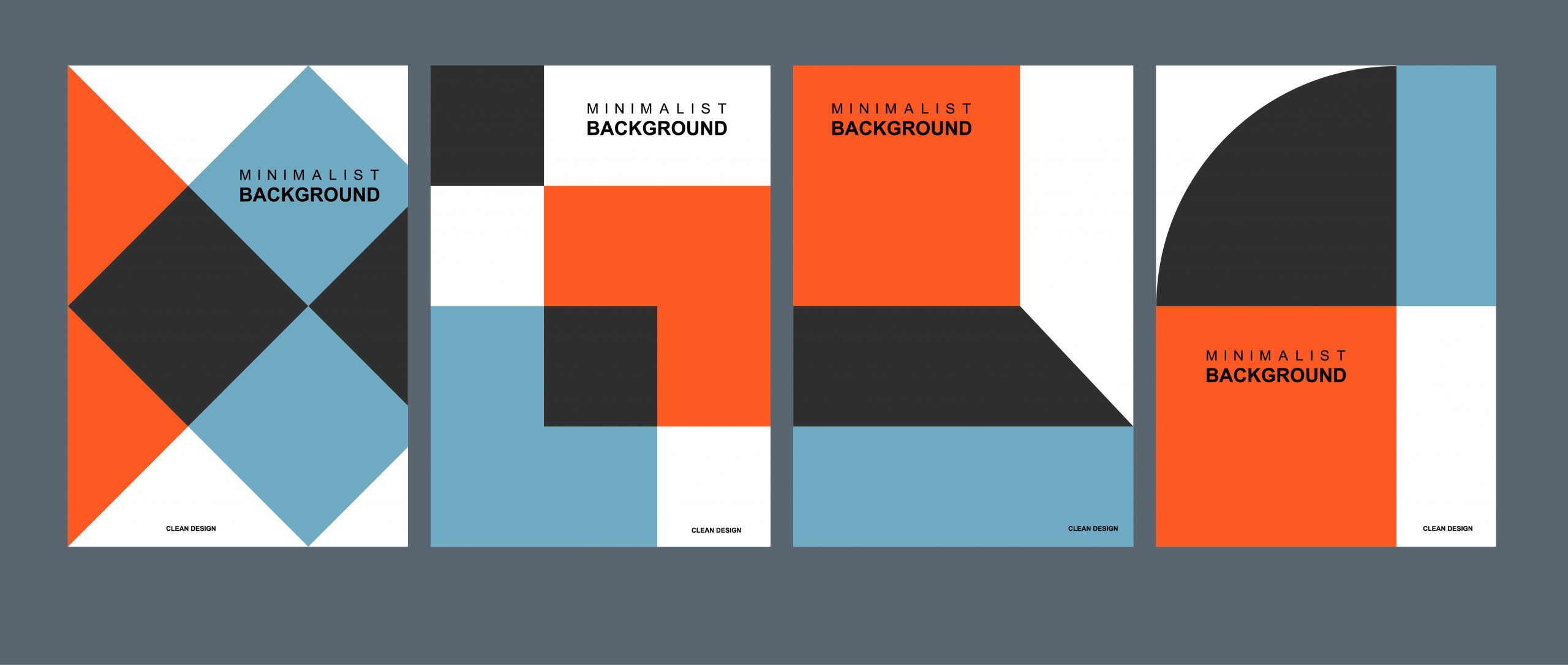
In modern branding and marketing, simplicity has become a powerful communication tool. Businesses are moving away from cluttered layouts and overly decorative visuals toward clean, focused communication. This shift has made Minimalist Brochure Design one of the most effective approaches for brands looking to create impact with clarity.

Today’s audiences prefer information that is easy to scan, visually appealing, and professionally structured. Minimal design achieves exactly that, delivering strong messaging without overwhelming the reader. As a result, minimalist brochures are now widely used across corporate, startup, and marketing environments.

What is Minimalist Brochure Design?

Minimalist brochure design focuses on presenting essential information using clean layouts, structured typography, and intentional visual elements. Instead of filling space with graphics, minimal design highlights what truly matters, the brand message.

The philosophy behind minimalism follows the principle: less design, more communication.

Core Elements of Minimal Design

  • Clean and structured layouts
  • Limited color palettes
  • Clear typography hierarchy
  • Strategic use of whitespace
  • Focused visual storytelling

This approach ensures readers quickly understand business offerings without distraction.

Why Minimalist Brochure Design Works for Modern Brands

Minimal design improves both visual appeal and communication efficiency. Businesses investing in Modern Minimal Marketing Brochure Trends often experience stronger engagement because customers can easily absorb information.

Key Benefits Include:

  • Improved readability
  • Professional brand perception
  • Faster message delivery
  • Premium and modern appearance
  • Better customer attention retention

For companies creating business brochures in Bangalore, minimalist layouts help communicate professionalism while maintaining global design standards.

Minimal brochure design continues evolving with changing branding styles and consumer expectations. Several Trending Minimal Brochure Design Concepts are shaping modern marketing materials.

Bold Typography as a Visual Focus

Large, confident typography replaces excessive design elements, allowing headlines to drive communication.

Purposeful White Space

Whitespace improves readability and creates visual balance, making brochures easier to navigate.

Neutral and Monochrome Color Schemes

Minimal color usage enhances elegance and ensures timeless design appeal.

Grid-Based Layout Structures

Structured grids help organize content logically while maintaining visual harmony.

High-Impact Imagery

Instead of multiple images, minimal brochures use one or two strong visuals to communicate brand value.

These approaches define current Minimal Layout Trends in Business Brochures across industries.

Check our blog  latest trending corporate design trends in bangalore 

Corporate brands increasingly adopt minimalism to reflect professionalism and clarity. Minimalist Corporate Brochure Design Trends focus on presenting information in a refined and structured manner.

Common corporate trends include:

  • Clean cover layouts with strong branding
  • Data visualization using simple icons
  • Minimal text blocks with clear sections
  • Consistent brand color usage
  • Elegant typography combinations

Corporate organizations prefer minimal brochures because they build credibility and trust instantly.

Professional Minimal Brochure Design Ideas for Businesses

Creating an effective brochure requires balancing creativity with functionality. Some proven Professional Minimal Brochure Design Ideas include:

  • Single-message focused pages
  • Visual storytelling through layout flow
  • Simple iconography for services
  • Strategic alignment of text and imagery
  • Premium print finishes like matte or textured paper

These ideas help brands communicate expertise while maintaining sophistication.

Role of Minimalist Design in Marketing Success

Minimal brochures are not just visually appealing — they directly influence marketing results.

Better Audience Engagement

Readers spend more time with clean and organized layouts.

Stronger Brand Recall

Simple design improves memory retention.

Improved Conversion Potential

Clear messaging guides readers toward action.

Premium Brand Positioning

Minimalism often creates a high-end perception.

Businesses investing in professional brochure design in Bangalore increasingly adopt minimal concepts to improve marketing effectiveness.

Modern brochure layouts focus on usability and clarity rather than decoration. Current trends include:

  • Asymmetrical layouts with balance
  • Content segmentation using spacing
  • Modular design structures
  • Visual storytelling sequences
  • Digital-friendly brochure formats

These layout strategies align with evolving customer reading behavior.

Common Mistakes to Avoid in Minimalist Brochure Design

While minimalism is powerful, improper execution can reduce effectiveness.

Avoid:

  • Removing too much information
  • Weak typography choices
  • Lack of visual hierarchy
  • Empty space without purpose
  • Inconsistent branding

Successful minimal design always maintains clarity while supporting communication goals.

Why Businesses in Bangalore Prefer Minimal Brochure Design

As Bangalore continues growing as a startup and corporate hub, companies require marketing materials that match global standards. Professional agencies offering brochure design in Bangalore help businesses create modern brochures aligned with brand strategy.

Minimalist brochures are especially popular among:

  • Startups and technology firms
  • Corporate companies
  • Real estate brands
  • D2C businesses
  • Creative and consulting agencies

Clean design reflects innovation — something Bangalore-based brands actively seek.

Future of Minimalist Brochure Design

The future of brochure design combines minimal aesthetics with digital adaptability.

Emerging trends include:

  • Interactive digital brochures
  • QR-integrated print designs
  • Sustainable printing methods
  • AI-assisted layout creation
  • Hybrid print and digital experiences

Minimalism will continue shaping how brands communicate efficiently across both physical and digital formats.

Take away 

In an era of information overload, simplicity has become a competitive advantage. Minimalist Brochure Design allows businesses to communicate clearly, build trust, and create lasting impressions through thoughtful design.

From corporate presentations to marketing campaigns, adopting modern minimal approaches ensures brochures remain impactful and relevant. Businesses embracing Modern Minimal Marketing Brochure Trends gain stronger engagement while presenting a refined brand identity.

Ultimately, less design truly delivers more results when executed strategically.

Continue Reading

Corporate Brochure Design Trends in Bangalore have evolved significantly over the past few years, especially within the city’s highly competitive business environment.

Bangalore-based businesses operate in fast-moving sectors such as IT, D2C brands, SaaS, manufacturing, and real estate, where first impressions matter.

Today, brochures are no longer limited to being simple print collateral.

Corporate brochures are now treated as strategic brand assets used across multiple touchpoints, including:

  • Sales and client meetings
  • Investor presentations and pitch decks
  • Trade shows, expos, and corporate events
  • Employee onboarding kits
  • Digital sharing via WhatsApp, email, and online platforms

Because of this expanded usage, brochure design has become a strategic branding and marketing exercise, not just a design task.

A modern corporate brochure must:

  • Reflect a premium and professional brand image
  • Communicate key messages clearly and quickly
  • Maintain visual consistency with overall branding
  • Perform effectively in both print and digital formats

Businesses are increasingly adopting modern brochure design approaches to improve brand recall, engagement, and conversion.

Below are the top corporate brochure design trends in 2026 that forward-thinking brands in Bangalore are using to stand out in competitive markets.

 
1. Minimal, Structured Layouts That Feel Premium

  • Modern business brochures are increasingly adopting clean visual layouts that emphasize clarity and sophistication.
  • Brands are moving away from crowded pages and choosing designs with generous white space and fewer visual interruptions.
  • Content is organized using clear sections, visual hierarchy, and grid-based alignment, making information easier to scan.

Instead of long text blocks, well-planned layouts rely on:

  • Short content sections
  • Consistent spacing
  • Balanced typography
  • This structured presentation helps senior stakeholders and decision-makers understand key messages quickly.
  • Improved readability supports faster comprehension during meetings, pitches, and presentations.

Minimal layouts translate effectively across formats, ensuring consistency between:

  • Printed materials
  • Downloadable PDFs
  • Mobile-optimized digital versions
  • As a result, brands benefit from better engagement, stronger brand perception, and a more professional presentation across all touchpoints.

 2. Digital-First Brochure Design for WhatsApp and LinkedIn Sharing

  • Many business brochures are now shared digitally rather than printed, especially during sales outreach and professional networking.
  • Companies are designing materials with a mobile-first mindset, as most recipients open PDF files on smartphones.
  • Digital-first brochure layouts focus on screen readability and user interaction, not just visual appeal.

Key elements of a mobile-friendly brochure include:

  • Legible typography that remains clear on small screens
  • Short page lengths with smooth scrolling and simple navigation
  • Interactive elements such as clickable links, email buttons, and website call-to-actions
  • Optimized file sizes that load quickly without compromising visual quality
  • This design approach makes brochures more effective for business development, quick outreach, and online sharing.
  • Digitally optimized brochures also support modern buyer behavior, where prospects prefer reviewing documents independently before engaging in conversations.
  • As a result, brands benefit from higher engagement, better accessibility, and improved response rates across professional platforms. 

3. Strong Storytelling Instead of “Company Profile” Dumping

  • A major shift in corporate brochure design is moving away from traditional “About Us” pages that present generic, company-centric information.
  • Instead of leading with background history, many Bangalore-based brands are adopting story-driven narratives that focus on relevance and impact.
  • Modern brochures prioritize outcomes, credibility, and value propositions in the opening pages.

A well-structured brochure now clearly answers key buyer-focused questions, such as:

  • What does the business do, and who is it built for?
  • Which challenges or pain points are addressed?
  • What measurable results or success stories support the claims?
  • Why should prospects place their trust in the brand?
  • The initial pages are designed to highlight value, proof points, and real-world use cases, helping readers quickly understand the offering.
  • Detailed company background and history are positioned later in the document, once interest and engagement have already been established.
  • This storytelling-led approach aligns better with modern decision-making behavior, especially in sales meetings, investor discussions, and digital sharing. 

4. Data-Led Pages with Clean Infographics

  • Business decision-makers in Bangalore tend to be analytical and results-driven, looking for evidence rather than surface-level claims.
  • As a result, modern business brochures are incorporating data-supported content instead of relying solely on descriptive text.
  • Visual elements are used to explain information clearly and efficiently, helping readers grasp complex ideas quickly.

Common data-led visual components include:

  • Process diagrams that outline how teams work and deliver
  • Timeline visuals that show project stages and milestones
  • Capability maps that group services and offerings logically
  • Simple performance indicators highlighting results, scale, and reach 
  • The focus is not on filling pages with visuals, but on clear communication and structured messaging.
  • Each section is designed to convey one core idea, supported by purposeful visual layouts.
  • This approach improves information retention, credibility, and buyer confidence across sales and presentation touchpoints.

 5. Brand Consistency Across Brochure, Website, and Pitch Decks

  • Corporate branding practices among Bangalore-based organizations have become more structured and system-oriented.
  • Businesses are ensuring that their marketing materials follow a single, consistent brand framework across all channels.

Visual and messaging alignment is maintained between:

  • Printed business brochures
  • Company websites and landing pages
  • Social media creatives
  • Investor presentations and proposal documents

This alignment typically includes:

  • Consistent typography styles and spacing guidelines
  • Coordinated color palettes and iconography
  • A unified tone of voice and clear messaging hierarchy
  • A shared visual language applied across all brand assets
  • When brand materials follow the same design system, businesses appear more credible, professional, and trustworthy.
  • Consistency across touchpoints also reduces confusion for prospects as they move between digital, sales, and presentation environments.
  • A cohesive brand experience improves recognition, recall, and confidence throughout the buyer journey. 

6. High-Quality Photography and “Real” Visuals

  • Generic stock imagery is gradually losing effectiveness in professional business materials.
  • Brands are shifting toward authentic photography and original visual content that reflects their people, environment, and offerings.
  • Real visuals help communicate transparency, credibility, and brand values more effectively than staged images.

Common examples of authentic visual usage include:

  • Team photographs that appear natural, approachable, and professional
  • Actual project images, including process shots and before-and-after comparisons
  • Product-in-use photography that shows real-world application
  • Office or facility visuals that reinforce operational credibility
  • These authentic visuals allow prospects to see the people and work behind the brand, not just marketing claims.
  • Using real imagery strengthens emotional connection, trust, and confidence, especially during early evaluation stages.
  • This approach also supports stronger engagement across presentations, digital sharing, and sales interactions.

 7. Premium Print Finishes for High-Stakes Meetings

  • Despite the rise of digital sharing, printed materials continue to play an important role in Bangalore’s business ecosystem.
  • Physical brochures are especially relevant for trade shows, luxury offerings, property marketing, and high-value B2B engagements.
  • Premium print treatments are gaining popularity because they create a strong and memorable first impression.

Commonly used print enhancements include:

  • Matte lamination combined with spot UV accents
  • Textured or specialty paper stocks that add a tactile, high-end feel
  • Minimal cover layouts supported by bold, confident typography
  • Clean, high-contrast page designs that improve print readability 
  • These finishing choices help elevate the perceived value of the material during in-person meetings and presentations.
  • A well-produced brochure signals attention to detail, professionalism, and brand quality.
  • The overall objective is to position the brochure as a premium brand asset, not a disposable handout.

8. Modular Brochures That Can Be Updated Quickly

  • Bangalore-based businesses operate in fast-changing and competitive markets, where offerings, pricing, and case studies evolve frequently.
  • Because of this, brochure design is becoming more practical, flexible, and future-ready.
  • Modular brochure structures are built using independent content sections that can be updated without redesigning the entire document.

Common modular use cases include:

  • Swapping service pages based on target audience or sales context
  • Adding or removing industry-specific sections
  • Rotating case studies without disturbing the overall layout
  • This approach helps organizations stay current and relevant without repeated design cycles.
  • Modular layouts also lead to lower long-term design costs and faster turnaround times.
  • Flexible brochure systems support both print updates and digital sharing, making them ideal for growing businesses.

9. Clear CTA Placement and Conversion-Driven Design

  • Business brochures are increasingly treated as sales enablement tools, not just informational documents.
  • Call-to-action placement has become more intentional and user-focused.

Instead of limiting contact details to a single page, modern brochures now include:

  • Clear CTAs at the end of each major section
  • QR codes for quick access to websites or landing pages
  • Visible email and phone details throughout the document
  • One primary action such as book a call, request a quote, or schedule a demo
  • This structure reduces friction and removes guesswork for prospects.
  • Clear next steps improve response rates, engagement, and lead conversion, especially during sales discussions.
  • Conversion-focused layouts align better with modern buyer behavior and shorter decision cycles.

Conclusion: 

Corporate brochures are no longer just static company profiles. Today, corporate brochure design in Bangalore has become a strategic communication tool that focuses on clarity, credibility, and conversion across both print and digital formats. As reflected in current Corporate Brochure Design Trends in Bangalore, brands are moving towards clean layouts, purposeful storytelling, authentic visuals, and flexible structures that adapt to different audiences and platforms.

Businesses that align their brochures with these evolving trends are better positioned to build trust and encourage meaningful action from potential customers. A brochure that has not been updated in the last two to three years may no longer match how modern buyers evaluate businesses. Design expectations, content structure, and visual standards have changed significantly, making regular updates essential to stay relevant.

Talk to us today: https://www.honeycombindia.net/contact/

Continue Reading

Most brochures aren’t bad. They’re just forgettable.

They look fine, the content is accurate, and the brand colours are technically right. Yet somehow, they fail to impress or support a real business outcome. That’s usually not a content problem or a design tool problem, it’s a decision problem.

Too many brochures are created in isolation without enough strategic intent, and that’s where outsourcing your Brochure Design to the right Design Agency makes all the difference.

Brochures do their real work when nobody is watching them.

A brochure’s most important work starts after it is handed out.

It works:

  • When the meeting is over,
  • When it’s opened alongside competitor material
  • When somebody is deciding whether to follow up – or not

In such moments, clarity is more important than creativity, structure more important than style, and intention more important than aesthetics.

This is where professionally outsourced brochure design often outperforms internal or ad-hoc efforts.

Visit:  10 Common Brochure Design Mistakes and How to Avoid Them

Outsourcing isn’t about better design; it’s about better thinking.

The biggest myth surrounding brochure design outsourcing is that it is about getting something that “looks more polished.”

In truth, the value comes in how problems are approached, not in how layouts are executed.

A specialized Creative Design Agency views brochures in a different perspective:

  • As communication tools and not just brand assets.
  • As decision aids, rather than mere information holders.
  • As part of a wider brand ecosystem, not stand-alone files.

That shift in thinking alone dramatically improves outcomes.

1. You get objectivity that cannot be attained with internal teams.

The internal teams are usually too close to the business. They know too much.

This leads to brochures that:

  • Explain everything, rather than prioritizing.
  • Use internal language instead of audience language.
  • Assume context that the reader doesn’t have.

Outsourcing your brochure design brings in distance and objectivity. A good design agency questions assumptions, simplifies messaging, and designs for the reader rather than for the organisation chart.

2. The brochure gets designed around decisions, not sections

Many brochures are organized around departments, services, or features.

Strategic brochure design centers on how people think and decide.

Professional designers:

  • Sequence information intentionally
  • Control what the reader sees first, second, and last.
  • Use layout to achieve emphasis, not just for aesthetics

This leads to brochures that naturally carry the reader through, never at an uncomfortable or sales-heavy pace.

3. Visual hierarchy does the heavy lifting

Good brochure design doesn’t rely on long explanations.

Instead, it uses:

  • Spacing that helps in reducing cognitive load
  • Typography to indicate importance
  • Layout rhythm to keep attention moving

A creative design agency knows how to make content feel lighter, clearer, and easier to absorb, never removing substance.

That’s a critical difference.

4. Your brand begins to feel more confident.

Confidence in branding is very often subtle.

It shows up in:

  • Restraint, not excess
  • Clarity, not Clutter
  • Consistency, not variation

Outsourced brochure design helps brands move away from trying too hard and towards communications that feel composed and intentional. As highlighted in The Power of Brochure Design: Why Your Business Needs It, this sense of quiet confidence is especially powerful within B2B and premium markets, where clarity, restraint, and credibility matter most.

5. You stop redesigning the same brochure repeatedly

One major, unseen cost is repetition of brochure designs in-house.

Small changes in messaging, leadership, or offerings are often followed by

  • Full redesigns
  • Patchwork updates
  • Visual inconsistency across time

A professional Design Agency will build brochures upon robust systems, not one-off layouts. This makes future updates easier and faster, and far less disruptive.

6. Print and digital are on an equal footing

A lot of brochures still get designed mainly for print and then retrofitted for digital as an afterthought.

Outsourced brochure design accounts for:

  • Screen readability
  • File optimization
  • Digital sharing behavior

This ensures the brochure performs equally well in email follow-ups, presentations, downloads, and physical meetings.

7. Instead of sitting with the marketing people, the brochure starts supporting sales.

One of the clearest benefits of outsourcing consists of alignment.

Designed strategically, brochures can:

  • Overcome common sales objections
  • Reinforce verbal conversations
  • Reduce need for follow-up explanations

This turns the brochure into a quiet sales ally, one that works consistently and reliably.

When outsourcing the brochure design makes sense

Outsourcing your brochure design is of particular value when:

  • The brochure plays a role in closing or qualifying leads.
  • Brand perception needs to be uplifted.
  • Internal design resources are stretched thin
  • Past brochures haven’t delivered measurable impact

In these situations, design stops being a task and becomes a tool.
Key reflections

  • Most brochure problems aren’t visual-they’re structural
  • Outsourcing brings clarity, objectivity, and intent.
  • A Creative Design Agency designs for decisions, not decoration.
  • Strong brochures influence outcomes- quietly, but consistently

How Honeycomb approaches designing brochures

At Honeycomb, brochure design commences with but one question:

What should this brochure do for the business?

From there, every design decision is done with the view to supporting clarity, confidence, and usability. No superfluous embellishment. No filler content. Just communication that holds up when it matters most.

If your brochure needs to do more than simply exist, Let’s design something that actually supports your business.

https://www.honeycombindia.net/contact/

Continue Reading

Brochures continue to be one of the most reliable marketing aids for Indian businesses—whether it’s hosting a corporate function, selling real estate, or introducing a new product range. However, despite their promise, most brochures fail due to a lack of a cohesive Brochure Design.

That’s not a design failure—it’s a strategy failure.

A well-made brochure does not only convey information—it convinces, directs, and converts. But when executed poorly, it can damage your brand more than it helps.
In this blog, we dissect 10 of the most common mistakes companies make in their marketing collateral, as well as smart ways to steer clear of them. If you’re a startup or expanding business, these tips can guarantee your next brochure makes a lasting impression.

The Must-Know Traps: 10 Common Mistakes

A brochure can either be a persuasive storyteller or an expensive piece of clutter. Here are the pitfalls you’ll want to steer clear of:

  1. Overcrowded Content
    Trying to say too much in one space is one of the most common issues. When the layout is overwhelmed with text, images, and icons, the message gets lost.
    How to avoid it: Keep the content focused and clean. Use white space effectively to help the reader navigate.
  2. Neglect of Brand Identity
    Many brochures fail to reflect the company’s branding—missing consistent colours, fonts, or tone.
    How to avoid it: Stick to brand guidelines. Visual consistency builds brand recognition and trust.
  3. Poor Information Hierarchy
    If the reader can’t identify what’s important at a glance, the layout has failed.
    How to avoid it: Use headings, bullet points, and typography to guide the eye. Hierarchy matters.
  4. Low-Quality Images
    Blurry or pixelated visuals immediately downgrade credibility.
    How to avoid it: Use high-resolution, print-optimised images. Invest in custom photography if possible.
  5. Too Many Fonts
    Using a wide variety of fonts creates confusion rather than creativity.
    How to avoid it: Limit font choices to two or three that complement your brand tone.
  6. Missing Call to Action (CTA)
    A great design without a CTA is a missed opportunity.
    How to avoid it: Make sure the next step is clear—be it visiting a site, making a call, or booking a consultation.
  7. Poor Colour Choices
    Random or clashing colours can distract the reader and dilute your message.
    How to avoid it: Align your palette with brand colours and apply colour psychology for emotional impact.
  8. Ignoring Print Specifications
    Designs that look good digitally may not print well without proper setup.
    How to avoid it: Pay attention to margins, bleed, and resolution. Work with professionals who understand both formats.
  9. No Proofreading
    Typos or errors reflect carelessness and affect credibility.
    How to avoid it: Review content multiple times and get a fresh pair of eyes to scan for mistakes.
  10. Misunderstanding the Audience
    Even a stunning visual fails if it doesn’t connect with its intended viewers.
    How to avoid it: Understand your audience—what matters to them and what motivates action.

Why Expert Help Matters

An effective brochure is more than avoiding missteps—it’s about creating an immersive brand asset that reflects quality and strategy. Here’s what a professional service brings to the table:

  • Strategic Layout: Clear flow of information that retains interest.
  • Print Expertise: Proper formatting for different materials and finishes.
  • Creative Consistency: Ensures all elements—from visuals to copy—work in harmony.

By investing in expert brochure design, you’re not just printing paper—you’re building a visual experience that can drive decisions, increase recall, and strengthen engagement.

Wrapping Up

In today’s cluttered marketing space, subpar designs go unnoticed—or worse, damage brand reputation. Avoid these common mistakes to ensure your material delivers results.

Whether you’re promoting services, launching a product, or inviting clients to a business event, a thoughtfully crafted design can make all the difference. If you want your marketing to speak volumes, don’t take chances.

Collaborate with a team that understands not just visual design, but the principles of persuasive communication. Honeycomb Creative Support excels at creating marketing pieces that are as effective as they are elegant.

Ready to create something impactful?
Discover how Honeycomb’s design expertise can help bring your brand story to life.
Visit honeycombindia.net or connect with us today.

Continue Reading

Often referred to as the Silicon Valley of India, it isn’t just a tech hub, but also quickly becoming a creative and design hub. And as we begin 2025, the magazine design landscape is going through a surreal transformation, where traditional aesthetics are coming together with unique innovations. 

Let’s take a look at our focused overview of the most significant magazine design trends to hit Bangalore in 2025.

1) Bold Minimalism

The phrase “less is more” is becoming bolder than ever in 2025, it seems designers are sticking with a minimalistic layout but are taking huge bold elements (bright color blocks, gigantic typography, or audacious photography) in the approach to design. The idea is that you want each component to be big enough so that it draws your attention and contributes to the overall composition.

2) AI Design

Artificial Intelligence isn’t just something of the future anymore; it’s a real-time tool that is actively changing our design process. For magazine designers, AI will play a role in producing layout suggestions and manipulating color styles based on what our readers choose. AI’s aim is to be able to produce more personalized and engaging content for our readers.

3) Sustainable, Environmentally Friendly Design 

Sustainability is weightier than ever in design. Magazines are striving for environmentally-aware products, from recycled paper, to soy inks, to multi-step print processes. Design-wise, earthy green hues, organic materials, and references to nature abound, demonstrating the medium’s relationship with place.

4) Mixed Media and Collage 

On the part of the designers, they have leaned into a scrapbook aesthetic in designing magazines, weaving together photographs, illustrations, textures, and hand-written elements, so as to create a richer page experience. This layering introduces depth and sensation, while allowing for the kinds of experience a multiplicity of content resonates with. Consumers often have to juggle their roles as consumers with sociocultural conventions of nostalgia and authenticity.

5) Inclusive Design 

Simply put, inclusivity is more than trendy. It’s a design responsibility. Magazines are prioritizing accessible content, using clear, legible fonts with high-contrast pairings and alt-text for photographs, as well as striving to amplification of voices and stories that reflect a more diverse userbase.

6) 3D and Immersive Visuals

Thanks to recent developments in technology, magazine design has opened up to include 3D elements and feature consumer-friendly features like pop-up graphics, augmented reality, and, even, immersion in a digital space. Suddenly, we are in a place where the lines between print and digital are smudged together for readers’ immersive experience.

Also Read About : The Impact of AI on Graphic Design Services

7) Nostalgia at its Best

You know what they say, “when we get nostalgic, we can expect to recreate styles from decades past.” Nostalgia is serious business! The decade’s best features are often some of the best source material for designers: its fun and playful, vintage colors, retro typography, or layouts from an era we knew as the ’70s and ’80s. These layouts instill warm feelings of familiarity, but we are giving them a fresh spin.

8) Personalized Content Layouts

Are you thinking “one size fits all” for your readers? Increasingly, the trend for magazines is using modular layout designs that allow you, the magazine, to consider different reader experiences and preferences. By breaking up content into bite-size pieces, considering on page interactive elements, or a way to customize a path of reading, publications will help users feel engaged.

9) Integration of Local Art and Culture

A rich cultural tapestry is finding its way into magazine designs. Collaborations with local artists, incorporation of regional motifs, and features on indigenous crafts are adding a unique flavor to publications, celebrating heritage and tradition.

10) Dynamic Typography

Typography is taking center stage, with designers experimenting with variable fonts, kinetic text, and unconventional placements. These dynamic typographic choices not only enhance visual appeal but also convey emotions and narratives more effectively.

The magazine design scene  in 2025 is a harmonious blend of tradition and innovation. As designers navigate the evolving landscape, the focus remains on creating content that’s visually captivating, culturally resonant, and reader-centric.

Looking to Elevate Your Magazine Design?

At Honeycomb Creative Support, we specialize in crafting magazine designs that resonate with your audience. Our team combines artistic flair with strategic insights to deliver publications that stand out. Partner with us to bring your vision to life.

Continue Reading

The Power of Brochure Design: Why Your Business Needs It 

Brochures are considered purely technical- a way to load important information into a compact format. While they do serve this technical purpose, they can also be engaging. Your business brochures can excite, draw in readers, and make your brand unforgettable all the while being informational. A well-Brochure Design has the potential to tell a story, spark curiosity, and reflect the essence of your business.  

If your brochure is just a few papers of facts and figures, here are some ways we can turn it into a true marketing asset that resonates with your audience. 

Making Your Brochure Design Engaging and Effective 

Brochures are valuable, here’s how they stand out and engage the audience 

  1. Start with a Strong Headline: Like any other marketing material, your brochure must have an eye-catching title that grabs the audience’s attention right from the onset. Make it simple and to the point as well as relevant to the central theme of the information to be passed across. 

  1. Use High-Quality Design: Never compromise on the look and feel of the design. Your brochure’s appearance is very important, implying that a professional layout and proper choices of colour are essential. This design represents your business, this gives a unique feel which helps establish the commitment to the quality of your products and designs. 

  1. Be concise but Impactful: While the brochures have more space than a flyer, you still need to be strategic with the content. Keep the written text simple, but informative and concentrate on the services offered on the website. 

  1. Add Engaging Imagery: Visuals can make the brochure attractive and interesting to read. This is why it is essential to select images that lift the brochure’s feel and complement the message. Product image photos of the objects in use, infographics, and charts are other ways of making the content more vibrant. 

  1. Add Interactive Elements: Interactive elements like a QR code or a link that directs to a video bridge the gap between different media, this makes your brochure more interesting. 


What a Well-Designed Brochure Conveys 

Brochures can do more than just information dumping; they can persuade your audiences to explore your business more and build trust. Here’s what a well-crafted brochure can communicate about your business: 

  1. Your Brand’s Personality: The colours, fonts, layout, illustrations- all are echoes of your brand in a brochure. Brochure design can say a lot about who you are as a brand. 

  1. Your Value Proposition: It invites your customers to know why your business’s existence is important to them. It focuses on the gains that are obtained from the product or service that you provide as well as how you can help to solve the client’s underlying issues or deal with his/her needs. 

  1.  A Personal Connection: Business brochures can talk with potential customers/clients one-on-one. You get to speak directly with the customers, addressing their pain points and offering solutions in a format that feels customized. 

  1. Trust and Credibility: Being precise and creative assures potential customers that you are serious about business. The work you put in every course of interaction with the clients will build trust and show how credible you are 

  1. Call to Action: Brochure can lead the readers to the next action. A good brochure design is done in such a way that towards the end it urges you to take action. 

How Our Marketing Agency Can Help 

Creating a brochure that looks good and effectively communicates your brand’s message is not a small feat. Honeycomb Design & Digital specializes in designing brochures that go beyond the ordinary, delivering a blend of creativity and professionalism to help your business stand out. 

Our designs drive results. Our team takes all the input and considers all the requirements of our clients to create the best brochure design that directly speaks to your target audience.  

Brochures don’t have to be purely technical or dry. With the right approach, they can be a dynamic part of your marketing strategy. With a focus on design, storytelling, and a clear message, brochure designs use information to build engagement. 

Create a brochure that sets your business apart. Honeycomb Design & Digital helps you design an amazing brochure that delivers real value to your customers. Get in touch with us today! 

Continue Reading

In today’s competitive business landscape, a well-crafted brochure design is an essential tool for effectively communicating your brand’s message. Whether you’re a small business or a large corporation, brochures play a crucial role in your marketing strategy, helping you stand out and connect with your target audience. In this comprehensive guide, we will explore the importance of Brochure Design, how to create a corporate brochure that resonates with your audience, and the best practices for optimizing your brochures to enhance their impact.

Why Brochure Design Matters

Brochure design is more than just arranging text and images on paper; it’s about creating a visual representation of your brand that captures the essence of your business. A well-designed brochure can convey professionalism, build trust, and leave a lasting impression on potential clients. Whether it’s a marketing brochure design or a product brochure design, the key is to make it visually appealing and informative, while aligning with your brand’s identity.

Key Elements of Effective Brochure Design:

  1. Purpose-Driven Design: Every brochure should have a clear purpose, whether it’s to inform, persuade, or entertain. Understanding the goal of your brochure will guide the design process, ensuring that every element supports your objective.

  2. High-Quality Graphics: The visual appeal of your brochure largely depends on the quality of the graphics used. Professional brochure designs often incorporate custom illustrations, high-resolution images, and carefully chosen color schemes that align with the brand’s identity.

  3. Consistent Branding: Consistency is key in brochure design. Your brochure should reflect your brand’s colors, fonts, and overall aesthetic. This consistency reinforces brand recognition and helps to create a cohesive marketing message.

  4. Engaging Content: While design is crucial, the content of your brochure is equally important. Brochure content writing should be concise, clear, and engaging, providing the necessary information while keeping the reader’s interest.

  5. Interactive Features: With the rise of digital media, incorporating interactive brochure design elements such as clickable links, videos, and animations can significantly enhance user engagement.

Creating a Corporate Brochure That Stands Out

A corporate brochure is a powerful marketing tool that can showcase your company’s strengths, services, and values. It’s often the first impression potential clients have of your business, so it’s essential to make it count. Here’s how to create a corporate brochure that not only looks great but also effectively communicates your brand message.

Steps to Design an Effective Corporate Brochure:

  1. Understand Your Audience: Before you start designing, it’s crucial to understand who your audience is and what they expect from your corporate brochure. Tailor your content and design to meet their needs and preferences.

  2. Focus on Clear Messaging: Your corporate brochure should communicate who you are, what you do, and why you’re the best choice. Use straightforward language and avoid jargon to ensure your message is easily understood.

  3. Highlight Your Unique Selling Points (USPs): What sets your company apart from the competition? Make sure your corporate brochure highlights your USPs, whether it’s your innovative products, exceptional customer service, or industry expertise.

  4. Incorporate Testimonials and Case Studies: Social proof is a powerful tool in marketing. Including testimonials from satisfied clients or case studies of successful projects can add credibility to your corporate brochure and persuade potential clients to choose your business.

  5. Invest in Professional Design Services: While it’s possible to design a brochure in-house, investing in professional brochure design services can significantly enhance the quality of your brochure. A professional designer can bring your vision to life, ensuring that every aspect of the design is polished and aligned with your brand.

Optimizing Your Brochures for Maximum Impact

Creating a brochure is just the first step; optimizing it for maximum impact is where the real results come from. Whether it’s a digital brochure design or a traditional print brochure, optimization is key to ensuring that your brochure reaches and resonates with your target audience.

Best Practices for Brochure Optimization:

  1. SEO-Friendly Content: If your brochure is available online, make sure the content is optimized for search engines. Incorporate relevant keywords such as “brochure design,” “corporate brochure,” and “marketing brochure design” to increase visibility and attract more traffic.

  2. Call to Action (CTA): Every brochure should include a strong call to action. Whether it’s directing readers to your website, encouraging them to contact you, or inviting them to learn more about your services, a clear CTA guides the reader on what to do next.

  3. Distribution Strategy: Consider how you will distribute your brochures. For print brochures, think about locations where your target audience is likely to pick them up. For digital brochures, make sure they are easily accessible on your website and shareable on social media.

As technology evolves, so do the trends in brochure design. Staying ahead of these trends can give your brochures a modern edge and keep your marketing efforts fresh and relevant.

Emerging Trends in Brochure Design:

  1. Minimalist Design: Less is more in modern brochure design. A minimalist approach focuses on clean lines, simple layouts, and plenty of white space, making the content easy to read and visually appealing.

  2. Bold Typography: Typography is becoming a central element in brochure design. Large, bold fonts can make a statement and draw attention to key messages.

  3. Interactive Digital Brochures: As more businesses move online, interactive brochures that include features like embedded videos, clickable links, and animations are becoming increasingly popular.

  4. Eco-Friendly Materials: For print brochures, there’s a growing trend toward using sustainable, eco-friendly materials. This not only appeals to environmentally conscious consumers but also reflects positively on your brand’s values.

Conclusion

Brochure design is an integral part of any successful marketing strategy. Whether you’re creating a corporate brochure or a marketing brochure design, the key is to ensure that your brochure is visually appealing, informative, and aligned with your brand’s identity. By following the best practices outlined in this guide, you can create brochures that not only capture attention but also drive results.

Investing in high-quality, SEO-optimized brochure content will boost your online visibility and credibility, helping you to stand out in a crowded marketplace. With a focus on professional design and engaging content, your brochures can become powerful tools for showcasing your brand and achieving your marketing goals.

Continue Reading

WhatsApp