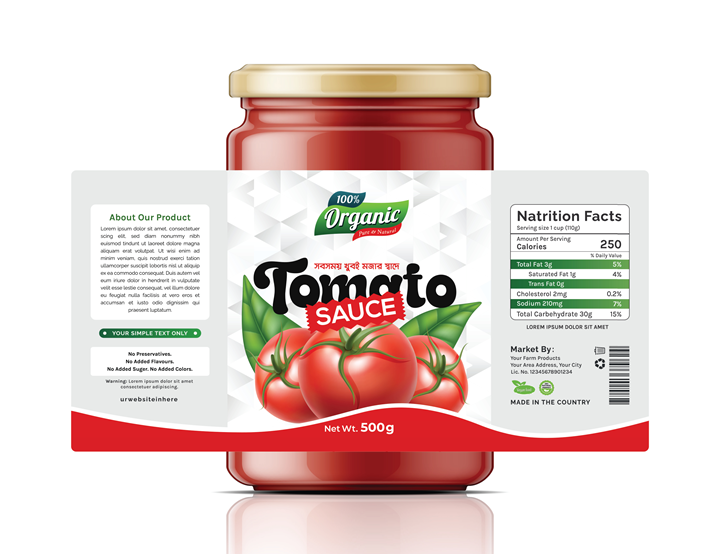
An MVP is like a raw sketch on a napkin, which can be a functional ticket to a billion dollars but is so fragile that it is waiting for its face, its voice, and a stage to showcase its brilliance. Turning a brilliant idea into something worth investors’ or customers’ time is half the process. Dressing it for the spotlight takes the other half of your time. That’s where design clashes with business strategy, and that’s why partnering with a Graphic Design Company in Bangalore can alter the trajectory of your launch in ways you don’t see until it’s too late.

Startups in Bangalore work fast in order to keep up with the buzzing of the city. The city spins in code, caffeine, and capital, where ideas bloom by the minute, but only a few rise. Why? Because people don’t buy features, they buy into stories, colors, and symbols that hook their senses. A brilliant MVP hidden behind poor branding is like a voice shouting into a storm.

Identity Early, or Regret Later

The temptation is obvious: “Let’s just push the product and fix the branding after.” But it will be too late to change once users’ perceptions stick. First impressions are really important where your competition is innumerable. A wobbly logo, clashing color palettes, or typography that looks borrowed from five different templates are more than enough to showcase inconsistency to the user than a bug-ridden feature ever will.

Work with a graphic design agency to stitch your identity into something cohesive before the first user signs up. A palette that breathes consistency. A type system that doesn’t falter. A visual handshake that feels firm, memorable, and impossible to confuse.

Beyond the Product: Sell the Vision

MVPs prove to the investors and potential customers “it works,” while branding proves “it matters.” Customers won’t line up because you coded an efficient solution; rather  they are here because you showed them a better tomorrow wrapped in a symbol they trust.

This is where design does its trick, starting with a logo that whispers ambition all the way to social visuals that repeat your promise without saying a word. A graphic design company is doing a lot more than just following a few guidelines. They translate raw ambition into a story people recognize instantly.

Consistency is Credibility

Think of your brand as a voice across different rooms. If it changes pitch with every door you open, you’ll sound like an amateur pretending to be a company. Consistency is one of the core factors that determines the level of credibility your customers assign to you.

The good news? Professional design teams know how to enforce this. They calibrate colors to ensure that the final print matches the screen, establish icon sets that feel aligned to your brand image, and train your brand’s tone to be recognizable whether it’s on a billboard or a push notification.

Systems That Grow With You

An extremely well-planned design system needs to incorporate a wide range of assets like product landing pages, investor slides, ad campaigns, onboarding kits, and maybe even merchandise. If your design system can’t stretch, you’ll be improvising every time a new need pops up.

That’s why a seasoned Creative Design Company builds systems, not just assets. They create libraries, templates, and structures that breathe with your growth. Suddenly, every new visual turns into an extension of what you already are.

Data is Design’s Silent Partner

Post-launch, the story changes as it is no longer about what you think looks good. It’s about what resonates with people, which can be identified through bounce rates, click-throughs, user heatmaps, and other metrics.

The smartest design firms don’t freeze at launch. They keep on refining, gaining insights from feedback, and reshaping visuals until your brand feels sharper. This constant cycle of repetition and refining is how good branding becomes great branding.

Trust: The Hardest Currency to Earn

Your MVP doesn’t suffer from obscurity as much as it suffers from skepticism. Customers eye new products with suspicion: “Is this real? Will they last? Should I risk my time?” The truth is your UI, your pitch deck, and your social posts answer those questions long before your features do.

A design agency helps you look like you belong. As within the MVP stage, customer perception can break or make your product or service. 

MVP to Market: The Flag You Raise

Launching is like raising a flag in a crowded square. Thousands of flags flutter, most ignored, some noticed, and a rare few followed. What separates them? Designing and branding, which are the silent signals of seriousness.

And this is where Honeycomb enters the frame. We’ve been that graphic design company that startups lean on when the stakes are high and the timelines tighter than they’d like to admit. We’ve helped raw ideas become polished identities, MVPs morph into recognized brands, and small sparks grow into market leaders.

If your MVP is ready for its audience but your branding isn’t, don’t wait another week.

Connect with Honeycomb Creative Support, your partner in making ideas visible, credible, and unforgettable.

Continue Reading

Some brands just look like they have it all together. The colours feel right. The ads stop you mid-scroll. The brochures make you want to keep them instead of tossing them.

That’s not luck. That’s design. And, yeah, design isn’t just “making things pretty.” It’s making things work.

I’ve seen it over and over. Real estate companies selling faster, fashion labels building cult followings, FMCG brands sticking in your head like that song you didn’t ask for but keep humming anyway. And almost always, there’s a design team making it happen quietly in the background.

If you’re in one of these industries, here’s where Graphic Design Services sneak in and make a difference.

Fashion: Where Design Meets Identity

Fashion is visual storytelling. Every season, you’re asking people to see themselves in your clothes.

Graphic design services help make that world believable. It creates an aspirational mood rather than just product shots.

  • The brand vibe
    Whether you’re going edgy streetwear or soft minimalist chic, your lookbooks, Instagram grids, and e-commerce product pages need to reflect that. If the tone is off, even slightly, it confuses customers.
  • Event promotions that actually work
    Think about fashion weeks, pop-up shops, seasonal sales. The posters, invites, online ads… they have to feel collectible, like part of the brand’s universe. That’s design doing its thing.
  • Fast turnarounds without losing quality
    Fashion moves quick. Seasons change, trends shift, stocks run out. A design team that can work at that speed while keeping quality high? That’s gold.

Why One-Off Designs Don’t Cut It

Here’s the thing: you can get a logo made once and think you’re set. But over time, if the rest of your visuals don’t keep up or worse, they’re all over the place, your brand starts looking tired.

Good design services aren’t a one-hit job. They build a system. Colors, fonts, image styles, and layouts, among other in line with your brand persona, so everything you put out feels like it’s coming from the same trusted source.

That’s why brands that invest in ongoing design support tend to feel more “together.” You notice it subconsciously.

When Design and Strategy Hold Hands

At Honeycomb Creative Support, we don’t just throw a pretty banner at you and call it a day. We connect design to your actual business goals.

Selling premium apartments? Your ads need a different visual tone than an affordable housing campaign. Launching a youth fashion line? You’ll need bold, fast-paced visuals, not muted luxury tones. Releasing a new FMCG flavor for the festive season? We think about shelf impact and digital buzz.

If you want to see how this looks in real campaigns, check out what we’ve done here: localhost/honeycomb/

Why This Matters More Now

People’s attention spans are shorter. Competition is louder. And your visuals are often the first and sometimes the only thing they interact with.

Whether you’re trying to sell a summer dress, or a chocolate bar, the design is part of the decision-making. Maybe not the only part. But a big part.

And when the visuals and the message line up perfectly? That’s when you get people to stop, look, and act. 

So Where Do You Go From Here?

You could piece together freelancers, keep sending last-minute design briefs, and hope it works out. Or you could have a team that knows your brand inside-out, keeps things consistent, and actually cares about whether the designs help you hit your goals.

We’ve been that team for fashion brands companies across India. We can be that for you, too.

If you’re ready to see your brand the way your customers should be seeing it, you know where to find us.

Continue Reading

If you’ve ever picked up a product just because the box looked too good to ignore, you already know the power of great packaging.

In a city like Bangalore, where brands are fighting for attention on shelves and in online carts, packaging design isn’t just about making things look pretty. It’s about telling a story, building trust, and making sure your product is the one people reach for without thinking twice.

So, if you’re searching for Product Packaging Design Company in Bangalore that doesn’t just ‘wrap’ your product but elevates it, here’s a look at five agencies that know how to make packaging work harder for your brand.

List of the top five packaging design agencies in Bangalore

1. Honeycomb Creative Support  

Let’s start with the one that’s not just in the business of design, but in the business of helping brands stand out. Honeycomb’s packaging design work blends creativity with practicality so that your packaging doesn’t just look amazing, it works for printing, shelf placement, unboxing, and even e-commerce thumbnails.

Why does it work?

Because the team understands that packaging is your silent salesperson. Before starting the packing design or any work for that matter, Honeycomb takes the time to learn about your product, your target audience, and your brand’s personality to deliver designs that attract, inform and convert.

Some of the strengths that make them stand out:

  • Brand consistency: your packaging will look like it belongs to your brand family, not a random cousin.
  • Shelf impact: bold, clear designs that pop in retail spaces.
  • Practicality: designs that work across materials, sizes, and formats.

If your packaging is due for an upgrade, you can explore our work at honeycombindia.net.

2. VGC (Vyas Giannetti Creative)

VGC is a well-known creative agency in India, and their Bangalore team delivers high-end brand and packaging design. They’re not your “quick turnaround” shop, they go deep into strategy, brand positioning, and long-term visual identity.

If you’re a premium or luxury brand and you want packaging that feels like an experience, VGC has the chops. They bring a mix of storytelling, cultural insight, and design discipline that ensures your product feels bigger than the box it’s in.

3. Litmus Branding 

Based out of multiple cities (including Bangalore), Litmus Branding works with a philosophy: “Sharpen the message, polish the look.” They offer package design in Bangalore for FMCG, lifestyle, and even niche B2B products.

Their approach often leans toward vibrant colour palettes, clever typography, and minimal clutter. If your brand is playful, youthful, and wants to connect emotionally with the customer, Litmus can be a good match.

4. Pink Lemonade 

Pink Lemonade is a Bangalore-based creative agency that seamlessly combines branding, design, digital marketing, and AI-driven insights to deliver standout work. While they’re best known for their branding and visual storytelling expertise, their capabilities also extend to packaging concept and design as part of a full-service creative offering.

What makes Pink Lemonade unique is its ability to craft vivid, narrative-led packaging that not only looks striking but also feels in tune with the digital-first world. Their approach is a blend of imagination and data-driven creativity, ensuring your product stands out on the shelf while being just as impactful in an online thumbnail. For brands looking to connect emotionally while staying relevant in the digital space, Pink Lemonade brings a refreshing, hybrid edge to packaging design.

5. Moshi Moshi 

Moshi Moshi is a Bangalore-based creative agency that has carved a niche among startups and youthful brands since its founding in 2014. Branding itself as a “communication company,” Moshi Moshi offers an all-in-one mix of services — branding, design, advertising, and digital marketing — making it a versatile partner for fast-growing businesses.

What sets Moshi Moshi apart is its youthful, bold, and playful approach to creativity. Their philosophy of “expect the extra” means they go beyond the obvious, adding surprising, share-worthy elements to campaigns and designs. From building visual identities to creating product packaging that resonates with Millennial and Gen Z audiences, Moshi Moshi has become a go-to partner for startups seeking relevance and impact.

Why Packaging Design Matters More Than Ever

It’s not just about “wrapping” anymore.

In crowded markets — think gourmet coffee, organic snacks, skincare — your packaging has to work twice as hard. It needs to:

  • Grab attention in less than 3 seconds.
  • Communicate your key selling points instantly.
  • Look good in person and in a tiny online thumbnail.
  • Build trust before someone even tries the product.

And in Bangalore’s competitive business ecosystem, your choice of package design in Bangalore can make the difference between being just another option and being the obvious choice.

If you’re thinking it’s time to rethink your packaging, Honeycomb can help you do it without breaking the bank. We blend award-winning creativity with real-world market insight. See our work at honeycombindia.net.

How to Choose the Right Packaging Design Agency in Bangalore

Not every agency will be the right fit for your brand. Here’s what to look for:

  1. Industry experience
    Do they understand your market and your audience? A great design for luxury perfume won’t necessarily work for organic tea.
  2. Practical know-how
    It’s not enough for packaging to look good, it has to meet printing requirements, material limitations, and sometimes even regulatory guidelines.
  3. Versatility
    Can they work across product lines, sizes, and brand styles? Your future self will thank you when you launch new SKUs.
  4. Collaboration style
    You want an agency that listens, challenges you in the right way, and delivers on time.
  5. Cost-effectiveness
    Big agencies might do stunning work, but if they take six months and blow your budget, you’ll be stuck. Look for value, not just price.

Where Honeycomb Fits In

Here’s the thing. You could go to a specialist packaging studio. Or you could work with a partner who understands your entire brand ecosystem, from packaging to web, video, social media, and even internal brand communication.

That’s where Honeycomb stands out. Our product packaging design services are backed by:

  • An award-winning creative team.
  • Quick-response client servicing.
  • 17+ years of experience in delivering for mid-sized to large brands.
  • Pricing that’s competitive without cutting corners.

In Bangalore’s dynamic market, great packaging design isn’t optional — it’s your first sales pitch. Whether you need packaging that excites on shelves or clicks online, Honeycomb Creative Support blends creativity with market insight to make your brand impossible to ignore.


Continue Reading

In the rapidly changing landscape of Direct-to-Consumer (D2C) brands, a good product is not enough. The experience, perception, and feelings encapsulated around your brand make all the difference—and that’s where Graphic Design Services become your unseen but influential sales force.

From the packages that arrive on doorsteps to the social media updates that define the brand identity, design creates first impressions. An experienced graphic design company doesn’t provide ‘pretty pictures’; it shapes the very language the brand communicates in before a single word is uttered.

Let’s look at how clever, strategic graphic design can power D2C sales and packaging looks, making your brand not just noticed but remembered and chosen time after time.

Why Graphic Design Is Non-Negotiable for D2C Success

The D2C model relies on a direct connection with the customer. So, brands must establish a strong relationship with their customers and potential customers across marketing channels. 

This is where expert graphic design services can take it to the next level. Professional graphic design guarantees that your brand reflects credibility, desirability, and consistency—the three things that make a customer decide to purchase and come back for more. 

1)Brand Recall & Recognition:

A unified visual identity is needed for a brand to flourish, as it makes your customers recognise your brand instantly amidst the noise. A dedicated graphic design company creates this consistency on all platforms, reinforcing your identity in the customer’s mind.

2) Channels that Convert:

D2C brands exist and perish based on their online presence. A well-thought-out website or a persuasive social post can be the difference between scrolling past and a sale. Which is why most D2C brands partner with graphic design companies to make UI/UX better in order to enhance customer experience.

3) Emotional Packaging That Sells:

Packaging is the initial physical touchpoint a customer has with a D2C brand. A great package is not simply a box—it’s an experience. It can inspire anticipation, trust, and a perception of quality that enhances the product within. Amazing packaging design not only inspires social media shares (hello, unboxing videos!) but also encourages repeat buys.

The Role of Graphic Design in D2C Packaging

Imagine receiving two products of similar quality—one arrives in generic packaging, while the other comes in a thoughtfully designed, aesthetically pleasing box. Which one feels more valuable? The answer is obvious, and D2C brands must leverage this psychological edge.

A skilled graphic design company dives deep into:

  • Material Psychology: Using textures, colours, and finishes that evoke luxury or eco-friendliness, depending on the brand ethos.
  • Brand Storytelling: Each box or label panel can act as a narrative vehicle to tell the brand’s story, mission, or eccentric personality.
  • Shelf Impact (even in e-commerce): For D2C brands venturing into physical retail or pop-ups, packaging design guarantees products stand out.

Beyond Packaging: Graphic Design as a Sales Catalyst

Graphic design does not end with just the package box. This is how D2C brands leverage it throughout the sales and marketing funnel:

  • Performance Marketing Creatives: Meta, Google, and other paid advertising require scroll-stopping visuals. A platform-aware graphic design company offering  design services knows the nuances to create high-performing ads.
  • Email Campaigns: With the help of graphic design services, one can easily deliver design-intensive emails with streamlined layouts, interactive elements, and compelling calls to action, which can dramatically boost open and conversion rates.
  • Social Media Presence: Persistent, colourful posts, reels, and story templates not only make the brand more attractive but also generate engagement and community.

Having every visual asset supported by a deliberate design strategy makes the storytelling of your brand cohesive, engaging, and business-savvy.

Why Hire a Professional Graphic Design Company?

Hiring a professional graphic design company to outsource means acquiring a creative ally who syncs design and business objectives. 

Seek out partners who provide:

  • Personalized Strategies: Not merely sleek graphics but design that is attuned to your audience’s tastes and habits.
  • Multichannel Expertise: From package to digital ad, a cohesive approach to design across touchpoints.
  • Collaborative Processes: Transparent feedback loops, accelerated iterations, and active consultation equal designs that connect.

At Honeycomb, we don’t simply offer graphic design services; we work closely with brands to get inside their DNA and turn that into effective designs that move the needle.

Partner with us, and let’s craft visuals that sell, engage, and elevate your brand.

Continue Reading

Let us say, you’re launching a luxury project. Could be anything, really — a high-end real estate brand, boutique hotel, fine dining restaurant, a swanky fashion label, maybe even an NFT art collective with a velvet-rope kind of vibe. The point is: you want it to look the part.

Luxury isn’t just a product or a service. It’s a feeling. And getting that feeling across? That’s where it gets tricky.

Because it’s not just about gold accents and serif fonts. It’s about restraint. Nuance. Cohesion. And it’s really easy to get it wrong.

That’s why a Design Agency can be your secret weapon.

Why a Design Agency Is Worth It When You’re Going Luxe

You could try doing it yourself. Maybe your cousin is decent with Photoshop. Maybe your team has a few Canva templates floating around. But the truth is, luxury demands finesse.

You can’t fake elegance. It has to be built in, from the way your brand logo breathes to how your typography pairs up on a mobile screen. It’s in the spacing, the tone, the materials you print on, the feel of your digital experience. Every detail counts.

A good Creative design agency doesn’t just give you pretty visuals. They bring intention. And for luxury, intention is everything.

Where Design Services Really Matter in a Luxury Launch

Let’s say you’re launching a boutique hospitality experience.

Your story starts the second someone lands on your Instagram. Or your website. Or holds your business card. If that story doesn’t say “exclusive, crafted, premium,” you’re already playing catch-up.

This is where full-stack Design Services come in — branding, website design, packaging, print, digital, maybe even spatial design if you’re building a physical space.

And when all of these things are done under one roof? That’s when the magic happens. Everything feels like it came from the same world. Which is exactly what you want with luxury.

How a Creative Design Agency Thinks Differently

A creative design agency isn’t just about execution. It’s about vision.

They’ll ask you hard questions. They’ll dig into your why. They’ll bring moodboards that surprise you, references you hadn’t thought of, and concepts that go beyond your initial Pinterest board. They’ll guide your tone of voice. Your photo direction. Your launch collateral. The stuff most people forget until it’s too late.

The result? A brand that doesn’t just look expensive but feels considered.

That’s what people pay for.

Real Talk: Budget vs Value

Luxury doesn’t come cheap. That’s true. But there’s a difference between spending and investing.

Trying to cut corners on your identity, visuals, and digital presence? It almost always shows. And in a market where your first impression is the sale, do you really want to risk it?

A strong design agency helps you avoid that. They spot blind spots. They steer you away from trends that will age badly. They build something that holds up, year after year.

And yes, you’ll probably pay more upfront. But the long-term payoff? That’s the part people don’t see until it’s too late.

When to Bring in Design Support

If you’re still figuring out your business model, wait. But the minute you start working on your go-to-market strategy? Loop in a team.

Even better if it’s a Creative Design Agency that’s handled luxury projects before. They’ll know the pitfalls. The expectations. The unspoken cues your audience is picking up on.

This kind of expertise can save you months of trial and error.

Where Honeycomb Fits In

If you’re looking for that kind of support, you’ll want a team that doesn’t just “get” design, but also gets business. And that’s where Honeycomb tends to shine.

They’ve worked across industries, from high-end lifestyle to tech to real estate. Their design services span branding, digital, video, and web. So instead of hiring five different people, you get one partner who actually sees the whole picture.

Their process is collaborative, honest, and refreshingly un-fluffy.

One Last Thing (Okay, Maybe Two)

Luxury isn’t loud. It’s not overdesigned. It doesn’t scream. It whispers.

If your brand wants to whisper the right things into the right ears, you need the right partner.

That’s what a great design agency like Honeycomb can do. They take your vision and give it shape, style, and restraint.

Find a team that respects your ambition. Then let them work their magic.


Continue Reading

If you walk into a co-working space in Bangalore, chances are you’ll spot a couple of EdTech founders huddled over a pitch deck, a UX flow, or maybe debating the shade of blue on their new app logo. It’s not surprising. Bangalore is bursting at the seams with EdTech startups, and honestly? It’s thrilling. But also a little chaotic.

EdTech is fast. Competitive. And everyone’s trying to do something different while racing against timelines, investors, and the next big update.

In the middle of all this? Graphic design.

You might not immediately think of design when you think of education tech. Maybe the first words that come to mind are “learning outcomes” or “content delivery” or “gamification” — all the techie, strategy-heavy stuff. But here’s the thing: good design is what holds it all together.

Let’s talk about what that actually looks like.

 Why EdTech Needs a Graphic Design Company Early On

Say you’re building an app to teach coding to kids. You’ve got the curriculum sorted. The backend is running smooth. But your interface? It looks like a spreadsheet had a meltdown.

That’s where a Graphic Design Company steps in.

Because you can’t just throw content at people anymore. Not when attention spans are thinner than a dosa. The way your app looks, how your dashboard feels, the icons you use, the way the loading screen animates – it all speaks. It either keeps someone engaged or nudges them away.

A strong visual identity doesn’t just look good. It builds trust.

And in EdTech? Trust is everything. Parents are trusting you with their kids’ learning. Students are trusting you with their time. Teachers are trusting that your product won’t make them pull their hair out.

So, when a startup partners with a graphic design company that gets this, you start seeing the difference. The branding feels more intentional. The social media doesn’t look like it was made in WordArt. The videos actually make you want to watch till the end.

That’s what design does. It translates your big idea into something people can actually connect with.

Graphic Design Services vs. Piecemeal Solutions

Here’s the catch though.

Most EdTech startups don’t have an in-house design team in their early stages. And hiring freelancers for every single project? Tiring. Inconsistent. Sometimes, downright risky.

This is where proper Graphic Design Services can be a game-changer.

I’m talking about a team that’s been around the block. One that doesn’t just push pixels around, but actually listens. Understands what the startup is trying to do. Asks questions like, “Who’s your learner?” or “Where does your content live most – app, web, print?”

Because the right design doesn’t just land up magically. It’s built. Layer by layer.

 How Graphic Design Shapes Brand Identity in EdTech

Take logos, for instance.

Yeah, it’s just a little symbol. But it sits everywhere – on your app, your YouTube intros, your certificates. It has to feel like you. Not just another round icon with a graduation cap.

Or think about pitch decks. Every EdTech founder has at least three versions on their desktop. A good design partner helps make those slides feel sharp. Cohesive. Not something stitched together five minutes before the call with investors.

And then there’s marketing.

Social media. Landing pages. Emailers. Banners for events. Google ads. It’s an endless loop. And everything needs to look aligned. On-brand. Clean. Scroll-stopping, if possible.

You see how Graphic design services become less of a luxury and more of a necessity.

 Design Alone Won’t Fix a Broken Product – But It Can Elevate a Great One

Design doesn’t solve everything. Let’s be honest. If your pedagogy is weak, or your tech keeps crashing, no amount of gradients and rounded fonts can save you.

But when everything else is in place, design is what makes people stay.

It’s what makes a student click one more lesson. A parent to trust your flyer. A teacher to recommend your platform. An investor say, “Looks sharp. Let’s talk.”

Especially in Bangalore’s hyper-saturated EdTech space, where 10 new startups are born every week, and maybe only 2 survive the year.

Having a strong design backbone can tip the scales.

 Finding the Right Graphic Design Company in Bangalore

So if you’re an EdTech startup founder sitting in Koramangala or HSR Layout or Whitefield, juggling a million things, maybe it’s time.

Find a graphic design agency that gets your journey. Like Honeycomb Creative Support,  who has been in the game for 17+ years and has been a tried, tested and trusted partner for corporates with a vision to make an impact in the society.

Not just the fonts and colors – but your mission. Your learners. Your hustle.

Because at the end of the day, design isn’t fluff. It’s not decoration. It’s how you show up in the world.

And in the education space, where the stakes are this high?

Showing up well might just make all the difference.


Continue Reading

Given the attention scarcity and overabundance of options in today’s world, relying solely on digital marketing will not bring effective results. Marketing is no longer simply about broadcasting a message — It revolves around telling a story in an engaging and appealing manner, providing a delightful user experience. Here is where Creative Design Agency comes handy, turning sponsored stories into arresting animations.

The importance of having this type of design partner touches everyone from the startup entrepreneur sprinting to his immensely-awaited launch, through the corporate comms manager nurturing internal voices, or even up to the B2B marketing director who juggles 20 stakeholder (unrealistic) expectations at once. Here, we will showcase how creative design agencies utilize impact driven designs along with advanced visual65 storytelling coupled with unparalleled creativity in order to augment the efficacy of digital marketing campaigns.

What Is a Creative Design Agency?

A Creative Design Agency isn’t simply a graphic design vendor. A design agency combines art and commerce, helping sculpt the perception of your brand and how it communicates and engages in the digital space. From cohesive brand identities to captivating video content, their involvement is far from superficial.

They deliver:

  • Branding narrative architecture through visual communication design, UI/UX, and content creation 
  • Transformative branding with integrated business strategies
  • Design with impact across scales: print, digital, motion graphics 

At their best, creative agencies are your partners. They combine creativity with strategy to solve complex marketing and communication problems driving your success.

Why Digital Marketing’s Secret Ingredient Is Creative Design

Design is your armor in the battlefield of impressions that is digital marketing. Any campaign’s skeleton is made out of data, analytics, and targeting, but its soul is formed by creative design. This is the reason:

1) Initial Thoughts Are According to visual

Research, consumers judge a brand’s credibility based solely on its design in 0.05 seconds. A badly designed asset, such as your website, ad banner, or LinkedIn post, can immediately erode confidence.

2) Engagement Metrics Affected by Design

Conversion rates, time on site, and click-through rates are all increased by well-designed content. If a call-to-action is visually obscured or inconsistent with the tone of the brand, it loses its impact.

3) Recognition Is Increased by Consistency

For startups looking to look “bigger” than they actually are or B2B businesses wanting to gain the trust of stakeholders, a creative agency guarantees visual consistency across platforms.

6 Core Ways a Creative Design Agency Powers Digital Marketing

Let’s examine how a creative design firm might support your digital strategy’s expansion.

1) Development of a Strategic Brand Identity

A brand is more than a logo. Color, font, voice, and images all work together to tell a dynamic, ever-changing story. In order to identify and improve a brand’s DNA—not just its appearance, but also its meaning—creative design firms work in tandem with stakeholders.

For the head of B2B marketing, this guarantees that campaigns are consistent across touchpoints and can safely address stakeholders in the boardroom.

For the startup founder, it’s about developing a launch-ready brand that stands out and attracts early investors and clients.

2) Creating Digital Campaigns for Multiple Platforms

A creative agency produces customized materials that are optimized for each digital platform, including social media postings, digital advertisements, emailers, and microsites. More significantly, though, they make sure that every component maintains both thematic and visual consistency while working towards a major point.

Impact: By avoiding the “patchwork” appearance that detracts from many marketing initiatives, this improves campaign quality and memory.

3) Superior Motion Graphics and Video

The most captivating digital format is still video, but badly done graphics can backfire. For internal communications teams and time-sensitive marketing campaigns, a creative agency’s storyboard experience, branding sensitivity, and quick AV turnarounds are very important.

Managers of corporate communications gain from:

  • Videos of executive interviews that make leadership more relatable
  • Explainers with animation that make difficult subjects simple
  • Campaigns for internal engagement with a cinematic touch

4) Converting Website and UI/UX Design

A creative design firm is aware that a brand’s website serves as its online headquarters. It must not only look attractive but also work smoothly, convey information clearly, and motivate action.

Here, the creator meets Sage: Strategic thought meets aesthetic beauty. Every pixel, from user journeys to micro-interactions, is purposefully designed to increase dwell time, decrease bounce, and increase lead generation.

5) Quick-Turnaround Growth Marketing Creatives

Speed is a must for agile marketing teams and businesses. Agile design pods enable creative agencies to produce work quickly without compromising quality. Consider timely, in-brand presentations, pitch decks, landing sites, and social media creatives that have undergone A/B testing.

This is especially relevant for:

  • VC-backed founders trying to hit aggressive growth targets
  • Marketers under pressure to deliver campaigns without delays

6) Advisory & Creative Consultation

Top-tier firms serve as creative advisors in addition to execution. They aid in locating storytelling opportunities, offer platform-specific tactics, and direct the repurposing of material to increase return on investment.

The Sage archetype excels in this situation, establishing the agency as a reliable partner directing brand development rather than merely a seller.

The Major Advantage of Working with a Creative Design Firm

Conserves Internal Bandwidth and Time

Founders and marketers frequently balance several responsibilities. By streamlining manufacturing, a design agency frees up internal teams to concentrate on strategy and execution.

Enhances Perception of the Brand

Perception is shaped by design. Visual elegance sets the tone whether you’re attempting to raise money, keep consumers, or draw in talent.

Increases Campaign Return on Investment

All downstream metrics, including clicks, shares, sign-ups, and purchases, are enhanced by well-designed content. It is a force multiplier rather than a cost center.

Helps You Stay Ahead of Fashion

A seasoned firm helps you take advantage of trends before they become popular, keeping your brand current and fresh with AI-generated images and interactive design solutions.

Example from the Real World: How Design Produces Outcomes

Consider the introduction of a new SaaS product by a mid-sized software company.

Situation in Which There Is No Creative Design Agency:

  • Inconsistent branding throughout social media advertisements and landing pages
  • The investor deck is visually weak.
  • Email campaigns with inconsistent tones

Situation Using a Creative Design Firm:

  • Consistent visual language throughout all resources
  • CTAs and a clear messaging hierarchy
  • Excellent video demonstration for the launch of a product
  • Create systems that allow for quicker rollouts.

As a result, investor input is more robust, the campaign receives 30% more engagement, and the time to launch is shortened by 40%.

How to Pick the Best Agency for Creative Design

Not every agency is made equally. Seek out one that:

  • Recognizes the context of your business, not just design trends.
  • provides competence in print, digital, and video formats.
  • possesses a track record of success in your field.
  • puts cooperation and consultation first.
  • fits the tone and values of your brand.

The unique combination of creative quality and consultative thinking that makes design a strategic growth lever makes agencies like Honeycomb Creative stand out.

Digital Success Is Catalyzed by Creative Design

Content is plenty in the constantly changing digital landscape, but originality is limited. Because of this, working with a creative design agency is now essential rather than optional. Working with the proper agency improves your performance in addition to your appearance, from visual narrative to large-scale execution.

Creative design is the main course, not the garnish, for brands that want to stand out, expand more quickly, and communicate effectively and impactfully.

Searching for a design collaborator who blends creativity and wisdom?

At Honeycomb Creative, we solve problems in addition to designing. Together, let’s build your next great achievement.

Continue Reading

Annual reports have evolved into strategic narrative tools that depict a company’s culture, goals, and performance in a world that is becoming more and more visual-first. As 2025 approaches, the standards for annual report design have changed from conformance to artistic quality. Being ahead of these trends will provide your brand more influence, credibility, and change, regardless of your experience level as a corporate communications lead, seasoned B2B marketing director, or aspirational startup founder.

The top Annual Report Design trends for 2025 are examined in detail here; each is intended to engage stakeholders, promote involvement, and establish your company as a progressive leader.

1) Data Storytelling: Transforming Data into Stories

Revenue, growth, and performance measurements have traditionally been the focus of annual reports. Those figures will still be significant in 2025, but the way you display them will be more important.

Why It Matters :-  Detailed tables and generic bar charts bore investors and decision-makers. Data is now being rethought as tales instead, with visual narratives that emphasize impact, accomplishments, and growth paths.

Design Strategies to Keep an Eye on

  • Infographics with a narrative flow
  • Digital reports with interactive charts
  • Microanimations to draw attention to important events or trends
  • Performance dashboards with a “Instagram story” aesthetic for easy scanning

Effects

  • Strengthens your strategic positioning 
  • Increases comprehension
  • Fosters trust.

2) Layouts Driven by Editorials and Using Magazine Style

Editorial-inspired annual report designs are becoming more popular in 2025. Consider using full-bleed photos, tasteful type, and thoughtfully placed white space to evoke the refinement of upscale magazines.

The Significance of It:

This method gives narrative dimension and humanizes data-heavy content. It fits in perfectly with brands who want to show not only what they did, but also why it was important.

Design Strategies to Keep an Eye on

  • Modern sans-serifs combined with serif display typefaces
  • Hero spreads for brand accomplishments or CEO statements
  • Thematic picture essays, tale chapters, & pull quotes.  

It Speaks To – Corporate communications leaders that want to use design that speaks loudly to humanize leadership and enhance reputation.

3) Customization and Reports Focused on Stakeholders

It is no longer the norm to use a single PDF for everyone. By 2025, businesses will have segmented audiences in mind while creating reports.

The Significance of It

Different indicators are important to different stakeholders. Profitability is what investors desire; culture and leadership are important to employees; and regulators want clarity on compliance.

Design Strategies to Keep an Eye on

  • Personalized content blocks for perspectives of customers, employees, and investors
  • Intelligent screening in electronic reports
  • Cover pages that are micro-personalized for key stakeholders, particularly in investor relations

Result

  • Increased involvement
  • Loyalty of stakeholders
  • Focused narrative

4) The Visual Language of Sustainability

Environmental, social, and governance, or ESG, reporting is now the main body of contemporary annual reports rather than a separate segment.

The Significance of It

Nowadays, audiences closely examine sustainability as a component of a brand’s mission. ESG reporting will be firmly ingrained in annual reports’ visual design by 2025.

Design Strategies to Keep an Eye on

  • Earthy color schemes and organic textures
  • Impact images (saving energy, saving lives, reforestation)
  • Using circular design metaphors to illustrate closed-loop techniques and renewable cycles

Ideal for –  founders and marketing directors who want to appeal to both conscious consumers and investor sensitivities.

5) Digital-First & Interactive Reporting

Although print is still used, digital-first formats are becoming more popular. Annual reports from 2025 will increasingly be created for screens rather than paper.

The Significance of It

Reports must have fluid formats that are both aesthetically pleasing and useful on all devices in order to be accessible, interactive, and mobile.

Design Strategies to Keep an Eye on

  • Storytelling using scrolling (horizontal and parallax scrolls)
  • Motion infographics and short videos
  • Audio narration and voiceovers for leadership messaging
  • Real-time report interaction engagement metrics

Bonus: Forward-thinking businesses are creating microsites with media-rich features just for their annual reports.

6) AI-Powered Layouts and Images

AI in design aims to enhance creativity rather than replace it. By 2025, companies are using AI to expedite visualization, customization, and ideation.

The Significance of It

It pushes the frontiers of creativity while enabling design teams to devote more time to strategy and less to mundane tasks.

Design Strategies to Keep an Eye on

  • AI-generated cover art that embodies the essence of your brand
  • Predictive layout algorithms for publishing in several formats
  • Infographics with AI support that adjust to real-time data

Audits of brand tones with generative AI Creator plus Sage Moment: Don’t dominate, but enhance with AI. Include it in the workflow of the report, not simply the graphics.

7) Representation in Visual Storytelling Driven by Diversity

Loyalty and hearts are won by inclusive brands. These days, annual reports use visual awareness to emphasize community activities, inclusive environments, and employee voices.

The Significance of It

This is about accurately portraying your complete ecosystem, not simply about exhibiting diversity.

Design Strategies to Keep an Eye on

  • Quote profiles and employee illustrations
  • Real, independent photography
  • Capsules of multilingual content
  • Design with an emphasis on accessibility (contrast, screen reader compliance)

Effects

  • Creates culture
  • Makes your brand more relatable
  • Demonstrates leadership that is motivated by values

8) Fonts That Speak Business

Fonts influence perception in addition to conveying words. Brands are spending money on typefaces that quietly convey their individuality in 2025.

The Significance of It – Typography, whether aggressive, elegant, experimental, or subtle, establishes the report’s emotional tone.

Design Strategies to Keep an Eye on

  • Fonts that change according to the screen or device
  • Personalized fonts for a brand’s signature
  • Font combinations that inspire confidence, hope, and creativity

Advice from Sage: Don’t overdo it. Make sure your selections are clear, readable, and consistent with your brand.

9) Micro-Content: Summary Snapshots’ Ascent

A sixty-page report is not read by everyone. Bite-sized content formats are therefore essential in 2025.

The Significance of It

Stakeholders with busy schedules want the future, the victory, and the gist quickly.

Design Strategies to Keep an Eye on

  • Executive summaries of one page, “Year in review” reels, or animated films
  • Instagram and LinkedIn carousel posts
  • Visual highlights for investor decks that may be shared

Ideal for agile teams and startup founders who have to make an impression on stakeholders in a matter of seconds rather than minutes.

10) Design Systems Integrated with Brands

A fragmented report damages your reputation. In 2025, expanding your visual identity across every aspect of the report is crucial for a smooth brand integration.

The Significance of It

Credibility is increased by cohesiveness. Additionally, it increases remember and confidence when your annual report is consistent with your brand.

Design Strategies to Keep an Eye on

  • Templates for reports that adhere to brand standards
  • Icons that align with campaign and online systems
  • Design thinking across channels (website ↔ report ↔ pitch decks)

ROI-Oriented Result

  • improves the evolution of a brand
  • increases the effectiveness of design
  • strengthens brand recognition across platforms.

The Significance of These Trends

Your annual report is a flagship brand asset in 2025, not merely a legal requirement.

When done correctly, it can:

  • Involve investors
  • Motivate staff
  • Gain clients
  • Encourage media narratives

For marketing leaders, it’s about using design to demonstrate a steady return on investment.

For the founders of startups, it’s a disguised pitch.

It is a storytelling tool that humanizes leadership for corporate communications teams.

Continue Reading

Sustainability reports are now effective storytelling tools in a world where stakeholders want transparency and brands compete on values rather than just price. However, merely presenting data and targets is insufficient. The actual difficulty? creating a sustainability report that influences as well as informs.

In order to establish credibility, inspire trust, and accurately represent a brand’s mission, a high-impact sustainability report design combines strategic communication, creative excellence, and visual storytelling. We’ll dissect the essential components that turn your ESG story from a legal necessity to a game-changing brand asset in this guide.

1) Strategic Visual Storytelling: Designing for Impact

Great sustainability report design starts with forming a definite story arc. Report should not just give numbers from climate metrics to diversity goals; it should give the meaning and discuss what consequently changes.

Design-wise, this takes the form of:

  • Thematic storytelling with section-based narrative (e.g. “People,” “Planet,” “Progress”);
  • Visual hierarchy guiding the reader through data, stories, and outcomes; 
  • Acting as heroes to these stories for real impacts-employee actions, community outcomes, and innovation in action.

A successful report design is not decoration; it is direction. It structures complex content and leads the reader through your brand’s sustainability journey.

2) Brand-Driven Consistency in Design

Your sustainability report is an extension of your brand’s identity. As much as your website or packaging, it should look, feel, and sound like an undeniable incubator of your brand.

Principal visual branding elements to secure:

  • Use of brand colors and fonts in a consistent manner
  • The illustration style or iconography that resonates with your overarching design system
  • Photography that remains human, authentic, and genuinely aligned to your cause

When design elements echo your larger brand universe, your report becomes more than a document—it becomes a strategic brand statement.

3) Data Visualization That Speaks Volumes

Sustainability is always about measures. Emissions, waste, energy use, diversity ratio, everything! And rightly so. But unattractive raw data can never inspire an individual unless translated into intuitively simple visuals.

Design-inspired storytelling with data includes:

  • Infographics knitting together multiple data points
  • Dynamic charts featuring a consistent visual language throughout
  • Icons or pictograms reinforcing the KPIs
  • Comparative visuals demonstrating achievements over time

The big idea: clarity and emotion. Let data be grasped instantly and fester in the heart.

4) Content Structure Built Around User Behavior

Walking from one end of a 100-plus-page sustainability report is not everybody’s cup of tea. Some skim through for highlights while others rummage deeply for certain disclosures. UX think-tanking is thus important–even in PDFs. 

The Best:

  • Executive summary right on the front with high-level wins
  • Navigation, hyperlinked, for digital versions
  • Breakout boxes with key stats or success stories
  • Modular sections that stand on their own while being cohesively connected to one another

Remember, the more free-flowing the experience, the more likely the stakeholders shall engage with your message.

5) Interactivity and Accessibility for Digital Formats

Reports produced in the digital space imply new horizons for creativity—whether it is interactive-microsite designs or animated PDFs. Yet, this goes straight into the prosecutor’s office for demanding usability and inclusivity.

Interactivity considered for a high-impact digital experience:

  • Clickable menus and section links
  • Alt text for all visuals
  • Readable fonts and color contrast compliant with WCAG standards
  • A mobile-optimized layout; an alternate responsive version of the site

Uncharted waters are more detrimental than handsome looks; accessibility must be there for investors, partners, regulators, and the public.

6) Emotionally Powerful Creative

People remember stories, not spreadsheets. Every strong sustainability report appeals to empathy and inspiration, far beyond just ESG criteria.

How to peacefully combine art and meaning:

  • Photo essays depicting real-world impact scenarios
  • Quotes from employees or community members
  • Custom illustrations with cultural or regional relevance
  • Motion graphics explaining complex concepts

Here is where the Creator does well for your brand: creating emotional responses and kick-starting connections through the power of design.

7) Designing for ESG Standards Brings Creativity and Compliance Together

Not to be overlooked is the technical foundation. Frameworks such as GRI, SASB, TCFD, or BRSR must be followed in your report. Here’s the chance, though: rather than allowing these frameworks to stifle your imagination, make use of them to craft a clever, well-organized story.

Strategies to match reporting standards with design:

  • Indicate clearly which disclosures apply to certain requirements.
  • Metrics and performance indicators should be formatted consistently.
  • Pullouts or sidebars for notes, boundaries, or methods

This is The Sage in action: credibility depends on clarity and structure. However, creativity makes everything come to life.

8) The Timeline and Procedure That Make Excellence Possible

It takes time to create a compelling sustainability report. It demands early coordination between data owners, copywriters, and designers. Templated outputs are the result of a strict deadline. Transformation is unlocked by a deliberate procedure.

The optimal method for design:

  • Start with stakeholder alignment in Q3
  • Co-create a storytelling framework
  • Design in tandem with content development
  • Iterate based on board and legal reviews
  • Complete the accessibility and quality assurance audits.

Astute brands are aware that the process is a component of the final result. Build timelines that reflect the ambition of the tale you wish to convey.

9) Synergy between Print and Digital

Boardrooms, investor decks, and yearly events continue to use sustainability reports. Both print quality and digital flexibility are taken into account in a high-impact design.

How this appears:

  • CMYK-safe color schemes and high-quality print images
  • Formats that can be altered (such as A4 + digital widescreen layout)
  • QR codes that connect digital and print versions
  • Video teasers or interactive summary presentations for launches

You can improve reach and return on investment by designing for multi-channel resonance.

10) Launch Strategy: Put More Work Into Your Report

Unread reports are worthless, no matter how well-designed they are. The report should be handled as a campaign rather than a compliance file in your launch and promotion strategy.

Clever amplification concepts:

  • Animations or short films that provide a summary of the report
  • Carousels on social media that showcase important statistics
  • Sending stakeholders a series of emails that drip-feed each component
  • LinkedIn leadership posts with compelling points of view
  • Investor slideshows containing report design excerpts

Your effort in design should pay off in terms of visibility. Create a buzz. Create leads. Encourage dialogue.

Your Report in a New Way

Reporting on sustainability is more than just checking boxes. When executed well, it is your brand’s most potent instrument for bringing about change, gaining credibility, and making an impression in a world that is becoming more and more values-driven.

At Honeycomb  , we combine strategic thought with creative quality to create sustainability reports that transform rather than just educate. We assist you in moving from complexity to clarity, data to design, and story to impact, whether you’re a corporate communications lead overseeing brand reputation, a startup founder seeking investor trust, or a B2B marketing director seeking return on investment from design.

Let’s Discuss Designing Sustainability Reports

Do you want to make your upcoming ESG report a landmark event for your brand? Give Honeycomb  a call. We are your impact design partners.

Together, let’s produce something meaningful.

Continue Reading

A Graphic Design Agency is more than just a creative supplier in a market where companies vie on the basis of their ability to tell stories visually. It is a strategic partner. However, without a purposeful, well-coordinated growth strategy, even the most gifted design studios may find it difficult to grow their clientele.

We at Honeycomb Creative are aware that growing a clientele involves more than just cold calling and generic advertising. Every successful visual agency is built on a foundation of consultative foresight and creative excellence.

We’ll go into detail about five tried-and-true, doable tactics in this post that will help you expand your clientele, increase your search engine visibility, draw in better quality leads, and establish your agency as a vital creative partner.

1) Clearly define and present a value proposition that is impact-driven.

Why it’s important: The positioning of your agency is more than just a tagline; it’s your brand’s pledge to creatively and clearly address a particular issue.

A lot of design firms are lost in the sea of attractive mockups and portfolios. Those that succeed explain their special value in terms that matter to their audience: transformation, consistency, and results.

Steps to Take: 

  • Match each persona with your message. B2B marketing heads should concentrate on stakeholder impact and campaign ROI. Emphasize agility and investor-ready design for startup founders. Prioritize reputation building and storytelling in corporate communications.
  • Don’t just focus on appearances. Include case studies of clients that show the branding outcomes before and after. Consider metrics rather than mood boards.
  • Update your site’s hero section. Clarify in one line what kind of brands you serve, what problems you solve, and how your creative strategy delivers transformation.

Example:

Instead of:

“We create stunning logos and websites.”

Try:

“Helping ambitious brands grow through strategic design and high-impact visual storytelling.”

2) Use Niche-Specific Content Marketing to Develop Thought Leadership

Why is it important?

Trust builds visibility. Visibility brings inquiries.

Your potential clients are searching for dependable creative advisors, not just designers. In addition to raising your SEO rankings, consistently releasing strategic content positions your agency as an authority in your field.

Steps to Take:

Start a content calendar with a focus on LinkedIn carousels, case studies, or high-value blog entries. Give priority to subjects such as:

  • How to match sales objectives with design
  • Investor decks with visual storytelling
  • Issues with internal communication branding

To show up in AI Overviews and conventional search, naturally incorporate primary keywords such as “graphic design agency,” “brand storytelling,” and “creative partner” throughout your content.

Utilize content on LinkedIn, Instagram Reels, and YouTube for behind-the-scenes Video Production and quick design advice.

Bonus Tip:

Collaborate with your clients for co-branded case studies. It boosts your credibility and theirs—while giving you content assets to drive inbound interest.

3) Provide a Smooth, Reliable Digital Experience

Why it’s important: The first thirty seconds of looking at your website or portfolio are frequently when someone decides to hire a graphic design firm.

Your website, pitch decks, and social media presence should all demonstrate the same level of professionalism and creative clarity that you guarantee your clients.

Steps to Take: 

  • Redesign the user experience of your website with an emphasis on mobile responsiveness, clarity, and navigation. Consider a simple layout, quick loading times, and scannable proof points.
  • Make extensive use of client logos and testimonial videos. Bonus points for including quotes from real customers that relate to the problems that your personas are facing.
  • Provide high-quality, free resources such as campaign templates, creative checklists, and downloadable brand audits. These tools show off your process-driven creativity while producing leads.
  • Provide high-quality, free resources such as campaign templates, creative checklists, and downloadable brand audits. These tools show off your process-driven creativity while producing leads.
  • Include a “Who We Help” section that is specific to your three main personas: communications managers, startup founders, and marketing heads. Add your design-led solutions along with their particular problems.

Quick Fixes: 

  • Eliminate language that is laden with jargon.
  • Make sure each call to action (CTA) relates to customer outcomes: “Transform My Brand,” not “Contact Us.”
  • Use schema markup to increase SEO visibility in rich results.

4) Create Strategic Alliances to Encourage Cross-Referrals

Why it’s important:

Some of the best leads come from referrals, particularly in the professional services industry.

Develop profitable alliances with complementary companies that already cater to your ideal clientele rather than depending only on inbound marketing.

Possible Colleagues: 

  • Internet marketing firms : Provide branding and campaign design execution.
  • PR & Communication Firms: Manage leadership AVs and visual storytelling.
  • Startup Accelerators: Serve as their preferred design team for launch branding and pitch decks.
  • Platforms for events and webinars: Provide artistic assistance for presentations, branding, and online events.

Steps to Take: 

  • Put together a partner kit that includes an overview of your offerings, previous projects, and co-branded deals.
  • Organize collaborative panels or webinars to promote both brands and create leads.
  • Offer reciprocal referral incentives that reward partners for every closed client they send your way.

5) Develop Your Creative Precision in LinkedIn Outreach

Why it’s important: Decisions are made on LinkedIn, particularly by corporate communications and B2B marketing heads.

However, cold messaging by itself won’t win people over. Instead, generate conversations naturally by using personalized value and targeted content.

Steps to Take:

  • Make sure your team’s LinkedIn profiles are optimized to highlight their roles within the agency, the client issues they resolve, and a link to case studies or design showcases.
  • Create lists of decision-makers by using LinkedIn search filters. Pay attention to job titles such as:
  • Marketing Head
  • Manager of Communications
  • Brand Manager
  • Founder of a Startup
  • Before you pitch, get involved. Instead of making a generic sales pitch, DM them with contextually valuable links (such as your blog or portfolio), leave thoughtful comments on their posts, and share pertinent insights.
  • Make use of LinkedIn articles or newsletters. You can establish yourself as the preferred creative partner for steady brand impact by sending out a monthly “Visual Strategy Memo.”

Bonus: Spend money on AV showcases and video case studies.

Video is the language of contemporary storytelling and is no longer optional. Excellent founder testimonials, explainer videos, or brand showcases help decision-makers who are pressed for time see the impact of your agency more clearly.

Important Video Types to Take Into Account:

  • Design walkthroughs before and after
  • Interviews with founders outlining the design process
  • Voiceovers from clients explaining campaign outcomes
  • Animated films that summarize difficult communications issues

Share these resources on YouTube, incorporate them into your website, and utilize snippets for LinkedIn posts and reels.

Innovation and Strategy Work Together

Growing your graphic design business isn’t about following up on every lead; rather, it’s about drawing in the right customers with a compelling message, a reliable online presence, and a track record of successful designs.

These tactics will keep your pipeline full and your portfolio prepared for the future, whether you’re creating brand kits for a disruptive fintech startup or internal communications films for a Fortune 500 company.

Are You Prepared to Use Strategy and Narration to Scale?

We do more than just design at Honeycomb. We help ambitious companies overcome their most difficult branding and communication problems by transforming brands through creative consulting and visual clarity.

To learn how we can work together to improve your brand, schedule a free design discovery session now.

Continue Reading

WhatsApp