Home / Blogs / How to Choose the Right Packaging Design for Your Product Category

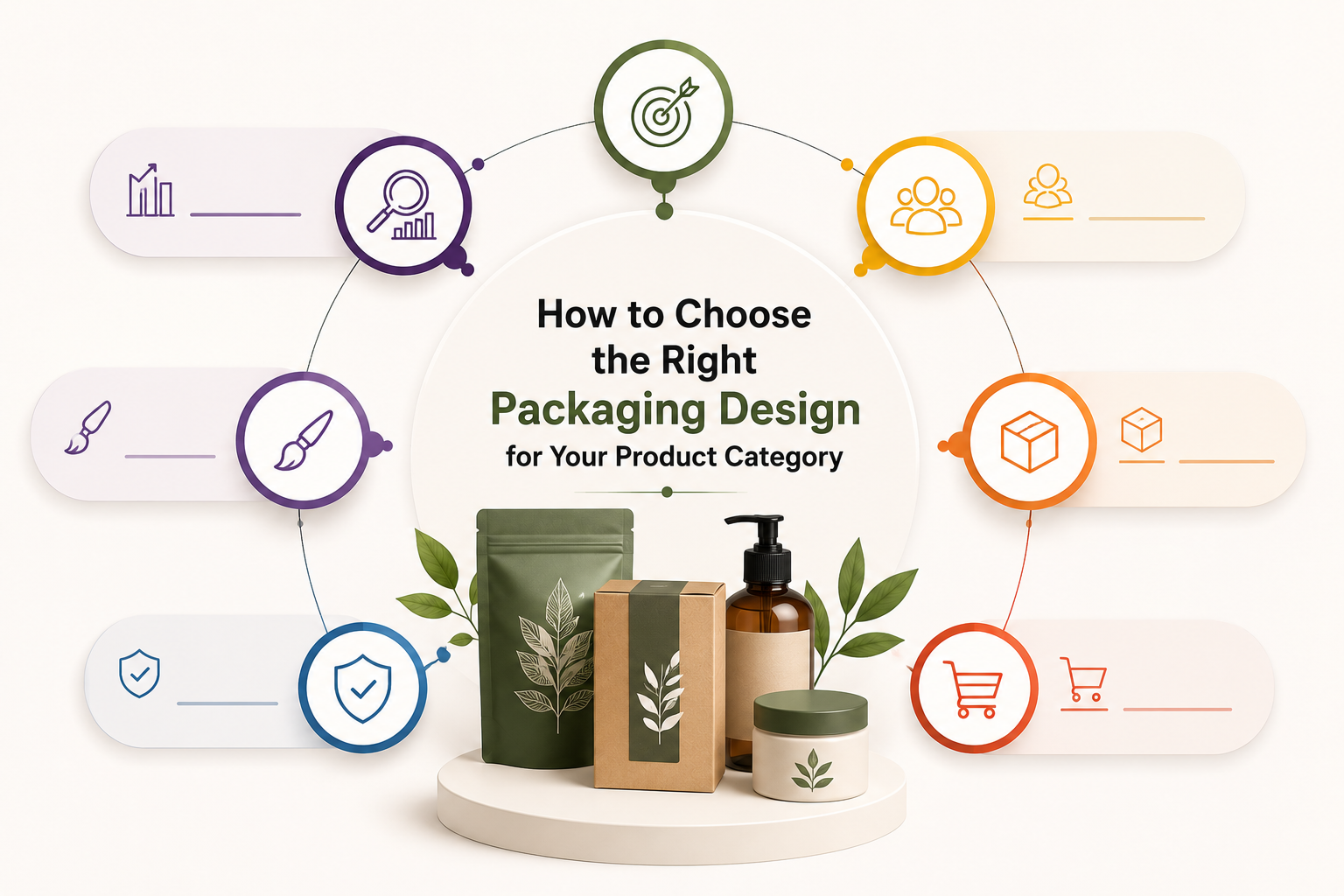
Packaging is often the first interaction customers have with a product. Before they understand the ingredients, features, or benefits, they notice the packaging. The colors, structure, materials, and overall presentation influence how they perceive the brand and whether they choose to explore the product further. However, effective packaging is not about creating the most visually attractive design. The right packaging needs to match the product category, target audience, usage requirements, and brand positioning. A luxury product, a healthcare product, and a food item all communicate differently. Using the same design approach across categories can make a product feel disconnected from its audience.

This is why choosing the right Product Packaging Design strategy is essential for building recognition, trust, and market impact.

Understand Your Product Category First


Every product category has its own customer expectations. Before starting the design process, brands need to understand what customers look for when making purchase decisions. For example:

  • Food packaging often focuses on freshness, appetite appeal, and convenience.
  • Skincare packaging emphasizes quality, trust, and premium experiences.
  • Healthcare packaging requires clarity, accuracy, and credibility.
  • Technology packaging often highlights innovation and simplicity.

A successful packaging approach begins by understanding what matters most to customers within that category. Design should support customer expectations while helping the product stand apart.

Consider Your Target Audience


Packaging should always be designed for the people who will use or buy the product. Understanding your audience helps determine:

  • Visual style
  • Color choices
  • Typography
  • Messaging
  • Packaging format

A product targeted toward young consumers may benefit from bold visuals and expressive designs, while a premium business product may require a more minimal and sophisticated approach. Good packaging does not try to appeal to everyone. It speaks clearly to the right audience.

Choose Colors That Match Brand Perception


Colors play a major role in how customers interpret products. Different colors create different associations:

  • Green often communicates natural or sustainable qualities.
  • Blue can represent trust and reliability.
  • Black is often associated with luxury and premium positioning.
  • Bright colors may suggest energy and accessibility.

The right color palette depends on both the product category and the brand personality. A thoughtful Product Packaging Design approach uses colors strategically rather than selecting them only because they look attractive.

Also checkout : How Product Packaging Design Influences Buying Decisions

Balance Visual Appeal With Product Information


Packaging needs to attract attention, but it also needs to communicate clearly. Customers should quickly understand:

  • What the product is
  • What benefits it provides
  • How it is different
  • Why they should choose it

Overloading packaging with too much information can create confusion. At the same time, removing important details can reduce customer confidence. The best packaging creates a balance between visual impact and useful information.

Select the Right Packaging Structure and Material


The physical design of packaging is just as important as the visuals. Brands need to consider:

  • Product protection
  • Storage requirements
  • Transportation
  • Sustainability goals
  • Customer convenience

For example, fragile products may require stronger structures, while everyday products may benefit from lightweight and practical packaging. As discussed in our Complete Guide to Product Packaging Design, selecting the right materials and packaging structure is crucial for ensuring product safety, functionality, and customer satisfaction. Materials also influence brand perception. Sustainable materials can strengthen environmental positioning, while premium finishes can create a luxury experience.

Study Competitors Without Copying Them


Understanding competitor packaging helps identify opportunities for differentiation. Brands should analyze:

  • Common design patterns
  • Market expectations
  • Visual trends
  • Customer preferences

However, copying competitor designs can make a product blend into the same category instead of standing out. The goal is to understand the market and find a unique visual position within it.

Think About Online and Offline Experiences


Modern products exist in both physical stores and digital marketplaces. Packaging needs to perform well across:

  • Retail shelves
  • E-commerce platforms
  • Social media content
  • Product photography
  • Digital advertisements

A design that looks impressive in a store should also remain recognizable when viewed as a small online image. Digital visibility has become an important part of modern packaging strategy.

Align Packaging With Brand Growth


Packaging should support the future of the business. A good design system allows brands to:

  • Launch new products
  • Expand product ranges
  • Enter new markets
  • Maintain brand consistency

Instead of creating isolated designs for individual products, businesses should build packaging systems that can grow with them.

Why Professional Packaging Expertise Matters


Choosing the right packaging approach requires a combination of creativity, market understanding, and strategic thinking. A professional design team considers the product category, customer behavior, competition, and brand goals before creating the final direction. The objective is not just to make packaging look good. It is to create packaging that communicates value and supports business growth.

Conclusion


The right Product Packaging Design depends on understanding the product, the audience, and the market environment.

From choosing the right colors and materials to creating a strong shelf presence, every decision influences how customers perceive and remember a brand.

Effective packaging does not simply contain a product. It creates recognition, builds trust, and helps customers make confident purchase decisions.

Because in a crowded marketplace, the package is often the first reason a customer stops, looks, and chooses.

Post Views: 17
Tags
Product Packaging Design

Continue Reading

Home / Blogs / Complete Guide to Product Packaging Design – From Concept to Shelf Impact

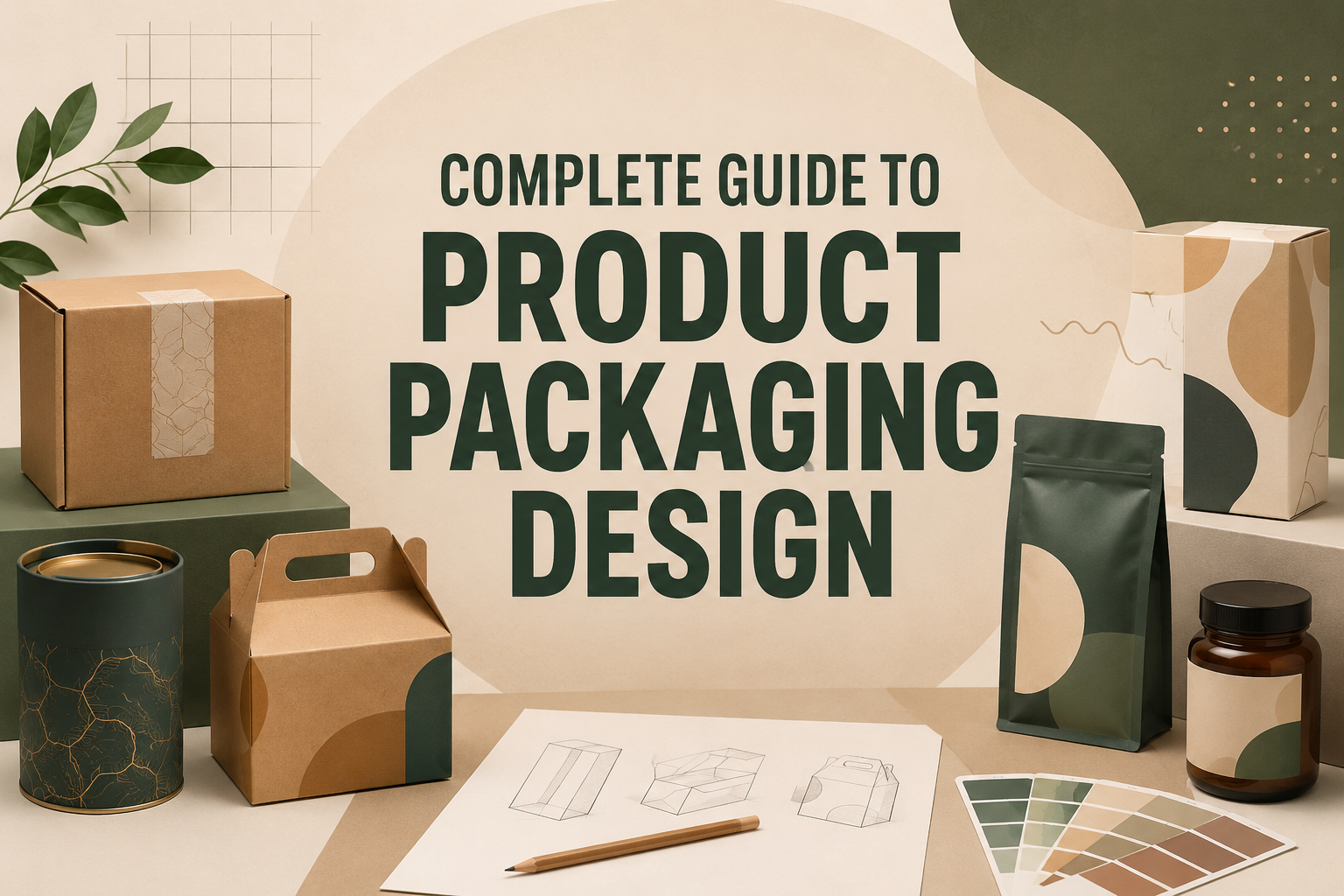
In a competitive marketplace, packaging is often the first conversation a customer has with a brand. Before a customer reads product details, compares features, or experiences the product itself, they notice the packaging. The colors, structure, materials, and overall visual appeal influence how they perceive the product and whether they choose to explore it further. This makes Product Packaging Design much more than a visual exercise. It is a strategic process that combines branding, customer psychology, functionality, and market positioning. A well-designed package does not simply protect a product. It communicates value, builds recognition, and creates a memorable experience from the moment a customer sees it on a shelf or online marketplace.

Understanding the Purpose of Packaging Design


Packaging serves multiple roles beyond holding a product. A successful packaging strategy should:

  • Protect the product
  • Communicate essential information
  • Reflect brand identity
  • Attract customer attention
  • Influence purchase decisions

In crowded retail environments, customers often make quick decisions based on visual cues. A product sitting among dozens of competitors needs packaging that immediately communicates why it deserves attention. Strong Product Packaging Design creates a connection between the brand and the customer before the first interaction with the product itself.

Step 1: Understanding the Brand and Audience


Every successful packaging project begins with research. Before creating visuals, designers need to understand:

  • Brand values
  • Target customers
  • Market positioning
  • Competitor packaging
  • Customer expectations

A premium skincare brand will require a different approach compared to a children’s product or a technology accessory. The packaging should reflect the personality of the brand while speaking directly to the intended audience. Design decisions should not be based only on what looks attractive. They should be based on what communicates effectively.

Step 2: Developing the Concept


The concept stage transforms strategy into creative direction. Designers explore:

  • Visual themes
  • Color systems
  • Typography styles
  • Packaging structures
  • Brand storytelling elements

The goal is to create an idea that captures attention while remaining connected to the product’s purpose. A strong concept answers an important question: Why should customers notice this product? The best packaging concepts are simple enough to understand quickly but distinctive enough to remain memorable.

Also Check out : Top 10 Product Packaging Design Mistakes That Reduce Sales

Step 3: Creating Visual Identity


Visual elements play a major role in how customers recognize and remember products. Key components include:

  1. Colors – Colors influence emotions and brand perception. They help customers associate packaging with specific qualities such as trust, luxury, freshness, or energy.
  2. Typography – Fonts communicate personality. The right typography improves readability while reinforcing brand character.
  3. Images & Graphics – Visual elements should support the product story rather than create unnecessary distractions. A balanced combination of these elements creates packaging that feels intentional and professional.

Step 4: Balancing Creativity With Functionality


Great packaging is not only visually appealing. It must also work practically. Designers need to consider:

  • Product protection
  • Storage requirements
  • Manufacturing limitations
  • Transportation needs
  • Customer convenience

A beautiful package that is difficult to open, store, or use creates a poor customer experience. Effective Product Packaging Design combines creativity with real-world usability. The best designs look good on shelves and function well in customers’ hands.

Step 5: Designing for Shelf Impact


Shelf impact refers to how effectively a product attracts attention in a competitive environment. Customers often scan shelves quickly, making visual differentiation extremely important. Strong shelf presence comes from:

  • Clear branding
  • Distinctive visuals
  • Strong hierarchy
  • Memorable design elements

The packaging should help customers identify the product category while making the brand stand apart from competitors.

Step 6: Considering Digital Shopping Experiences


Modern packaging is not only experienced physically. With the growth of e-commerce, products must also stand out through online images and digital listings. Packaging design should consider how the product appears:

  • In marketplace thumbnails
  • In product photographs
  • On websites
  • Across digital advertisements

A design that works both on shelves and screens provides stronger brand consistency.

Step 7: Testing and Refinement


Before final production, packaging concepts should be reviewed and tested. This may include:

  • Customer feedback
  • Market comparisons
  • Prototype reviews
  • Visual adjustments

Small improvements during this stage can significantly impact final results. Testing helps ensure that the packaging communicates the intended message clearly.

The Business Impact of Strong Packaging Design


Effective packaging influences more than appearance. It can help businesses:

  • Build stronger brand recognition
  • Improve customer trust
  • Create premium perception
  • Increase product visibility
  • Strengthen market positioning

For many brands, packaging becomes one of the most powerful marketing tools because it reaches customers at the exact moment of purchase consideration.

Conclusion


Product packaging is no longer just about protecting what is inside. It is about creating an experience that communicates quality, value, and brand identity.

A thoughtful Product Packaging Design process combines strategy, creativity, functionality, and customer understanding to create packaging that performs both visually and commercially.

From the initial concept to the final shelf presence, every design decision plays a role in how customers perceive and remember a product.

Because in a crowded marketplace, the products that get noticed are often the ones that tell the strongest story before they are even opened.


Post Views: 26
Tags
Product Packaging Design Product Packaging Design Service

Continue Reading

Home / Blogs / Top 10 Product Packaging Design Mistakes That Reduce Sales

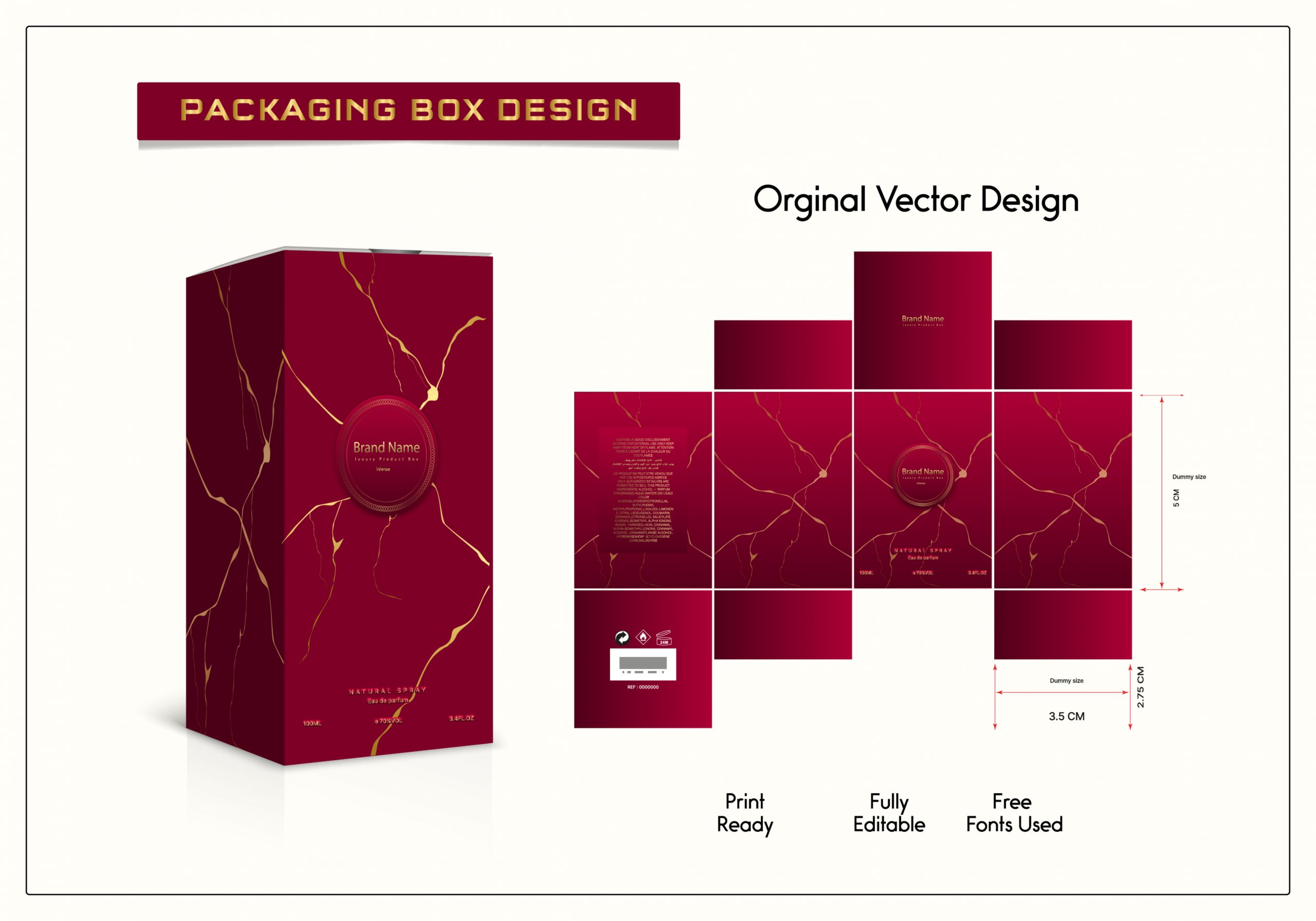
10 Product Packaging Design Mistakes That Can Cost Your Product Sales

Packaging is often the first physical interaction a customer has with a brand. Before someone experiences the product itself, they experience the packaging. Studies in retail behavior show that more than 70% of purchasing decisions are influenced at the shelf, and packaging plays a major role in that moment.

Good packaging does more than protect a product. It communicates brand value, builds trust, and influences buying decisions within seconds. This is why businesses increasingly invest in product packaging design service in Bangalore to stand out in crowded markets and create stronger brand recognition.

However, many brands still make avoidable mistakes that weaken their product appeal and reduce market performance. Whether you are launching a new product or redesigning an existing one, avoiding these common packaging errors can significantly improve results. Here are the

Top 10 Product packaging design mistakes brands should avoid.

1. Prioritizing Looks Over Functionality

A package might look beautiful in a design mockup, but if customers struggle to open, store, or carry it, the experience quickly becomes frustrating.

Functionality is a critical part of professional product packaging design. Easy-to-open seals, durable structures, and practical storage solutions matter just as much as visual aesthetics. Successful brands balance visual appeal with usability, ensuring packaging performs well throughout the product lifecycle.

2. Ignoring the Target Audience

One of the most common mistakes in brand packaging design service projects is designing packaging based on personal taste rather than customer insight.

A luxury cosmetic product, a children’s snack, and a sustainable lifestyle brand all communicate differently through packaging. Color psychology, typography, materials, and messaging should reflect the expectations and values of the intended audience.

Effective custom packaging design services begin with understanding who the product is for.

3. Cluttered Visual Hierarchy

When packaging tries to communicate everything at once, customers struggle to understand anything clearly.

A professional retail packaging design agency structures packaging with a clear visual hierarchy:

  • Brand name
  • Product type
  • Key benefits
  • Supporting information

If these elements compete visually, the packaging loses its shelf impact. Strong packaging design ensures customers understand the product within seconds.

4. Weak Brand Consistency

Packaging is one of the most powerful brand touchpoints. When colors, typography, tone, and logo usage are inconsistent, it weakens brand recognition.

Professional brand design agency in bangalore create packaging systems that stay consistent across:

  • Product variants
  • Retail displays
  • Online stores
  • Promotional materials

Consistency helps build long-term brand recall and customer trust.

Explore Recent blog Packaging Design vs Branding

5. Poor Material Selection

Material choice influences perceived product value, durability, and sustainability perception.

Low-quality materials can make even premium products feel cheap. On the other hand, unsuitable packaging structures can affect product freshness, safety, or transport reliability.

Experienced professional product packaging design teams consider structural engineering, logistics, sustainability goals, and brand positioning when selecting packaging materials.

6. Neglecting Shelf Differentiation

Retail shelves and online marketplaces are crowded spaces. If packaging blends into the category without a distinctive identity, customers may simply overlook it.

While some category familiarity helps recognition, unique visual cues are essential for standing out.

Strategic retail packaging design agency approaches focus on differentiation through color contrast, layout, material finishes, and storytelling elements.

7. Overlooking Print Accuracy

Many designs look impressive on a digital screen but fail during the production stage.

Common problems include:

  • Color mismatches
  • Poor typography readability
  • Incorrect finish effects
  • Structural inconsistencies

This gap between design and manufacturing is why experienced custom packaging design services include print testing, prototyping, and production validation before final approval.

8. Missing Regulatory and Informational Clarity

Packaging must communicate important product information clearly and accurately.

Customers expect to easily find:

  • Ingredients
  • Usage instructions
  • Quantity
  • Safety warnings
  • Expiry details

Professional brand packaging design services ensure mandatory information is presented clearly without compromising the visual design.

Minimalist design, bold typography, eco-friendly materials, and illustrated packaging are popular trends. However, blindly following trends can make packaging feel outdated very quickly.

Effective professional product packaging design focuses on long-term brand identity rather than short-term design trends.

The goal is not just to look modern today but to remain relevant and recognizable for years.

10. Treating Packaging as a One-Time Task

Many companies launch a product and never revisit their packaging until sales decline.

In reality, packaging should evolve based on:

  • Customer feedback
  • Market competition
  • Brand growth
  • Retail environment changes

Businesses that treat packaging as a strategic brand asset regularly refine and improve their designs.

Conclusion

Packaging is far more than a protective container. It influences customer trust, product visibility, and purchase decisions every single day.

When done well, packaging becomes a silent brand ambassador, representing your business across retail shelves, delivery boxes, and digital storefronts. When done poorly, it can limit the success of even the best products.

Brands that invest in professional packaging strategy gain a powerful advantage in competitive markets.

If your business is looking to create Product Packaging Design that stands out, connects with customers, and drives real results, Honeycomb provides strategic packaging solutions that help brands turn great products into memorable experiences.

Post Views: 19
Tags
Product Packaging Design

Continue Reading

Home / Blogs / Packaging Design vs Branding: What Bangalore Businesses Should Know

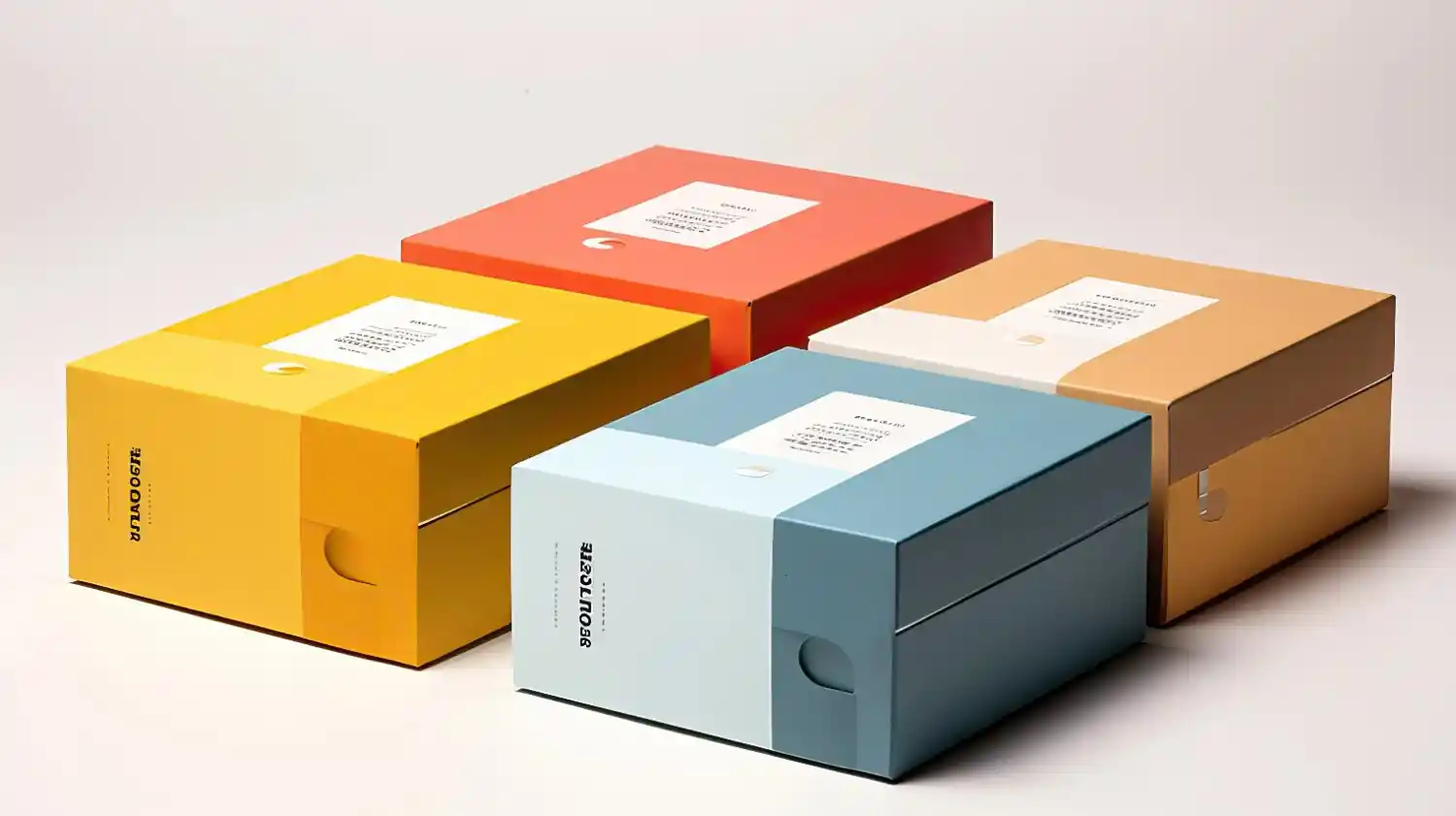
Launching a successful product today requires more than just quality. Consumers are influenced by how a product looks, feels, and communicates its value before they even try it. Two important factors that shape this perception are packaging design and branding.

While many businesses focus heavily on brand identity, others invest more in product packaging to capture attention on store shelves and online marketplaces. Businesses exploring packaging design in Bangalore often look for creative ways to improve how their products stand out visually while communicating value clearly. But which one actually matters more for your product’s success?

In reality, both play different but equally important roles. A strong product packaging strategy combined with effective brand identity helps businesses attract customers, build trust, and stand out in competitive markets.

What Is Packaging Design?

Packaging design refers to the visual and structural design of a product’s packaging. It includes everything from the material and shape to colors, typography, and graphics used to present the product.

The main goal of packaging design is to protect the product while also making it appealing to consumers.

Key Elements of Packaging Design

  1. Visual Design – Colors, typography, and graphics create the first impression. Attractive visuals can immediately grab attention on retail shelves.
  2. Structural Packaging – This includes the shape, box structure, and materials used to protect the product during storage and transportation.
  3. Functionality – Good packaging should be easy to open, store, and reuse.
  4. Sustainability – Modern consumers prefer eco-friendly packaging, recyclable materials, and minimal waste solutions.
  5. Product Information – Packaging communicates essential details such as ingredients, instructions, and brand messaging.

A well-designed package not only protects the product but also acts as a powerful marketing tool that influences purchasing decisions.

What Is Branding?

Branding is the overall identity and perception of a company or product in the minds of consumers. It goes beyond visual elements and focuses on building emotional connections with customers.

Branding includes several important components:

  • Logo and brand identity
  • Brand colors and typography
  • Brand voice and messaging
  • Company values and story
  • Customer experience

Strong branding helps customers recognize and remember a product, even when they see it among dozens of similar alternatives.

For example, when customers trust a brand, they are more likely to choose its products repeatedly, even if competitors offer similar items.

Packaging Design vs Branding: Key Differences

Although packaging design and branding are closely related, they serve different purposes in product marketing.

Packaging Design focuses on the physical presentation of the product. Key aspects include:

  • Physical appearance of the product, including colors, typography, graphics, and layout
  • Packaging structure and materials used to protect the product
  • Product labels and information that help customers understand what they are buying
  • Shelf appeal and visual attraction that influence quick purchasing decisions
  • Customer experience, such as ease of opening, storage, and usability

Branding focuses on the overall identity and perception of the business. Important elements include:

  • Brand identity, including logo, colors, and visual style
  • Brand messaging and communication, which reflects the brand voice and personality
  • Company values and brand story that connect emotionally with customers
  • Marketing and advertising presence across digital and offline platforms
  • Customer trust and brand recognition built over time
  • Packaging design mainly influences first impressions and immediate buying decisions.
  • Branding focuses on long-term relationships, trust, and customer loyalty.

In simple terms, packaging design attracts customers, while branding keeps them coming back.

Why Packaging Design Is Crucial for Product Success

Packaging plays a major role in how consumers perceive a product. In fact, many customers decide whether to pick up a product within seconds of seeing it.

1. Creates a Strong First Impression

When products compete on store shelves or e-commerce platforms, packaging becomes the first interaction customers have with the brand.

2. Encourages Impulse Buying

Eye-catching packaging can trigger impulse purchases, especially in retail environments.

3. Enhances Perceived Product Value

Premium packaging often makes a product appear more valuable and higher quality.

4. Improves Product Protection

Proper packaging ensures that products reach customers safely without damage.

5. Supports Sustainable Practices

Many brands are adopting sustainable packaging solutions such as recyclable materials, biodegradable packaging, and reduced plastic usage.

Businesses looking for innovative solutions often work with experts offering package design in Bangalore, where creative studios focus on modern, sustainable, and user-friendly packaging concepts.

Why Branding Matters for Long-Term Growth

While packaging attracts attention, branding keeps customers coming back.

1. Builds Customer Trust

Strong brands create credibility and reliability in the market.

2. Improves Brand Recognition

Consistent branding across packaging, advertising, and digital platforms helps customers quickly recognize your product.

3. Creates Emotional Connection

Brands that communicate values, stories, and purpose often connect better with customers.

4. Supports Marketing and Advertising

Branding strengthens all marketing campaigns, from social media to digital advertising.

5. Differentiates Products from Competitors

In crowded markets, branding helps businesses stand out and create a unique identity.

How Packaging Design and Branding Work Together

Packaging design and branding are most effective when they work together.

Packaging acts as the physical representation of the brand, bringing brand identity to life through visuals, colors, and storytelling.

For example:

  • Brand colors used in packaging reinforce recognition
  • Typography reflects brand personality
  • Sustainable packaging communicates brand values

When both elements align, customers experience a consistent and memorable brand experience.

Many creative agency in bangalore such as Honeycomb focus on combining branding and packaging strategies to help businesses create visually appealing and strategically designed products.

Which Matters More: Packaging Design or Branding?

The answer depends on the stage of your product and business.

When Packaging Design Matters More

Packaging becomes more important when:

  • Launching a new product
  • Selling in retail stores
  • Competing in crowded markets
  • Targeting impulse buyers

When Branding Matters More

Branding becomes more important when:

  • Building long-term customer loyalty
  • Expanding product lines
  • Entering new markets
  • Creating emotional connections with customers

The Reality

Successful products use both strong branding and effective packaging design.

Packaging attracts customers first, while branding ensures they remember and trust the product.

Why Professional Packaging Design Services Are Important

Creating effective packaging requires more than visual creativity. It involves understanding consumer behavior, materials, sustainability, and brand strategy.

Professional designers help businesses:

  • Create visually appealing packaging
  • Improve product protection
  • Align packaging with brand identity
  • Develop eco-friendly packaging solutions
  • Enhance shelf visibility and product differentiation

Companies that specialize in package design service in Bangalore often combine creative design, structural engineering, and brand strategy to develop packaging that stands out in competitive markets.

Start Exploring  –  Top 5 Packaging Design Agencies in Bangalore

Conclusion

Packaging design and branding are both essential for product success. Packaging captures attention and influences buying decisions, while branding builds trust and long-term customer relationships.

Businesses that integrate strong branding with strategic packaging design can create memorable product experiences and stand out in competitive markets.

By investing in professional design and focusing on customer perception, companies can transform packaging from a simple container into a powerful marketing tool.

FAQ: About Packaging Design and Branding

What is the difference between packaging design and branding?

Packaging design focuses on the visual and structural design of the product packaging, while branding represents the overall identity and perception of the company or product.

Why is packaging design important for product marketing?

Packaging design attracts customer attention, communicates product value, protects the product, and influences purchasing decisions both in retail stores and online marketplaces.

Can good packaging improve sales?

Yes. Attractive and functional packaging can increase product visibility, create a premium feel, and encourage impulse buying, which can lead to higher sales.

How does branding influence customer loyalty?

Branding builds trust and emotional connections with customers. When customers recognize and trust a brand, they are more likely to purchase from it repeatedly.

Should startups focus more on branding or packaging?

Startups should focus on both branding and packaging, but packaging may play a bigger role during the initial product launch because it creates the first impression.

How do businesses choose the right packaging design?

Businesses should consider factors such as target audience, product protection, sustainability, brand identity, and market positioning when selecting packaging design

Post Views: 20
Tags
Packaging Design in Bangalore Product Packaging Design

Continue Reading

Home / Blogs / Packaging design solutions for food & beverage brands in Bangalore

In the food and beverage industry, packaging is both the first impression and often the deciding purchase factor. Whether your product sits on a retail shelf, appears in an e-commerce listing, or features in a social media video, the packaging has only seconds to make an impact.

If you’re trying to create effective Package Design or searching for the right Product Package Design company in Bangalore, it is very crucial to understand the principles of modern packaging. Packaging, for today’s F&B brands, needs to be attractive, functional, compliant, and emotionally engaging.

High-Impact Packaging Design Solutions Transforming Bangalore’s Market


1) Winning Attention with Visual Identity Packaging

Shoppers judge a product in less than three seconds. That means design must:

  • Use strong hero colors
  • Present clear product names
  • Highlight benefits upfront
  • Include attractive photography or illustrations
  • Create instant shelf recognition

Good packaging ensures that the consumer knows immediately what you’re offering, no confusion, no hesitation.

2) Packaging Built for Modern Lifestyles

Consumers buy experiences, not products. Some of the trends in packaging today are:

  • Minimalist layouts
  • Matte and textured finishes
  • Nature-inspired palettes
  • Clean fonts available for easy readability
  • Lifestyle storytelling panels

These help make your product feel premium, conscious, and in line with contemporary customer expectations.

3) Function Meets Freshness

Design without functionality fails, especially in food & beverage categories. Strong packaging design considers:

  • Material compatibility
  • Fresh-lock systems
  • Moisture resistance
  • Durability during transportation
  • Easy-to-open features

This ensures that every product retains its quality right to the consumer’s hands.

4) Brand Storytelling Through Packaging

Your packaging is the silent ambassador of your brand. Storytelling elements include:

  • Origin story
  • Ingredient transparency
  • Certifications
  • Emotional messaging
  • Nutritional claims

These build trust and help consumers feel affiliated with your product.

5) Compliant Packaging

F&B brands have very strict guidelines that must be met. Packaging designers ensure:

  • Readable nutrition tables
  • Compulsory declarations
  • Batch details space
  • Barcode placement
  • FDA/FSSAI alignment

Creativity should go hand in hand with compliance.

6) Packaging Built for Omni-Channel Visibility

  • A product must look great:
  • On store shelves
  • In D2C websites
  • On Amazon BigBasket Zepto
  • In unboxing videos
  • On Instagram Reels

Now, designers optimize packages for physical and digital presence alike to have the most visually appealing look anywhere.

Want packaging that helps your product sell faster and feel premium?

Honeycomb provides the much-needed powerful packaging design solutions for F&B brands-strategic, aesthetic, and market-ready.

Explore better packaging solutions now!
localhost/honeycomb/

Post Views: 16
Tags
Product Packaging Design

Continue Reading

Home / Blogs / How Product Packaging Design Influences Buying Decisions

Walk down any aisle and you’re not merely shopping. You’re being surrounded, spoken to, and seduced by color, typography, and form. Every box, bottle, and pouch whispers a promise, a story condensed into seconds. And in that fleeting moment, before logic can interfere, your eyes decide what your hands will reach for.

This sort of instant recognition and silent persuasion is the power of product packaging design, It’s not just containment. It’s a conversation, and the first handshake. 

The Three-Second Rule

Three seconds is all the time a product gets before the next one steals the spotlight. The shelf is a battlefield, and product packaging design is your armor. Bold hues that break monotony. Shapes that disrupt symmetry. Fonts that declare rather than suggest.

Consumers don’t browse they scan. Their eyes glide like searchlights, locking onto what feels intentional. The difference between a design that pauses the scroll or shelf glance and one that fades into the blur is brutal but simple: clarity meets personality.

A well-crafted design doesn’t shout. It signals. The difference is everything.

Visual Language and Emotional Trust

Once you’ve earned that glance, the conversation deepens. The package must answer questions before they’re even formed: What is this? Who made it? Can I trust it?

And product packaging design does all this without a word.

A luxury serum needs to be designed in a frosted glass package and serif lettering, showcasing exclusivity. While a protein bar would have a package where the health icons are predominantly displayed for better product understanding.

This is silent storytelling at its finest. You’re not selling just a product. You’re selling a feeling of certainty. A sense that the person behind the package understands your life, your values, and your rhythm. Trust begins before purchase, and packaging is where it’s born.

The Psychology Behind Color and Shape

Design reaches deeper than aesthetical aspects, as it could even rewire the perception of the audience. The psychology of product packaging design works using various emotions associated with specific colors and shapes.

Color speaks before text does, as red creates urgency and appetite. Blue feels clean and dependable. Green breathes life, calm, and health. Black, meanwhile, leans into elegance and strength.

Shape tells its own story. A slim glass bottle? Precision. A stout jar? Generosity. The touch of a matte finish versus a glossy one can alter perceived quality in milliseconds. Weight too—products that feel heavier are often assumed to be premium. The mind, it seems, trusts gravity.

Every curve, edge, and contour participates in persuasion. Nothing is accidental. Every element in product packaging design works like a cue in a conversation you don’t realize you’re having.

Information as Design, Design as Information

After the attraction phase comes validation, and this is where clarity steps in. No one wants a guessing game at the shelf.

Great product packaging design guides the eye through a hierarchy of information. The logo claims identity. The tagline extends it. Benefits appear boldly, nutritional facts are clean and legible, and features like “eco-friendly,” “sugar-free,” and “new and improved” find their rightful emphasis.

Appeal to Cart Conversion

The reach, the lift, and finally the purchase. That’s the final test of design’s invisible hand. Everything, from typography to tactile feel, contributes to that micro-decision.

The package that wins is the one that performs this quiet choreography: attract, inform, assure, convert.

And in the digital era, this influence extends far beyond physical shelves. Product packaging design must now shine in thumbnails, look persuasive in pixelated grids, and survive the scrutiny of zoomed-in product pages. 

Sustainability: The New Luxury

Today’s consumers look far beyond the aesthetics of the packaging, as they also want to know what it is made up of.  This sort of sustainability is a moral shift that in turn affects the product packaging, which is made out of recycled and sustainable materials with lower carbon emissions. 

Modern product packaging design must balance environmental mindfulness with aesthetic finesse. Cardboard can be chic. Kraft textures can feel upscale. Sustainable doesn’t mean stripped-down; it means thoughtfully constructed.

This evolution has turned eco-consciousness into an aesthetic language of its own, one that says, We care. This sort of message, subtle but powerful, is increasingly shaping purchase decisions.

More Than a Box

Let’s be clear: a package is never just a box, it’s a miniature billboard. A piece of strategy disguised as simplicity. A silent salesperson standing on the front lines of consumer choice.

Investing in Product Packaging Design is vital as it is the difference between a product that sits and one that sells, between a glance and a grasp. In a marketplace defined by milliseconds of attention and endless options, design doesn’t follow the sale it creates it.

Bring Your Packaging Vision to Life with Honeycomb

Your product deserves more than generic packaging; it deserves Honeycomb. We merge storytelling, strategy, and design into packaging that takes into consideration everything from first glance to final purchase.

Partner with Honeycomb, where design meets impact.

Post Views: 17
Tags
Product Packaging Design

Continue Reading

WhatsApp