Somewhere in the last decade, opening a box became a public event. People film it, post it, slow it down, and react to it in real time for an audience of strangers. What used to be a private, forgettable moment between a customer and a cardboard flap is now one of the most scrutinised touchpoints a brand has. If the packaging feels like an afterthought, the whole product feels like one too.
That shift has quietly raised the stakes for anyone shipping a physical product. A great unboxing moment doesn’t happen by accident. It’s engineered, layer by layer, by people who understand materials, motion, and emotion at the same time. That’s the exact space a Product Packaging Design Agency works in, turning a simple container into a moment worth remembering.
Why Unboxing Became a Marketing Channel
A few years ago, packaging was judged mostly on shelf appeal: could it grab attention in a crowded aisle? That still matters, but e-commerce changed the calculation. When a customer buys online, the box isn’t competing with neighbouring products on a shelf. It’s competing with every other package that person has ever opened, including the ones they’ve watched in videos made by other people.
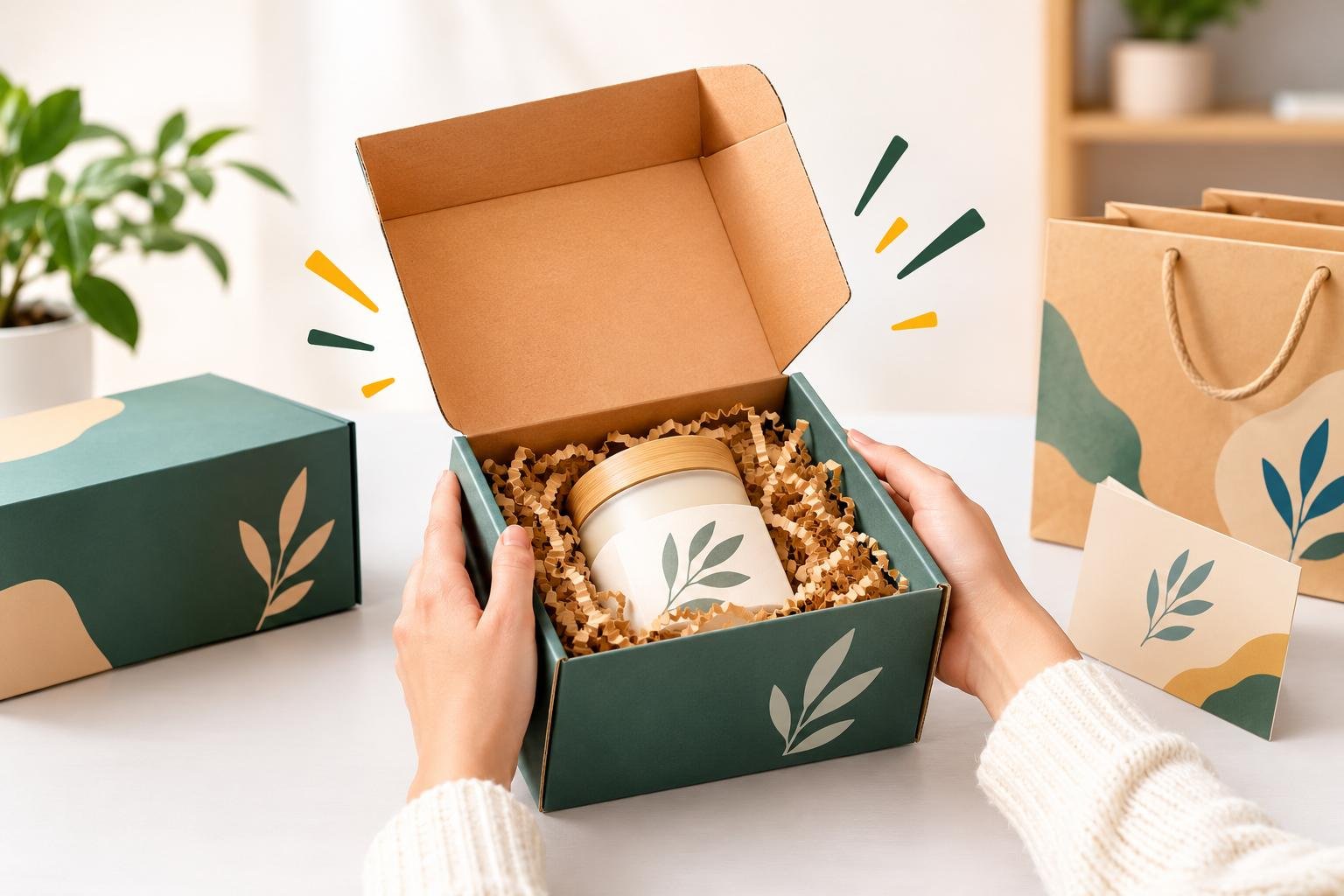
This is why professional product packaging design services now think beyond the outer box. They consider the reveal sequence: what the customer sees first, second, and third as they open it. They think about resistance, how much friction there should be before the product appears, because a little anticipation, done right, builds excitement rather than annoyance. None of this is about being flashy for its own sake. It’s about designing a sequence of small surprises that make someone feel like the product was made specifically for them.
The Psychology Behind a Good Unboxing
There’s a reason unboxing videos work as entertainment even when viewers have no intention of buying the product themselves. Good packaging taps into anticipation, a psychological state that actually produces its own reward response before the product is even used. A well-designed box slows the moment down just enough to let that anticipation build, then pays it off with a clean, satisfying reveal.
Texture plays a bigger role here than most brands realise. A matte finish, a soft-touch coating, or the sound of tissue paper unfolding all register with a customer before they’ve read a single word of copy. Colour transitions matter too. Many brands design an internal colour palette that differs slightly from the external one, so opening the box feels like stepping into a different, more intimate part of the brand world. These are small design decisions, but together they shape whether the experience feels premium or forgettable.
Related Read: Top 10 Product Packaging Design Mistakes That Reduce Sales
What Great Packaging Actually Does for a Brand
It’s tempting to think of packaging as pure cost, protective material that exists only until the product is used. In practice, thoughtful packaging design does real commercial work.
It reinforces brand identity at the exact moment a customer’s attention is closest, right as they’re about to use what they paid for. It reduces returns and confusion by making instructions and product details easy to find inside a well-organised layout. It also creates shareable moments organically, since customers are far more likely to photograph or film packaging that feels intentional and distinctive. That kind of user-generated content is difficult to buy and easy to earn, and it often starts with a box that was designed to be noticed.
There’s a retention angle too. Customers associate the feeling of unboxing with the brand itself, not just the product inside. A forgettable box can quietly undercut an otherwise excellent product, while a memorable one can make an average product feel special. That gap is exactly where a skilled Product Packaging Design Agency earns its value, closing the distance between what a product does and how it’s perceived.
Sustainability Without Sacrificing Experience
Customers increasingly expect packaging to be responsible, not just attractive. The good news is that sustainable materials and memorable design aren’t opposing goals. Recycled kraft board, soy-based inks, and minimal single-material construction can all be part of a design language that still feels considered and premium.
The best product packaging design services treat sustainability as a design constraint to be solved creatively, rather than a compromise to apologise for. Some of the most talked-about unboxing experiences in recent years have come from brands that leaned into visible sustainability, showing customers exactly how the materials break down or get reused, turning an environmental choice into part of the story itself.
What to Look for in a Packaging Design Partner
Choosing the right team for this work means looking past portfolios full of pretty renders. Ask how they think about structural design, not just surface graphics, since a box that looks great flat but fails to open smoothly will undo all the visual effort. Ask how they test prototypes with real users before finalising a design, since reactions on paper rarely match reactions in hand. And ask how they balance cost, materials, and shipping efficiency, because packaging that’s beautiful but impractical to produce at scale isn’t a solution, it’s a liability.
Honeycomb Creative Support brings this full picture together for its clients, combining strategic brand thinking with hands-on design across print, packaging, and digital touchpoints. The Graphic Design Services at Honeycomb works closely with brands to make sure packaging doesn’t just look good on a design board, but performs beautifully in a customer’s hands.
Make the First Touch the One They Remember
A product can be excellent and still be forgotten if the moment someone first holds it feels ordinary. The box is not the end of the supply chain, it’s the beginning of the relationship, and it deserves the same intention as everything else the brand puts into the world.
If you’re ready to turn your packaging into an experience customers actually want to share, Honeycomb Creative Support’s Graphic Design team can help you design it. Visit Honeycomb Creative Support to get started.
Frequently Asked Questions
Q1. How much does professional packaging design typically cost?
Costs vary widely based on complexity, materials, and the number of SKUs involved, but most brands should budget for both design development and physical prototyping rounds before finalising a production-ready file.
Q2. How long does a packaging design project usually take?
A typical project runs anywhere from four to ten weeks, depending on how many rounds of prototyping and printer testing are required.
Q3. Does packaging design include structural engineering?
Yes, in most cases. Good packaging design considers both the graphic surface and the physical structure, since the two need to work together for the unboxing experience to feel seamless.
Q4. Can small businesses benefit from investing in unboxing design?
Absolutely. Smaller brands often see an outsized return, since a distinctive unboxing moment can generate organic social sharing that would otherwise require a significant paid marketing budget.
Q5. How do I know if my current packaging needs a redesign?
If customers rarely mention or share the unboxing experience, if the packaging doesn’t clearly reflect your brand identity, or if you’re seeing higher-than-expected return rates due to confusion, it’s likely time for a fresh look.