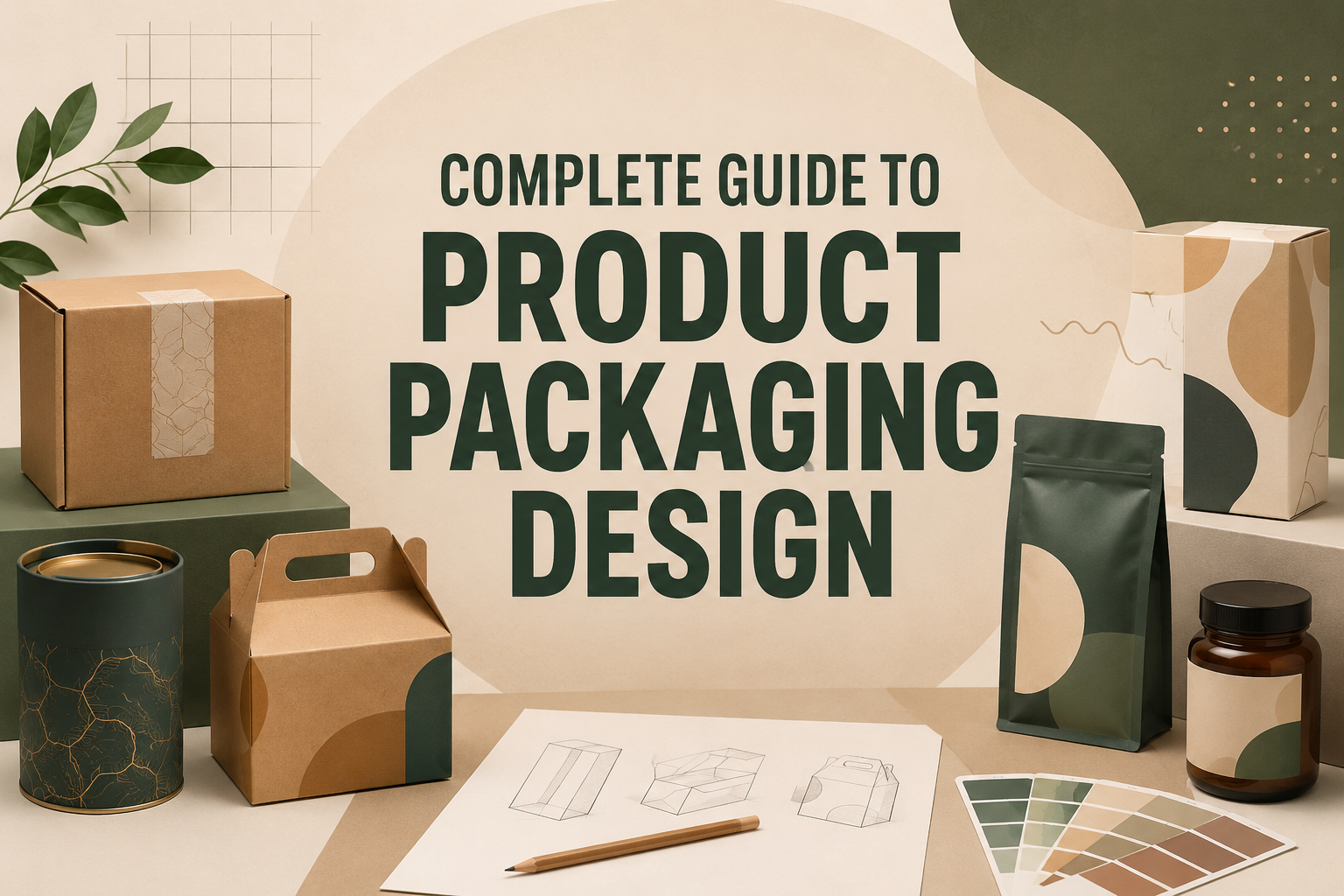
In a competitive marketplace, packaging is often the first conversation a customer has with a brand. Before a customer reads product details, compares features, or experiences the product itself, they notice the packaging. The colors, structure, materials, and overall visual appeal influence how they perceive the product and whether they choose to explore it further. This makes Product Packaging Design much more than a visual exercise. It is a strategic process that combines branding, customer psychology, functionality, and market positioning. A well-designed package does not simply protect a product. It communicates value, builds recognition, and creates a memorable experience from the moment a customer sees it on a shelf or online marketplace.
Understanding the Purpose of Packaging Design
Packaging serves multiple roles beyond holding a product. A successful packaging strategy should:
- Protect the product
- Communicate essential information
- Reflect brand identity
- Attract customer attention
- Influence purchase decisions
In crowded retail environments, customers often make quick decisions based on visual cues. A product sitting among dozens of competitors needs packaging that immediately communicates why it deserves attention. Strong Product Packaging Design creates a connection between the brand and the customer before the first interaction with the product itself.
Step 1: Understanding the Brand and Audience
Every successful packaging project begins with research. Before creating visuals, designers need to understand:
- Brand values
- Target customers
- Market positioning
- Competitor packaging
- Customer expectations
A premium skincare brand will require a different approach compared to a children’s product or a technology accessory. The packaging should reflect the personality of the brand while speaking directly to the intended audience. Design decisions should not be based only on what looks attractive. They should be based on what communicates effectively.
Step 2: Developing the Concept
The concept stage transforms strategy into creative direction. Designers explore:
- Visual themes
- Color systems
- Typography styles
- Packaging structures
- Brand storytelling elements
The goal is to create an idea that captures attention while remaining connected to the product’s purpose. A strong concept answers an important question: Why should customers notice this product? The best packaging concepts are simple enough to understand quickly but distinctive enough to remain memorable.
Also Check out : Top 10 Product Packaging Design Mistakes That Reduce Sales
Step 3: Creating Visual Identity
Visual elements play a major role in how customers recognize and remember products. Key components include:
- Colors – Colors influence emotions and brand perception. They help customers associate packaging with specific qualities such as trust, luxury, freshness, or energy.
- Typography – Fonts communicate personality. The right typography improves readability while reinforcing brand character.
- Images & Graphics – Visual elements should support the product story rather than create unnecessary distractions. A balanced combination of these elements creates packaging that feels intentional and professional.
Step 4: Balancing Creativity With Functionality
Great packaging is not only visually appealing. It must also work practically. Designers need to consider:
- Product protection
- Storage requirements
- Manufacturing limitations
- Transportation needs
- Customer convenience
A beautiful package that is difficult to open, store, or use creates a poor customer experience. Effective Product Packaging Design combines creativity with real-world usability. The best designs look good on shelves and function well in customers’ hands.
Step 5: Designing for Shelf Impact
Shelf impact refers to how effectively a product attracts attention in a competitive environment. Customers often scan shelves quickly, making visual differentiation extremely important. Strong shelf presence comes from:
- Clear branding
- Distinctive visuals
- Strong hierarchy
- Memorable design elements
The packaging should help customers identify the product category while making the brand stand apart from competitors.
Step 6: Considering Digital Shopping Experiences
Modern packaging is not only experienced physically. With the growth of e-commerce, products must also stand out through online images and digital listings. Packaging design should consider how the product appears:
- In marketplace thumbnails
- In product photographs
- On websites
- Across digital advertisements
A design that works both on shelves and screens provides stronger brand consistency.
Step 7: Testing and Refinement
Before final production, packaging concepts should be reviewed and tested. This may include:
- Customer feedback
- Market comparisons
- Prototype reviews
- Visual adjustments
Small improvements during this stage can significantly impact final results. Testing helps ensure that the packaging communicates the intended message clearly.
The Business Impact of Strong Packaging Design
Effective packaging influences more than appearance. It can help businesses:
- Build stronger brand recognition
- Improve customer trust
- Create premium perception
- Increase product visibility
- Strengthen market positioning
For many brands, packaging becomes one of the most powerful marketing tools because it reaches customers at the exact moment of purchase consideration.
Conclusion
Product packaging is no longer just about protecting what is inside. It is about creating an experience that communicates quality, value, and brand identity.
A thoughtful Product Packaging Design process combines strategy, creativity, functionality, and customer understanding to create packaging that performs both visually and commercially.
From the initial concept to the final shelf presence, every design decision plays a role in how customers perceive and remember a product.
Because in a crowded marketplace, the products that get noticed are often the ones that tell the strongest story before they are even opened.