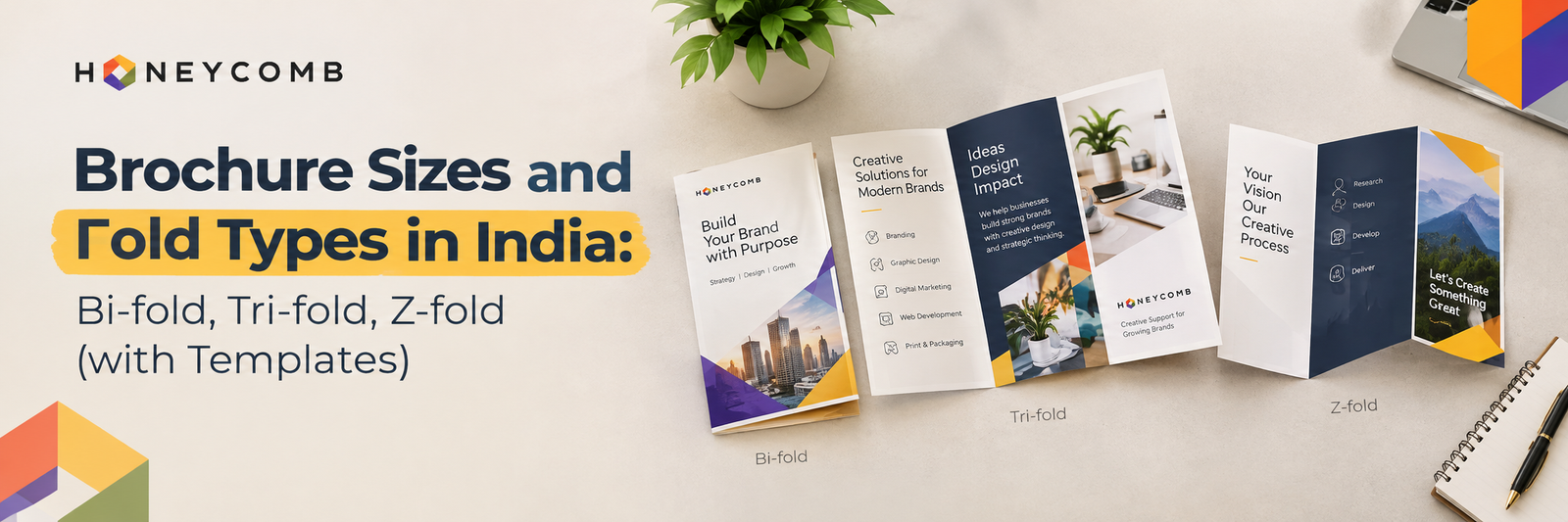
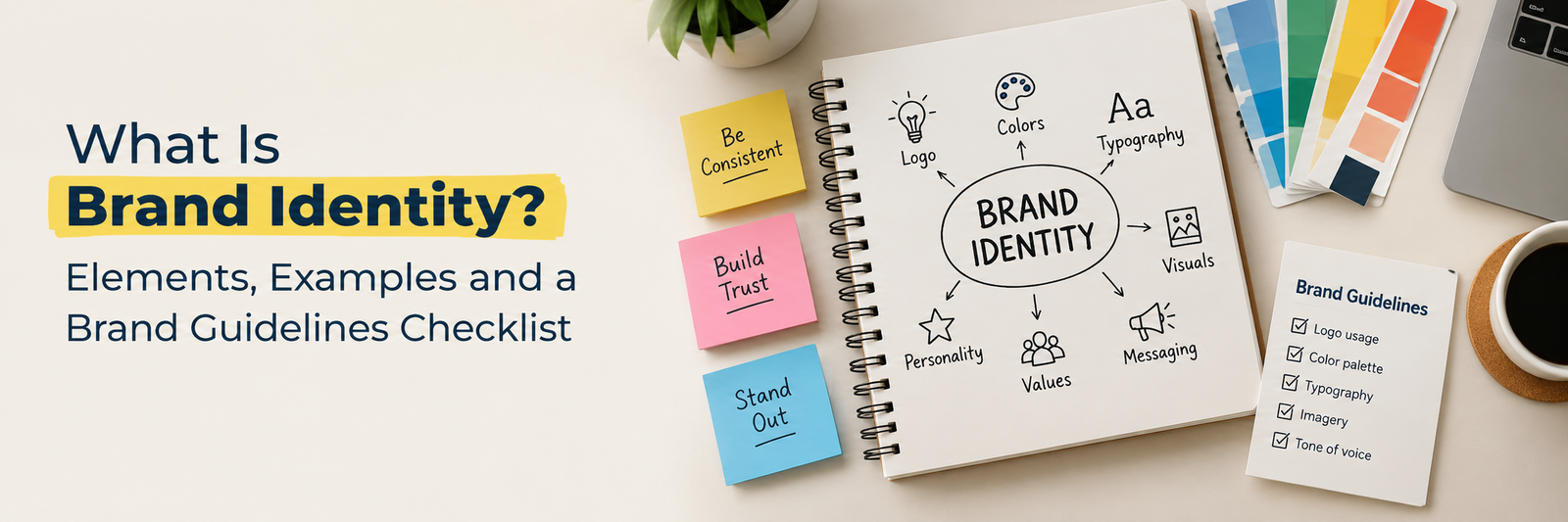
Corporate Brochure Design Trends in Bangalore have evolved significantly over the past few years, especially within the city’s highly competitive business environment.
Bangalore-based businesses operate in fast-moving sectors such as IT, D2C brands, SaaS, manufacturing, and real estate, where first impressions matter.
Today, brochures are no longer limited to being simple print collateral.
Corporate brochures are now treated as strategic brand assets used across multiple touchpoints, including:
- Sales and client meetings
- Investor presentations and pitch decks
- Trade shows, expos, and corporate events
- Employee onboarding kits
- Digital sharing via WhatsApp, email, and online platforms
Because of this expanded usage, brochure design has become a strategic branding and marketing exercise, not just a design task.
A modern corporate brochure must:
- Reflect a premium and professional brand image
- Communicate key messages clearly and quickly
- Maintain visual consistency with overall branding
- Perform effectively in both print and digital formats
Businesses are increasingly adopting modern brochure design approaches to improve brand recall, engagement, and conversion.
Below are the top corporate brochure design trends in 2026 that forward-thinking brands in Bangalore are using to stand out in competitive markets.
Top Corporate Brochure Design Trends in Bangalore for 2026
1. Minimal, Structured Layouts That Feel Premium
- Modern business brochures are increasingly adopting clean visual layouts that emphasize clarity and sophistication.
- Brands are moving away from crowded pages and choosing designs with generous white space and fewer visual interruptions.
- Content is organized using clear sections, visual hierarchy, and grid-based alignment, making information easier to scan.
Instead of long text blocks, well-planned layouts rely on:
- Short content sections
- Consistent spacing
- Balanced typography
- This structured presentation helps senior stakeholders and decision-makers understand key messages quickly.
- Improved readability supports faster comprehension during meetings, pitches, and presentations.
Minimal layouts translate effectively across formats, ensuring consistency between:
- Printed materials
- Downloadable PDFs
- Mobile-optimized digital versions
- As a result, brands benefit from better engagement, stronger brand perception, and a more professional presentation across all touchpoints.
2. Digital-First Brochure Design for WhatsApp and LinkedIn Sharing
- Many business brochures are now shared digitally rather than printed, especially during sales outreach and professional networking.
- Companies are designing materials with a mobile-first mindset, as most recipients open PDF files on smartphones.
- Digital-first brochure layouts focus on screen readability and user interaction, not just visual appeal.
Key elements of a mobile-friendly brochure include:
- Legible typography that remains clear on small screens
- Short page lengths with smooth scrolling and simple navigation
- Interactive elements such as clickable links, email buttons, and website call-to-actions
- Optimized file sizes that load quickly without compromising visual quality
- This design approach makes brochures more effective for business development, quick outreach, and online sharing.
- Digitally optimized brochures also support modern buyer behavior, where prospects prefer reviewing documents independently before engaging in conversations.
- As a result, brands benefit from higher engagement, better accessibility, and improved response rates across professional platforms.
3. Strong Storytelling Instead of “Company Profile” Dumping
- A major shift in corporate brochure design is moving away from traditional “About Us” pages that present generic, company-centric information.
- Instead of leading with background history, many Bangalore-based brands are adopting story-driven narratives that focus on relevance and impact.
- Modern brochures prioritize outcomes, credibility, and value propositions in the opening pages.
A well-structured brochure now clearly answers key buyer-focused questions, such as:
- What does the business do, and who is it built for?
- Which challenges or pain points are addressed?
- What measurable results or success stories support the claims?
- Why should prospects place their trust in the brand?
- The initial pages are designed to highlight value, proof points, and real-world use cases, helping readers quickly understand the offering.
- Detailed company background and history are positioned later in the document, once interest and engagement have already been established.
- This storytelling-led approach aligns better with modern decision-making behavior, especially in sales meetings, investor discussions, and digital sharing.
4. Data-Led Pages with Clean Infographics
- Business decision-makers in Bangalore tend to be analytical and results-driven, looking for evidence rather than surface-level claims.
- As a result, modern business brochures are incorporating data-supported content instead of relying solely on descriptive text.
- Visual elements are used to explain information clearly and efficiently, helping readers grasp complex ideas quickly.
Common data-led visual components include:
- Process diagrams that outline how teams work and deliver
- Timeline visuals that show project stages and milestones
- Capability maps that group services and offerings logically
- Simple performance indicators highlighting results, scale, and reach
- The focus is not on filling pages with visuals, but on clear communication and structured messaging.
- Each section is designed to convey one core idea, supported by purposeful visual layouts.
- This approach improves information retention, credibility, and buyer confidence across sales and presentation touchpoints.
5. Brand Consistency Across Brochure, Website, and Pitch Decks
- Corporate branding practices among Bangalore-based organizations have become more structured and system-oriented.
- Businesses are ensuring that their marketing materials follow a single, consistent brand framework across all channels.
Visual and messaging alignment is maintained between:
- Printed business brochures
- Company websites and landing pages
- Social media creatives
- Investor presentations and proposal documents
This alignment typically includes:
- Consistent typography styles and spacing guidelines
- Coordinated color palettes and iconography
- A unified tone of voice and clear messaging hierarchy
- A shared visual language applied across all brand assets
- When brand materials follow the same design system, businesses appear more credible, professional, and trustworthy.
- Consistency across touchpoints also reduces confusion for prospects as they move between digital, sales, and presentation environments.
- A cohesive brand experience improves recognition, recall, and confidence throughout the buyer journey.
6. High-Quality Photography and “Real” Visuals
- Generic stock imagery is gradually losing effectiveness in professional business materials.
- Brands are shifting toward authentic photography and original visual content that reflects their people, environment, and offerings.
- Real visuals help communicate transparency, credibility, and brand values more effectively than staged images.
Common examples of authentic visual usage include:
- Team photographs that appear natural, approachable, and professional
- Actual project images, including process shots and before-and-after comparisons
- Product-in-use photography that shows real-world application
- Office or facility visuals that reinforce operational credibility
- These authentic visuals allow prospects to see the people and work behind the brand, not just marketing claims.
- Using real imagery strengthens emotional connection, trust, and confidence, especially during early evaluation stages.
- This approach also supports stronger engagement across presentations, digital sharing, and sales interactions.
7. Premium Print Finishes for High-Stakes Meetings
- Despite the rise of digital sharing, printed materials continue to play an important role in Bangalore’s business ecosystem.
- Physical brochures are especially relevant for trade shows, luxury offerings, property marketing, and high-value B2B engagements.
- Premium print treatments are gaining popularity because they create a strong and memorable first impression.
Commonly used print enhancements include:
- Matte lamination combined with spot UV accents
- Textured or specialty paper stocks that add a tactile, high-end feel
- Minimal cover layouts supported by bold, confident typography
- Clean, high-contrast page designs that improve print readability
- These finishing choices help elevate the perceived value of the material during in-person meetings and presentations.
- A well-produced brochure signals attention to detail, professionalism, and brand quality.
- The overall objective is to position the brochure as a premium brand asset, not a disposable handout.
8. Modular Brochures That Can Be Updated Quickly
- Bangalore-based businesses operate in fast-changing and competitive markets, where offerings, pricing, and case studies evolve frequently.
- Because of this, brochure design is becoming more practical, flexible, and future-ready.
- Modular brochure structures are built using independent content sections that can be updated without redesigning the entire document.
Common modular use cases include:
- Swapping service pages based on target audience or sales context
- Adding or removing industry-specific sections
- Rotating case studies without disturbing the overall layout
- This approach helps organizations stay current and relevant without repeated design cycles.
- Modular layouts also lead to lower long-term design costs and faster turnaround times.
- Flexible brochure systems support both print updates and digital sharing, making them ideal for growing businesses.
9. Clear CTA Placement and Conversion-Driven Design
- Business brochures are increasingly treated as sales enablement tools, not just informational documents.
- Call-to-action placement has become more intentional and user-focused.
Instead of limiting contact details to a single page, modern brochures now include:
- Clear CTAs at the end of each major section
- QR codes for quick access to websites or landing pages
- Visible email and phone details throughout the document
- One primary action such as book a call, request a quote, or schedule a demo
- This structure reduces friction and removes guesswork for prospects.
- Clear next steps improve response rates, engagement, and lead conversion, especially during sales discussions.
- Conversion-focused layouts align better with modern buyer behavior and shorter decision cycles.
Conclusion:
Corporate brochures are no longer just static company profiles. Today, corporate brochure design in Bangalore has become a strategic communication tool that focuses on clarity, credibility, and conversion across both print and digital formats. As reflected in current Corporate Brochure Design Trends in Bangalore, brands are moving towards clean layouts, purposeful storytelling, authentic visuals, and flexible structures that adapt to different audiences and platforms.
Businesses that align their brochures with these evolving trends are better positioned to build trust and encourage meaningful action from potential customers. A brochure that has not been updated in the last two to three years may no longer match how modern buyers evaluate businesses. Design expectations, content structure, and visual standards have changed significantly, making regular updates essential to stay relevant.
Talk to us today: https://www.honeycombindia.net/contact/