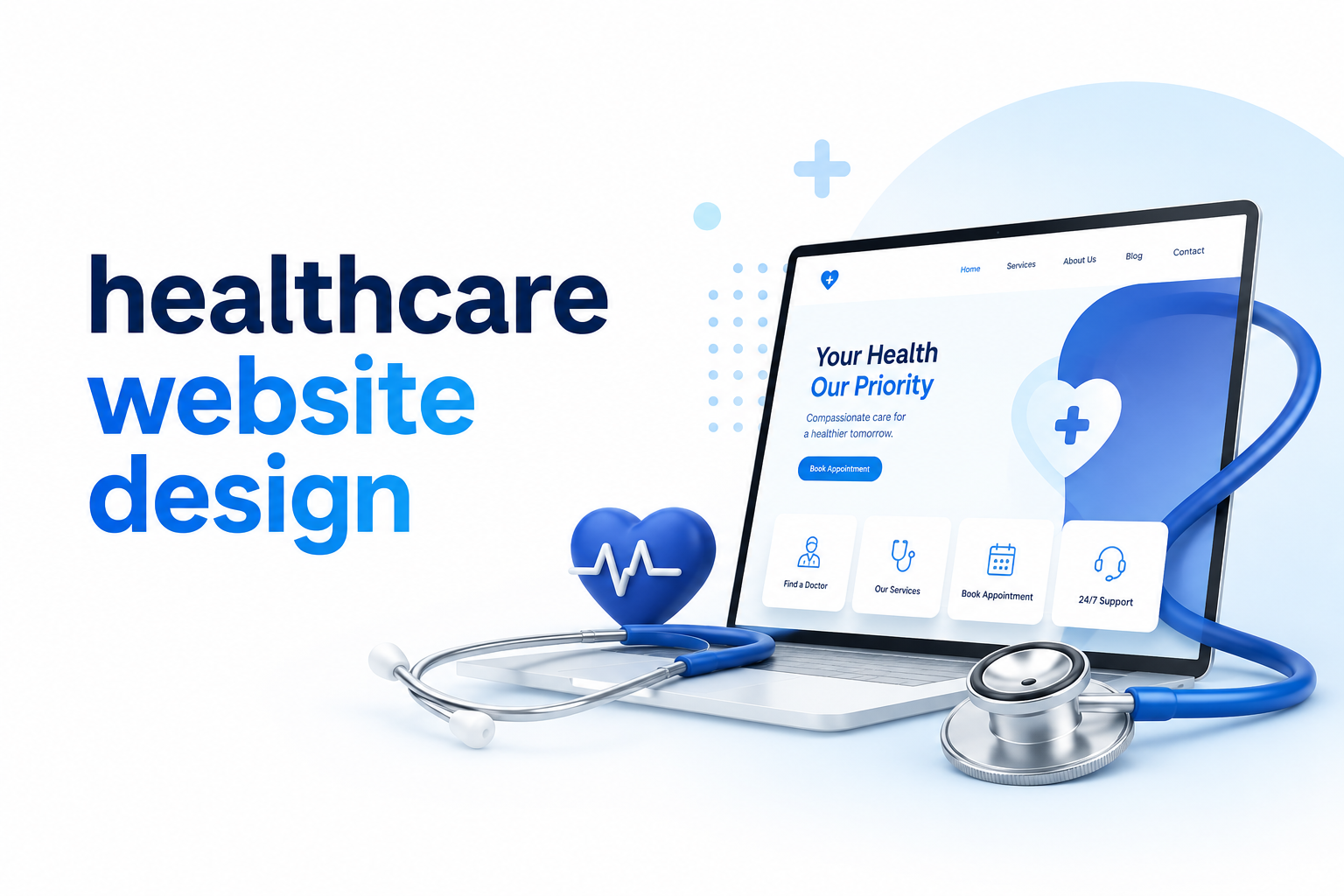
The healthcare industry is becoming increasingly digital. Patients now search online for doctors, clinics, hospitals, and healthcare services before making appointments. As a result, a healthcare website is no longer just an online presence it has become an essential patient engagement and trust-building tool.
In 2026, healthcare organizations need websites that are secure, user-friendly, informative, and designed around patient needs. This is why many hospitals, clinics, and healthcare providers work with a professional healthcare website design company or a specialized healthcare web development company to create modern digital experiences.
Here are the top features every healthcare website should have in 2026.
Online Appointment Booking
Patients expect convenience. One of the most important features of a modern healthcare website is an easy-to-use online appointment booking system.
A good booking platform should allow patients to:
- schedule appointments online
- choose preferred doctors
- select available time slots
- receive appointment confirmations
- get automated reminders
This reduces administrative workload while improving patient satisfaction.
Mobile-First Design
Most patients access healthcare websites through smartphones. Whether they are searching for a nearby clinic, checking doctor availability, or booking an appointment, mobile usability is essential.
A professional healthcare website design company ensures the website is:
- fully responsive
- easy to navigate on mobile devices
- fast-loading
- optimized for touch interactions
A poor mobile experience can cause patients to leave the website and choose another provider.
Doctor Profiles and Specializations
Patients want to know who will be providing their care.
Healthcare websites should include detailed doctor profiles featuring:
- qualifications
- experience
- specializations
- certifications
- consultation timings
- professional photographs
Comprehensive doctor profiles help build trust and make it easier for patients to choose the right healthcare professional.
Telemedicine Integration
Virtual consultations continue to grow in popularity.
Healthcare websites in 2026 should support telemedicine services, allowing patients to:
- book virtual appointments
- attend video consultations
- access digital prescriptions
- communicate with healthcare providers remotely
A modern healthcare web development company can integrate secure telehealth features that improve accessibility and convenience.
Patient Portal Access
Patient portals have become an important part of healthcare delivery.
A secure portal allows patients to:
- view medical records
- access test results
- download prescriptions
- track treatment history
- communicate with healthcare providers
These features improve patient engagement and reduce dependency on manual administrative processes.
Fast and Secure Performance
Healthcare websites handle sensitive information and must prioritize security.
Key requirements include:
- SSL certificates
- secure data storage
- HIPAA-compliant practices where applicable
- secure login systems
- regular security updates
A trusted healthcare website design company ensures both performance and security remain top priorities.
Educational Health Content
Patients often search for health-related information before seeking treatment.
Healthcare websites should include:
- blogs
- treatment guides
- FAQs
- wellness resources
- preventive care information
Educational content helps establish authority, improve search visibility, and build patient trust.
Easy Contact and Emergency Information
Visitors should be able to quickly find:
- phone numbers
- emergency contact details
- clinic addresses
- Google Maps integration
- email information
For healthcare providers, accessibility is critical. Contact information should be visible across the website.
Patient Reviews and Testimonials
Trust plays a major role in healthcare decisions.
Displaying genuine patient testimonials and reviews can help:
- improve credibility
- reduce patient hesitation
- showcase positive treatment experiences
These trust signals often influence appointment decisions.
SEO and Local Search Optimization
Patients frequently search for healthcare services using location-based queries.
A modern healthcare web development company should build websites with SEO best practices, including:
- local search optimization
- fast page speed
- structured content
- schema markup
- optimized service pages
This helps healthcare providers attract more qualified traffic and improve online visibility.
Final Thoughts
Healthcare websites in 2026 must go beyond basic information pages. They need to provide seamless patient experiences, secure communication, easy appointment management, and valuable health resources.
By partnering with an experienced healthcare website design company or a specialized healthcare web development company, healthcare providers can create websites that improve patient trust, increase engagement, and support long-term growth.
A successful healthcare website is not just a digital platform; it is an extension of the patient care experience.