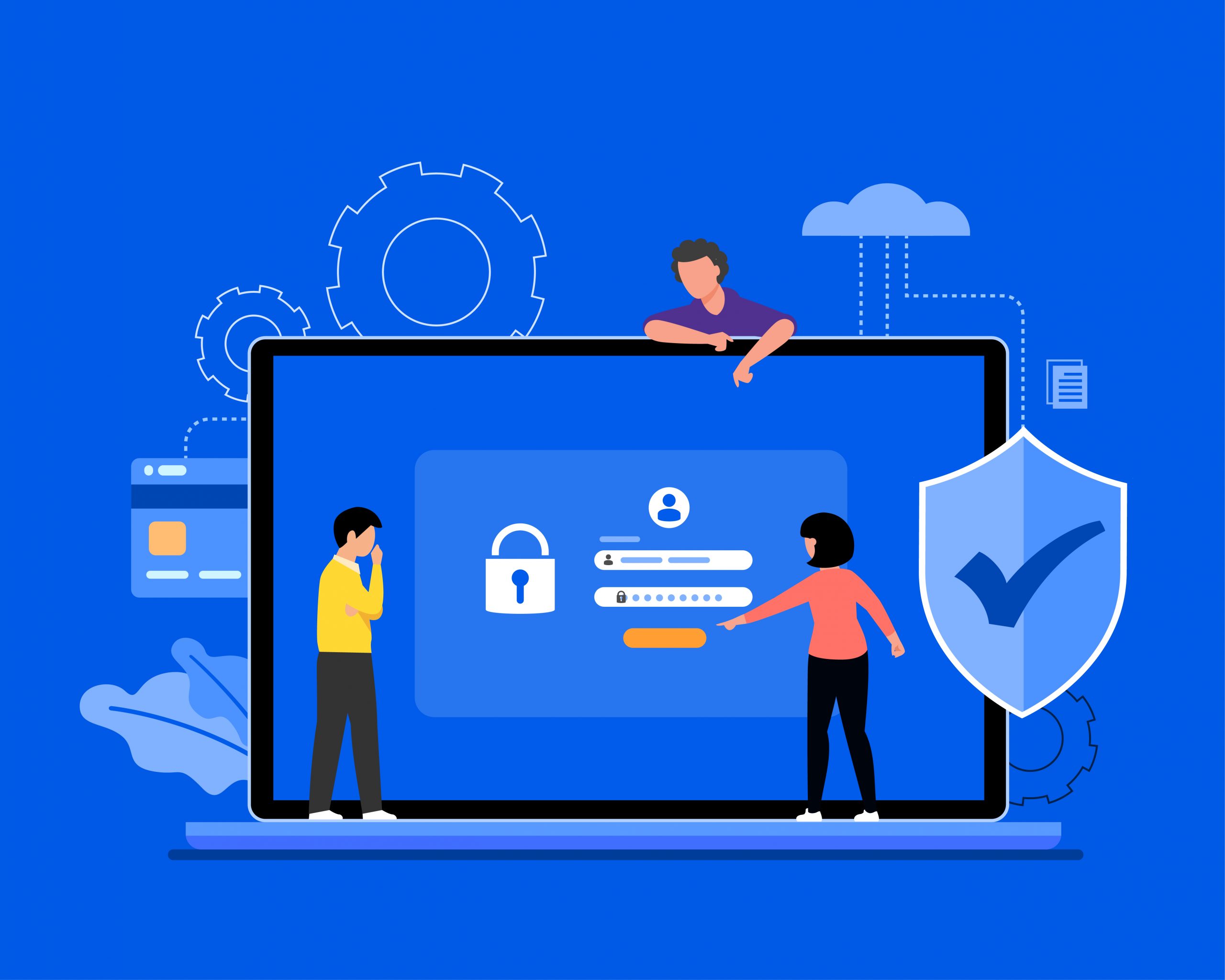
Use these crucial website security best practices for 2026 to safeguard your company and client information. Find out how secure software development and website development businesses can protect your online presence.
If your business has a website in 2026, you’re not just running a virtual store; you’re running a vault. And you know what? Hackers are no longer just people who mess around. They are automatic, well-organized, and really annoying. Because of this, you now have to either invest in good software development methods or work with a reliable website development company. It’s all about staying alive.
Let’s look more closely at what really matters when it comes to keeping a website safe.
Why is website security so important in 2026?
Cyberattacks are becoming more targeted and harder to detect. Companies of all sizes can be hurt by data breaches and ransomware attacks. The effects are not just losing money right now. One mistake can damage a company’s reputation, eat away at customer trust and even cause legal trouble. As a result, companies are beginning to view safe software development as a long-term investment rather than a short-term fix.
Use Secure Data Encryption and HTTPS
The first step to building a secure website is implementing HTTPS. It makes sure that the data shared by your users is protected and encrypted from any unauthorized users. Without this, your website can be labelled as “not secure” by most browsers, which can impact how people perceive your business, which could also impact your search engine rankings. This is not an afterthought when you work with a reputable website-building firm. They guarantee that SSL is correctly deployed from the start and that your website manages user data with the degree of security that your company and clients want.
Update Your Systems and Website
One of the most common ways for cyber threats to get in is through old systems. Updating frameworks, themes, and plugins on a regular basis can make them less secure. Regular updates and patches help get rid of known security risks. Routine maintenance, getting rid of unnecessary parts, and constant monitoring to make sure systems stay safe and work are all important parts of good software development.
Improve Access Control and Authentication
Businesses still face a big risk from authentication systems that don’t work well. Putting in place strong password restrictions and multi-factor authentication (MFA) makes it much less likely that someone will get into your account without permission. Also, role-based access control makes sure that employees can only see the information they need to do their jobs. A website-building company’s methodical approach lowers security risks for both the company and its clients.
Regular Backups and Disaster Recovery Planning
There is always some risk, even with the best security measures. Backups are very important at this point. Automated, safe backups make sure that your data can be quickly restored in case of an emergency. A clear disaster recovery plan cuts down on downtime and stops big problems with operations. Reliable software development teams include backup systems that are safe and easy to restore.
Choose a Safe and Reliable Hosting
Your hosting company plays a big role in the security of your website. A secure hosting environment should include DDoS protection, firewalls, monitoring of the servers, and virus scanning. If you pick the best supplier, your infrastructure will be completely protected. Reputable web development companies can help businesses secure hosting solutions that meet their performance and security requirements.
Ongoing Monitoring and Security Assessment
Website security work is ongoing. Constant testing and continuous monitoring is critical to keeping ahead of changing threats. Real-time monitoring, security audits and vulnerability scans help spot and fix issues before they escalate. Proactive software development means that security measures are updated to respond to new threats, keeping your website consistently secure.
FAQs
Q1: What are the most important website security best practices for businesses in 2026?
Key practices include HTTPS/SSL encryption, multi-factor authentication, regular security audits, and real-time threat monitoring. A professional website development company builds these protections into your site’s core architecture, not as afterthoughts, ensuring your business and customer data stays secure from day one.
Q2: How does a website development company strengthen your security?
Professional website development companies engineer security at every layer, including secure coding, encrypted data storage, input validation, and role-based access controls. Unlike DIY builds, they eliminate vulnerabilities before launch. In 2026, when cyberattacks target businesses of all sizes, that technical foundation directly protects your revenue and reputation.
Q3: Why does secure software development matter for customer data protection?
Secure software development practices, including OWASP-compliant coding, penetration testing, and DevSecOps integration, catch vulnerabilities before they reach production. With data privacy regulations tightening globally in 2026, a single breach doesn’t just expose customer data. It triggers compliance penalties, destroys trust, and damages your brand permanently.
Q4: How often should businesses run website security audits?
At a minimum, every quarter and immediately after any major update, plugin change, or third-party integration. Automated vulnerability scans should run continuously between audits. Your website development company or software development team should treat security reviews as an ongoing process, not a one-time checkbox.
Q5: What are the biggest website security threats in 2026?
AI-powered phishing, ransomware targeting web apps, API vulnerabilities, third-party plugin exploits, and SQL injection in outdated codebases top the 2026 threat list. Businesses working with experienced website development companies and following secure software development standards are significantly better equipped to detect and neutralise these threats before damage occurs.
Q6: Can small businesses afford proper website security?
Yes, and they cannot afford to skip it. The average cost of a breach far exceeds the investment in professional protection. Reputable website development companies offer scalable security solutions for SMEs, including SSL, firewall setup, malware scanning, and secure software development standards at budgets that grow with your business. Prevention always costs less than recovery.
Website security is vital to business success in today’s digital environment. It protects your clients and secures your data. It reinforces the integrity of your company. By collaborating with an experienced website development company and investing in good software development practices, businesses can build secure and reliable platforms that support long-term growth. Security is the cornerstone of a trusted online identity and is no longer optional.
Call Us: 90352 90915
E-mail: vani@honeycombindia.net
Location: No. 29, 3rd Cross, Venkata Reddy Layout, 6th Block, Koramangala, Bengaluru – 560 095.