Not every website is built to do the same job. A hospital does not need what an online store needs, and a personal blog has nothing in common with a SaaS product page. Yet so many businesses approach website design with a one-size-fits-all mindset, and end up with a site that looks fine but does not actually work for their goals.
As a Web Design Company in Bangalore, we get asked the same question in almost every first meeting: what kind of website do we actually need? So, before you brief your next project, here is a practical guide to the 12 most common types of websites, what each one is built for, and what separates an average version of it from a genuinely effective one.
What Is a Business Website and Who Needs One?
This is the most common starting point for any company. A business website introduces who you are, what you offer, and why someone should trust you. It typically includes a homepage, an about page, services, and a contact section.
The mistake most businesses make here is treating this as a digital brochure instead of a lead generation tool. A well-built business site, developed by a Professional Web Design Company, is structured around clear calls to action, fast load times, and a layout that guides visitors toward booking a call or filling a form, not just reading about you.
Why Do E-Commerce Websites Need a Different Approach Entirely?
An online store is not just a website with a shopping cart bolted on. It needs secure payment gateways, smooth product filtering, fast page speed, even with hundreds of product images, and a checkout process with as little friction as possible.
Cart abandonment is one of the biggest silent killers of e-commerce revenue, and it is almost always caused by slow load times, confusing navigation, or a checkout that asks for too much too soon. This is where thoughtful UX design genuinely pays for itself.
What Makes a Portfolio Website Actually Stand Out?
Designers, photographers, architects, and other creative professionals rely on portfolio websites to showcase their work. Here, visuals do the heavy lifting, but the temptation to prioritise style over usability is real.
A strong portfolio site balances striking imagery with fast performance and simple navigation, because even the most beautiful gallery is useless if it takes ten seconds to load or is impossible to browse on a phone.
How Is a Landing Page Different from a Regular Website Page?
A landing page has exactly one job: to convert visitors for a specific campaign or offer. Unlike a homepage that serves many purposes, a landing page strips away distractions like navigation menus and unrelated links, keeping the visitor focused entirely on one action.
This is where good copywriting and design work together closely. A single unclear headline or a buried call to action can quietly tank an entire ad campaign’s return on investment.
Why Do Blogs Still Matter for Businesses in 2026?
Blogs are far from outdated. A well-maintained blog builds organic search visibility, positions your business as knowledgeable in your field, and gives you fresh content to share across social media and email.
The businesses that get the most value from blogging treat it as a long-term content strategy, not a box to tick once and forget. Consistency and genuine expertise matter more than volume here.
What Should a Non-profit Website Prioritise?
Non-profit websites carry a unique responsibility, building emotional connection while making it incredibly easy for visitors to donate, volunteer, or learn about a cause. Clarity and trust matter enormously here, since visitors are often making a decision based on empathy within seconds.
Simple, transparent storytelling paired with a frictionless donation process consistently outperforms flashy design choices that distract from the mission.
Why Do Educational Websites Need Structured, Accessible Design?
Schools, universities, and e-learning platforms need websites that organise large volumes of information without overwhelming visitors. Course listings, faculty details, admissions information, and student portals all need to coexist without becoming a cluttered mess.
Accessibility is especially important here, since these sites serve a genuinely wide range of users, including those relying on screen readers or navigating with limited technical familiarity.
What Makes a Real Estate Website Effective?
Real estate websites live or die on their search and filtering functionality. Visitors want to filter by location, price, size, and amenities quickly, and they want high-quality images and virtual tours that actually load fast, not spin endlessly.
Property websites that combine strong visuals with a genuinely smooth browsing experience consistently generate more qualified inquiries than ones relying on looks alone.
Why Do SaaS and Tech Websites Need to Explain Complexity Simply?
Software and technology companies often sell something invisible: a platform, a service, a capability that is hard to picture. The website’s job is to translate that complexity into something a visitor can understand within seconds, then guide them toward a demo or free trial.
This is one of the trickiest categories to get right, since it demands both technical accuracy and genuinely persuasive, plain language messaging working together.
What Should a Healthcare Website Get Right Above Everything Else?
Trust is everything here. Healthcare websites need to communicate credibility, safety, and empathy, while also making it simple for patients to book appointments or access information. Compliance and data privacy considerations add another layer of complexity that general design agencies often overlook.
Why Do Membership Websites Need Strong Backend Functionality?
Membership and subscription-based websites require secure login systems, gated content, and often payment processing for recurring billing. The user experience needs to feel seamless from signup through to ongoing access, since friction anywhere in that journey directly impacts retention.
What Is a Portal Website and Why Is It So Different from a Regular Site?
Portals, whether for employees, vendors, or customers, are less about public-facing design and more about functionality, security, and ease of use for a specific logged-in audience. These sites prioritise clear information architecture and reliable performance over visual flair, since users interact with them repeatedly, often daily.
Why Should Every Website Today Be Built with Responsive Design as the Default?
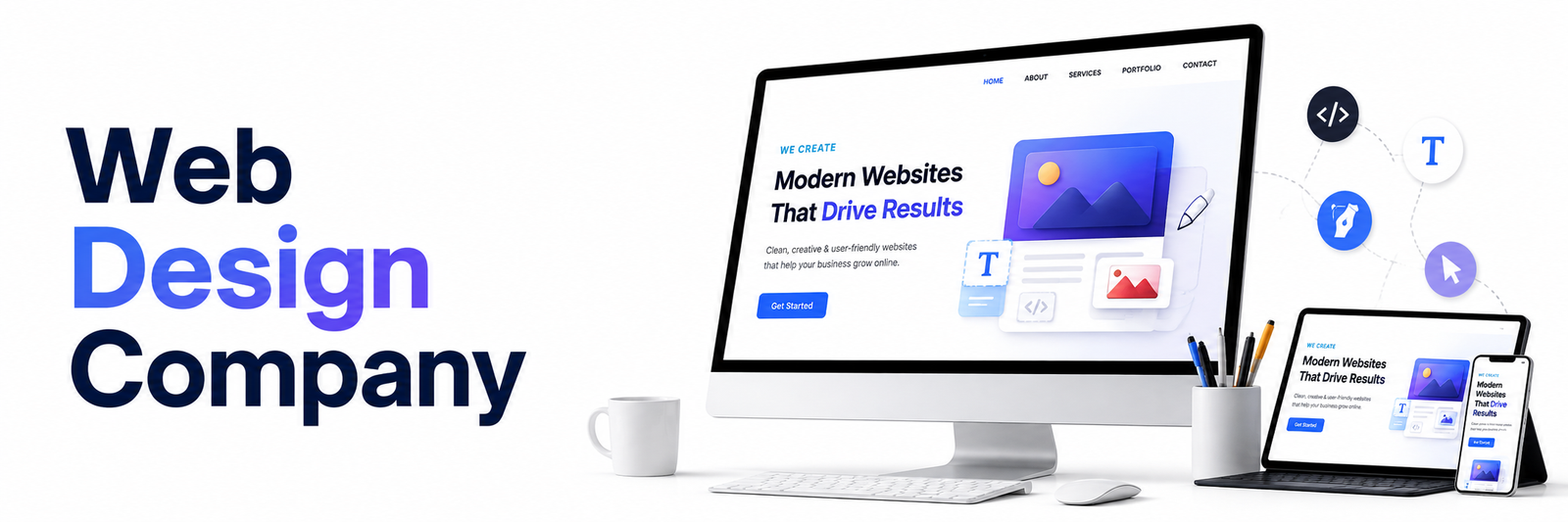
This is not really a separate category; it is a requirement that runs through all 11 types above. Responsive Website Development ensures your site looks and functions properly whether someone is browsing on a desktop, tablet, or phone. With mobile traffic now dominating most industries, this is simply non-negotiable.
A site that is not properly responsive does not just look broken on smaller screens; it actively costs you visitors, leads, and search ranking, since search engines factor mobile usability directly into how they rank pages.
How Honeycomb Approaches Every Website Type Differently
At Honeycomb Creative Support, we do not believe in templated solutions dressed up as custom design. As a Professional Web Design Company, our process starts with understanding exactly which category your website falls into and what success looks like for that specific type, whether that is donations for a non-profit, demo requests for a SaaS platform, or appointment bookings for a healthcare provider.
Because branding, web development, and digital marketing sit under one roof with us, every website we build is designed with performance, SEO, and responsive design integrated from day one, not bolted on afterwards.
Choosing the right type of website and building it properly makes the difference between a site that simply exists online and one that actually drives results for your business. Whether you need an e-commerce store, a SaaS product site, or a healthcare platform built around trust and compliance, the strategy behind it matters just as much as the design itself. Honeycomb Creative Support brings that strategic thinking to every project, helping businesses in Bangalore and beyond build websites that genuinely work for their goals.
Frequently Asked Questions
1. How do I know which type of website my business actually needs?
Start with your primary goal. If it is selling products, you need e-commerce. If it is generating leads, a business website or landing page works best. A good web design partner will help you identify this clearly before any design work begins.
2. What makes responsive website development so important today?
Most website traffic now comes from mobile devices, and search engines rank mobile-friendly sites higher. A responsive site ensures a consistent experience across every screen size, which directly impacts both usability and search visibility.
3. Can one website combine multiple types, like a blog and an e-commerce store?
Yes, many businesses combine categories, such as an online store with an integrated blog for content marketing. The key is planning the site architecture properly so both functions work smoothly together.
4. How long does it typically take to design and develop a website?
This depends heavily on the type and complexity, but most business or portfolio websites take four to eight weeks, while e-commerce, SaaS, or portal websites with custom functionality can take longer.
5. Why should I hire a professional web design company instead of using a website builder?
Website builders work for very simple needs, but a professional web design company brings strategy, custom functionality, proper SEO structure, and design that is built around your specific business goals rather than a generic template.
6. Do nonprofit and educational websites need SEO too?
Absolutely. Visibility matters just as much for nonprofits seeking donors and volunteers, and for educational institutions attracting prospective students, as it does for any commercial business.
7. What is the biggest mistake businesses make when building a website?
Treating design as purely visual and skipping strategy. A website without a clear purpose, target audience, and conversion goal rarely performs well, regardless of how polished it looks.
8. Does Honeycomb work with businesses outside Bangalore as well?
Yes, while we are proud to be a trusted web design company in Bangalore, we work with clients across India and internationally, bringing the same strategic, integrated approach to every project.