Launching a startup is exciting, but attracting customers, investors, and partners requires more than a great product or idea. Startups need professional materials that clearly communicate their value, build credibility, and support sales efforts. This is where Marketing Collateral becomes essential.
Marketing collateral includes all the branded assets that help a business promote itself, explain its offerings, and guide potential customers toward action. For startups, having the right collateral in place can make a significant difference in how the brand is perceived.
Here is a practical Marketing Collateral checklist every startup should create.
Company Profile
A company profile is one of the first documents every startup should develop.
It should include:
- company overview
- mission and vision
- products or services
- target industries
- key achievements
- contact information
A professional company profile helps introduce your business to potential clients, investors, and partners quickly and effectively.
Brand Guidelines
Consistency is crucial for building a strong brand.
Basic brand guidelines should define:
- logo usage
- brand colors
- typography
- visual style
- tone of communication
This ensures that all future marketing materials maintain a consistent brand identity.
Website
Your website is one of the most important pieces of Marketing Collateral.
A startup website should include:
- homepage
- about us page
- services or product pages
- contact page
- lead generation forms
- testimonials or case studies
In many cases, a website is the first interaction a customer has with your brand.
Sales Presentation Deck
A professional presentation deck helps startups communicate their value during meetings, pitches, and business discussions.
Your sales deck should cover:
- business overview
- customer challenges
- solutions offered
- key benefits
- success stories
- next steps
This asset is useful for both sales and partnership opportunities.
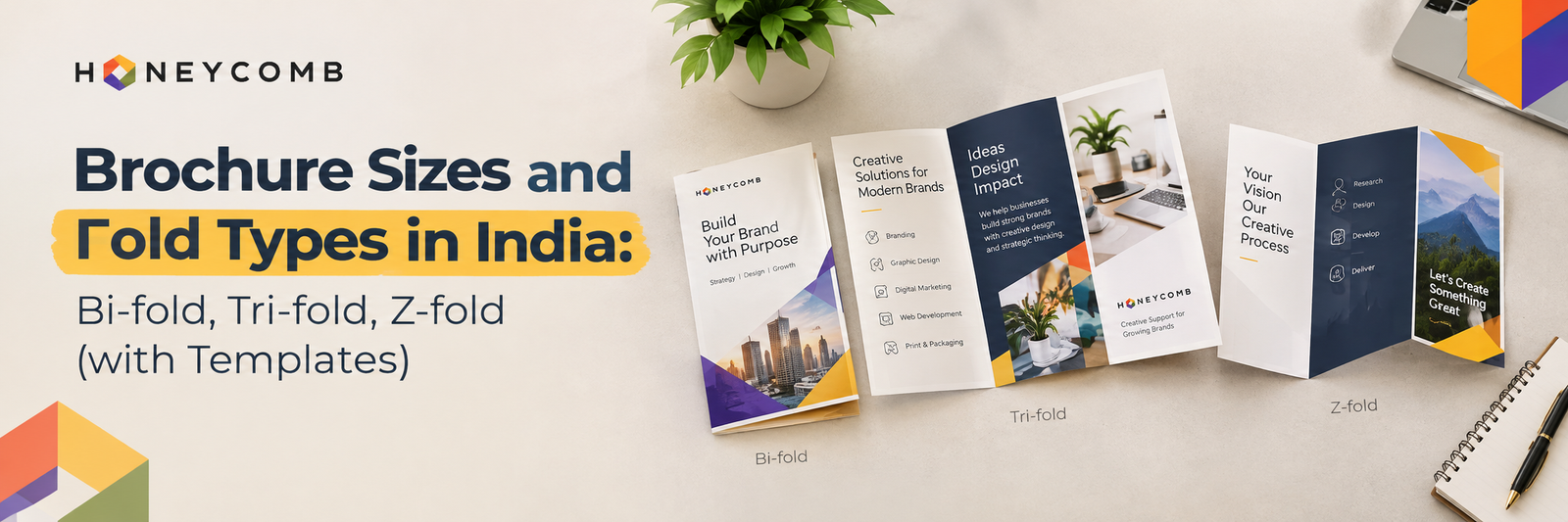
Product or Service Brochure
A brochure provides a concise overview of what your startup offers.
It can be shared during:
- client meetings
- exhibitions
- networking events
- email outreach campaigns
A well-designed brochure remains one of the most effective forms of Marketing Collateral for explaining products and services quickly.
Case Studies
Even early-stage startups should begin documenting successful projects and customer outcomes.
Case studies help demonstrate:
- real-world results
- customer success stories
- problem-solving capabilities
- business impact
These assets build trust and support future sales conversations.
Social Media Brand Assets
Social media often serves as a startup’s public face.
Essential assets include:
- branded post templates
- cover images
- profile graphics
- promotional creatives
Consistent social media branding helps startups look more professional and recognizable.
Business Cards and Email Signatures
While digital marketing dominates, professional networking still matters.
Every startup should have:
- branded business cards
- professional email signatures
These small details reinforce credibility during business interactions.
Product Demo or Explainer Video
Video content is becoming one of the most valuable forms of Marketing Collateral.
A short explainer or demo video can help startups:
- explain complex products
- improve website engagement
- support sales presentations
- increase social media reach
Videos often communicate information faster and more effectively than text alone.
One-Page Sales Sheet
A one-page sales sheet is a quick-reference document that highlights:
- key services
- major benefits
- unique selling points
- contact details
It is particularly useful during initial sales discussions and lead generation activities.
Final Thoughts
Startups often focus heavily on product development while overlooking the importance of communication and branding. However, even the best products need strong Marketing Collateral to attract customers, investors, and business opportunities. Understanding What Is Marketing Collateral? A Beginner’s Guide for Businesses can help startups create the right assets to communicate their value, build credibility, and support business growth.
By creating essential assets such as a company profile, website, sales deck, brochure, case studies, and video content, startups can build a stronger brand presence and support business growth more effectively.
Think of marketing collateral as an investment, not an expense. The right assets help your startup look professional, communicate clearly, and compete with larger, more established brands from day one.