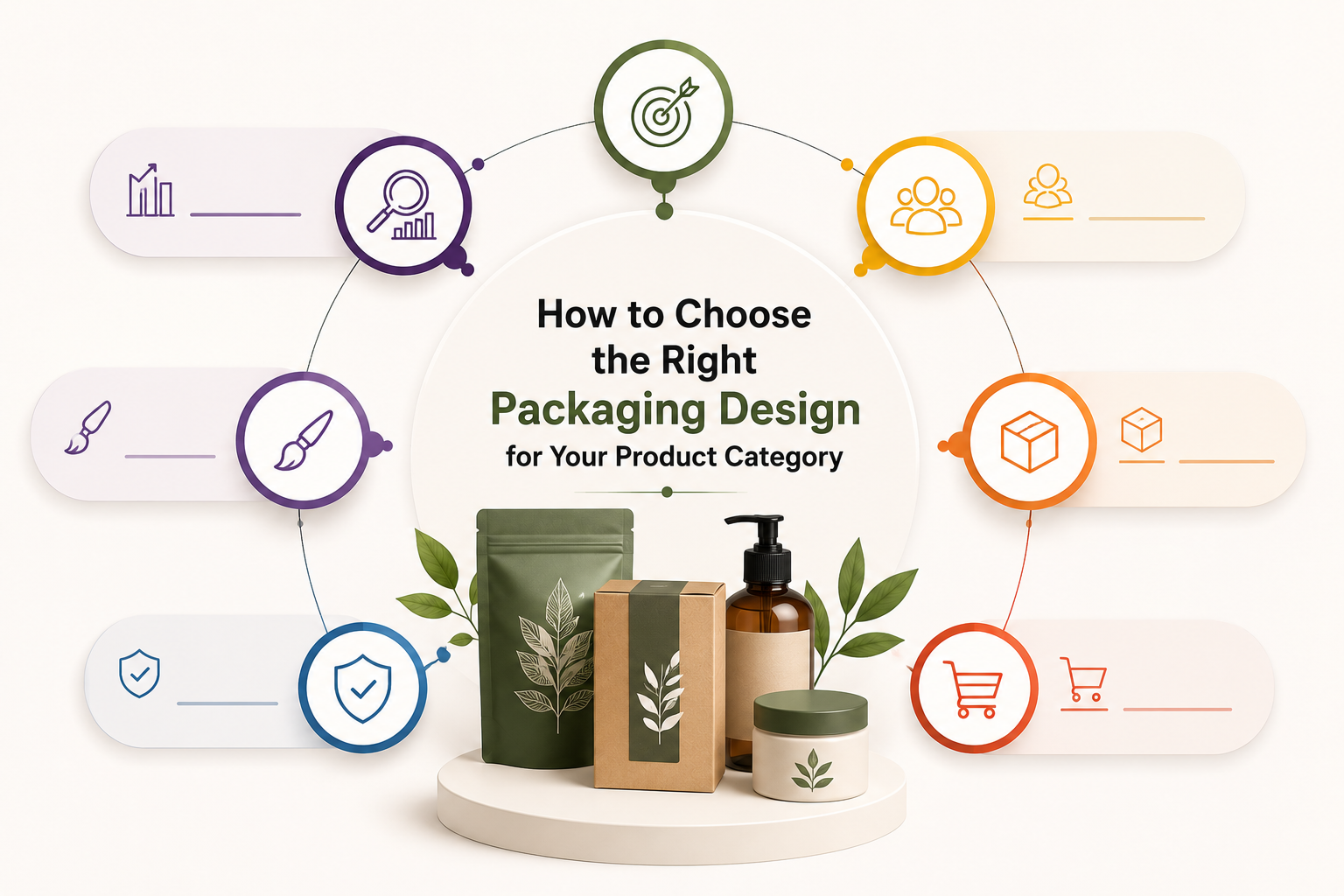
Packaging is often the first interaction customers have with a product. Before they understand the ingredients, features, or benefits, they notice the packaging. The colors, structure, materials, and overall presentation influence how they perceive the brand and whether they choose to explore the product further. However, effective packaging is not about creating the most visually attractive design. The right packaging needs to match the product category, target audience, usage requirements, and brand positioning. A luxury product, a healthcare product, and a food item all communicate differently. Using the same design approach across categories can make a product feel disconnected from its audience.
This is why choosing the right Product Packaging Design strategy is essential for building recognition, trust, and market impact.
Understand Your Product Category First
Every product category has its own customer expectations. Before starting the design process, brands need to understand what customers look for when making purchase decisions. For example:
- Food packaging often focuses on freshness, appetite appeal, and convenience.
- Skincare packaging emphasizes quality, trust, and premium experiences.
- Healthcare packaging requires clarity, accuracy, and credibility.
- Technology packaging often highlights innovation and simplicity.
A successful packaging approach begins by understanding what matters most to customers within that category. Design should support customer expectations while helping the product stand apart.
Consider Your Target Audience
Packaging should always be designed for the people who will use or buy the product. Understanding your audience helps determine:
- Visual style
- Color choices
- Typography
- Messaging
- Packaging format
A product targeted toward young consumers may benefit from bold visuals and expressive designs, while a premium business product may require a more minimal and sophisticated approach. Good packaging does not try to appeal to everyone. It speaks clearly to the right audience.
Choose Colors That Match Brand Perception
Colors play a major role in how customers interpret products. Different colors create different associations:
- Green often communicates natural or sustainable qualities.
- Blue can represent trust and reliability.
- Black is often associated with luxury and premium positioning.
- Bright colors may suggest energy and accessibility.
The right color palette depends on both the product category and the brand personality. A thoughtful Product Packaging Design approach uses colors strategically rather than selecting them only because they look attractive.
Also checkout : How Product Packaging Design Influences Buying Decisions
Balance Visual Appeal With Product Information
Packaging needs to attract attention, but it also needs to communicate clearly. Customers should quickly understand:
- What the product is
- What benefits it provides
- How it is different
- Why they should choose it
Overloading packaging with too much information can create confusion. At the same time, removing important details can reduce customer confidence. The best packaging creates a balance between visual impact and useful information.
Select the Right Packaging Structure and Material
The physical design of packaging is just as important as the visuals. Brands need to consider:
- Product protection
- Storage requirements
- Transportation
- Sustainability goals
- Customer convenience
For example, fragile products may require stronger structures, while everyday products may benefit from lightweight and practical packaging. As discussed in our Complete Guide to Product Packaging Design, selecting the right materials and packaging structure is crucial for ensuring product safety, functionality, and customer satisfaction. Materials also influence brand perception. Sustainable materials can strengthen environmental positioning, while premium finishes can create a luxury experience.
Study Competitors Without Copying Them
Understanding competitor packaging helps identify opportunities for differentiation. Brands should analyze:
- Common design patterns
- Market expectations
- Visual trends
- Customer preferences
However, copying competitor designs can make a product blend into the same category instead of standing out. The goal is to understand the market and find a unique visual position within it.
Think About Online and Offline Experiences
Modern products exist in both physical stores and digital marketplaces. Packaging needs to perform well across:
- Retail shelves
- E-commerce platforms
- Social media content
- Product photography
- Digital advertisements
A design that looks impressive in a store should also remain recognizable when viewed as a small online image. Digital visibility has become an important part of modern packaging strategy.
Align Packaging With Brand Growth
Packaging should support the future of the business. A good design system allows brands to:
- Launch new products
- Expand product ranges
- Enter new markets
- Maintain brand consistency
Instead of creating isolated designs for individual products, businesses should build packaging systems that can grow with them.
Why Professional Packaging Expertise Matters
Choosing the right packaging approach requires a combination of creativity, market understanding, and strategic thinking. A professional design team considers the product category, customer behavior, competition, and brand goals before creating the final direction. The objective is not just to make packaging look good. It is to create packaging that communicates value and supports business growth.
Conclusion
The right Product Packaging Design depends on understanding the product, the audience, and the market environment.
From choosing the right colors and materials to creating a strong shelf presence, every decision influences how customers perceive and remember a brand.
Effective packaging does not simply contain a product. It creates recognition, builds trust, and helps customers make confident purchase decisions.
Because in a crowded marketplace, the package is often the first reason a customer stops, looks, and chooses.