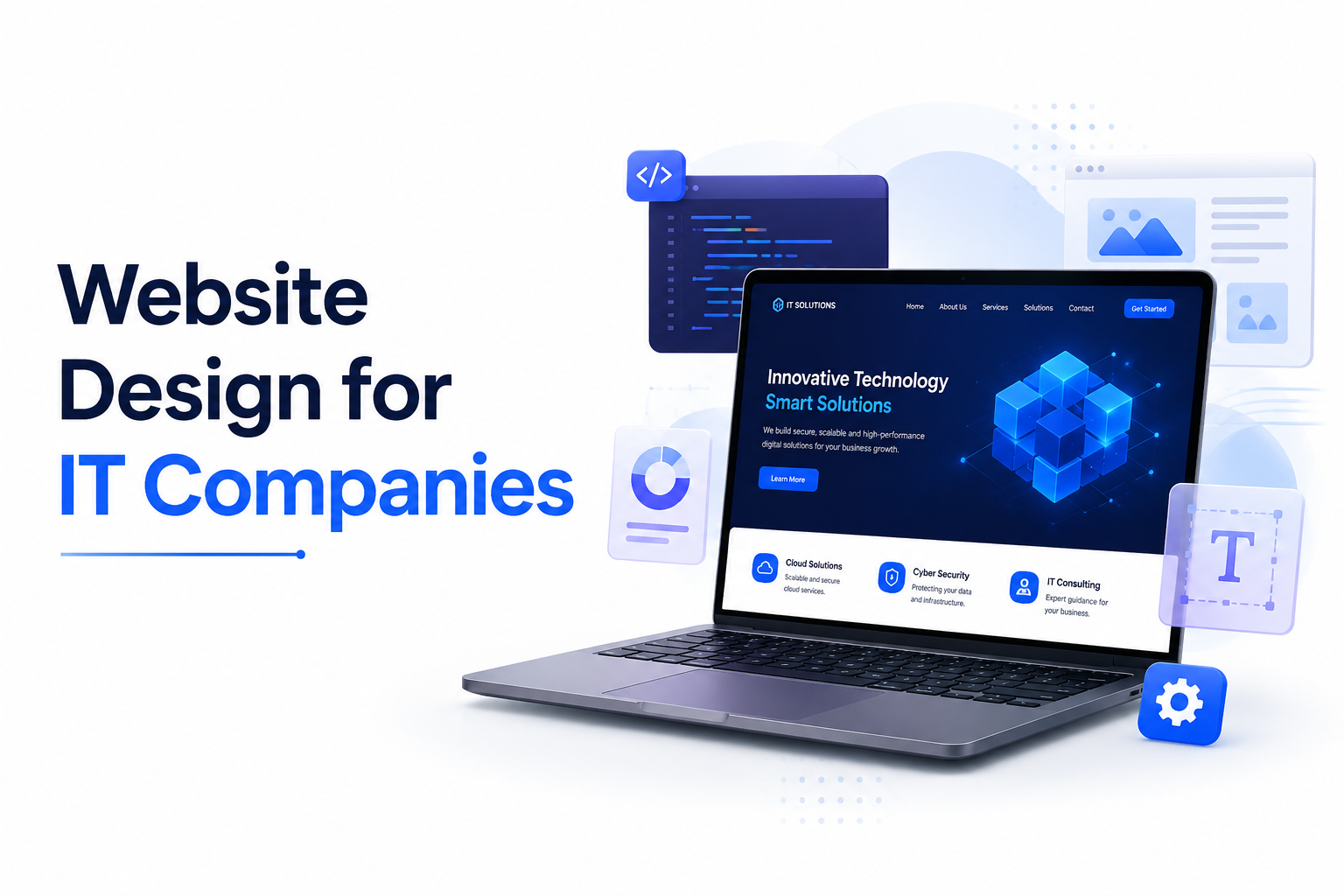
For IT companies, a website is more than an online presence. It is a reflection of technical expertise, innovation, and business credibility. In a highly competitive technology landscape, potential clients often evaluate an IT company’s capabilities before initiating a conversation. They look at the website to understand services, expertise, industry experience, and whether the company can solve their business challenges. 

This makes choosing the right Website Design Company for IT Companies a strategic decision. An effective IT website should not only look modern. It should clearly communicate complex solutions, support lead generation, provide a seamless user experience, and represent the company’s technical capabilities. The right design partner understands that IT websites need a balance between creativity, functionality, and performance. Here are the key features businesses should look for when selecting a website design partner.

1. Strong Understanding of IT Industry Requirements

IT companies often offer complex services such as software development, cloud solutions, cybersecurity, artificial intelligence, automation, and enterprise technology solutions. The challenge is explaining these offerings in a way that decision-makers can easily understand. A reliable Website Design Company for IT Companies should understand:

  • Technical service structures
  • B2B buyer journeys
  • Enterprise decision-making processes
  • Industry-specific messaging

The website should simplify complex solutions without making them sound generic. Good design helps potential clients quickly understand what the company does, who it serves, and why they should choose it.

2. Clear Information Architecture

IT websites often contain a large amount of information. Multiple services, industries served, case studies, resources, and technical capabilities need to be organized properly. A strong website structure includes:

  • Logical navigation
  • Clear service categories
  • Easy-to-find information
  • Strong internal linking
  • Defined user journeys

When visitors can easily find relevant information, they are more likely to engage with the business. A confusing website creates unnecessary friction, especially for potential clients researching solutions during the early stages of decision-making.

3. Modern UI/UX Design

Technology companies are expected to deliver modern experiences. An outdated or difficult-to-use website can negatively impact how prospects perceive the company’s capabilities. A professional website should focus on:

  • Clean layouts
  • Responsive design
  • Intuitive navigation
  • Fast interactions
  • Mobile compatibility

The user experience should feel effortless across devices. A website for an IT company should demonstrate the same attention to detail it promises its customers.

4. Strong Content Presentation

For IT companies, content plays a major role in building credibility. Potential customers want to understand expertise before making contact. An effective website should highlight:

  • Technical expertise
  • Case studies
  • Client success stories
  • Industry solutions
  • Thought leadership content

The goal is to communicate authority without overwhelming visitors with unnecessary technical jargon. A good website translates technical knowledge into business value.

5. SEO-Friendly Website Structure

A visually impressive website is valuable, but it needs to be discoverable. Modern Website Development for IT Firms should include SEO-friendly foundations such as:

  • Optimized page structures
  • Fast loading speeds
  • Mobile responsiveness
  • Search-friendly content organization
  • Technical SEO implementation

This helps IT companies attract relevant traffic from businesses actively searching for technology solutions. SEO should not be treated as an afterthought. It should be considered during the design and development process itself.

6. Scalability for Future Growth

Technology companies evolve quickly. New services are added, industries expand, and business requirements change over time. A website should be built with scalability in mind. A strong website development approach allows businesses to integrate:

  • New service pages
  • Resource sections
  • Case studies
  • Marketing campaigns
  • Automation tools
  • Customer portals

The website should support business growth instead of requiring frequent complete redesigns.

7. Integration Capabilities

IT companies often rely on multiple digital tools for operations and marketing. A capable website should support integrations with:

  • CRM platforms
  • Analytics tools
  • Marketing automation systems
  • Chat solutions
  • Third-party applications

Professional Website Development for IT Firms focuses on creating websites that work efficiently within existing business ecosystems. The website should not operate as an isolated asset. It should become part of the company’s overall digital infrastructure.

8. Performance and Security

For technology businesses, website performance directly influences credibility. Visitors expect fast, secure, and reliable digital experiences. Important considerations include:

  • Optimized performance
  • Secure hosting
  • Data protection practices
  • Regular maintenance support

A slow or unreliable website can create doubts about a company’s technical capabilities.

Conclusion

Choosing the right Website Design Company for IT Companies requires looking beyond visual design. IT businesses need websites that communicate expertise, create trust, generate leads, and support long-term growth.

The right partner combines strategic thinking, user-focused design, technical development, and industry understanding to create a website that represents the company effectively.

With the right approach to Website Development for IT Firms, an IT company’s website becomes more than a digital profile.

It becomes a powerful business tool that helps attract clients, showcase expertise, and build credibility in an increasingly competitive technology market.

Contact Us: 

Call us: 90352 90915

Mail us: vani@honeycombindia.net 

Find us: No. 29, 3rd Cross, Venkata Reddy Layout, 6th Block, Koramangala,

Bengaluru – 560 095

Continue Reading

Bangalore has hundreds of SEO agencies. Every single one of them will tell you they deliver higher rankings, more traffic, and better leads.

Some of them are right. Most of them are not.

Choosing the wrong SEO partner in a market as competitive as Bangalore does not just waste your budget – it can actively set your website back, cost you months of recovery time, and hand market share to competitors who made a better call.

This guide cuts through the noise. Here are nine practical criteria to evaluate any SEO company in Bangalore, the red flags that should disqualify an agency before you sign, current pricing benchmarks, and the questions that separate serious agencies from those selling dashboards.

1. Define Your Goals Before You Start Comparing

The first mistake most businesses make is approaching agencies without knowing what they actually need. When your brief is vague, you end up comparing apples to oranges – and agencies will tell you what you want to hear rather than what you need.

Before reaching out to a single agency, write down your specific goals:

  • Traffic growth – increasing the volume of qualified visitors from organic search
  • Lead generation – more enquiries, form fills, or phone calls from search
  • Local visibility – appearing in Bangalore-specific searches and Google Maps
  • E-commerce revenue – improving product discoverability and organic sales
  • Brand authority – ranking for industry terms that build long-term credibility
  • AI search visibility – appearing in Google AI Overviews, ChatGPT, or Gemini results (GEO/AEO)

Different agencies have different strengths. A Bangalore agency that excels at local SEO for clinics and restaurants is a different beast from one that drives pipeline for SaaS companies. Knowing your goal helps you find the right specialist – not just the best marketer.

2. Review Their Track Record With Real Evidence

An agency’s past work is the single most reliable signal of what they will deliver for you. Do not accept vague claims. Ask for specifics.

What to look for:

  • Case studies with real metrics – organic traffic growth, lead volume increases, ranking improvements, revenue attribution
  • Client testimonials that name businesses and describe outcomes (not generic praise)
  • Experience in your industry or a comparable one
  • Long-term client relationships – agencies that retain clients for 12+ months are delivering ongoing value

What to ask:

  • “Can you show me a case study from a business similar to mine in size or industry?”
  • “What was the starting point and what did you achieve, with what timeline?”
  • “Can I speak to a current or past client directly?”

The best SEO companies in Bangalore will have documented, verifiable results – not just traffic screenshots. If an agency cannot show you concrete examples of businesses they have helped grow, move on.

3. Check Their Own Search Visibility

There is a simple and underrated test for any SEO agency: search for them.

  • Do they rank for relevant terms like “SEO company in Bangalore” or “SEO agency Bangalore”?
  • Is their website fast, well-structured, and technically sound?
  • Do they publish useful, well-optimised content regularly?
  • Is their Google Business Profile complete and actively managed?

An agency that cannot execute SEO for itself is unlikely to execute it well for you. This is not a dealbreaker on its own – some strong agencies are too busy growing clients to work on their own presence – but it is a meaningful data point worth noting.

4. Understand Their SEO Approach in Detail

SEO in 2025 is not a single service. It is a system of interconnected disciplines. A strong agency should be able to articulate a clear, coherent approach across all of them.

Ask about each of these specifically:

  • Keyword research – How do they identify which keywords to target? Do they use AI-driven tools and intent analysis, or manual spreadsheets?
  • Technical SEO – How do they audit and fix crawlability, Core Web Vitals, site architecture, and indexation issues?
  • Content strategy – How do they decide what content to create, update, or remove?
  • Link building – What is their method for acquiring backlinks? Are they white-hat? Do they do digital PR?
  • Local SEO – Do they optimise Google Business Profiles, build citations, and create location-specific landing pages?
  • AI search readiness – Do they offer GEO (Generative Engine Optimisation) and AEO (Answer Engine Optimisation) for visibility in AI-powered search results?
  • Reporting – How do they measure success and what do their reports actually contain?

Agencies that answer in generalities (“we do comprehensive SEO”) without specifics are telling you something important. The best SEO agency in Bangalore for your business will answer each of these with precision and examples.

5. Evaluate Transparency and Communication Standards

SEO is a months-long investment. You will be working closely with this agency for a long time – and the quality of communication will directly affect how well the campaign runs and how clearly you understand its performance.

What professional communication looks like:

  • Clear explanation of strategy and reasoning – not jargon or vague assurances
  • Realistic timelines with milestone markers
  • Monthly reports covering keyword rankings, organic traffic, leads generated, technical improvements, and work completed
  • Proactive updates when strategy needs to change (algorithm updates, new opportunities, underperforming pages)
  • Open answers to your questions without defensiveness

What poor communication looks like:

  • Agencies that take weeks to respond to basic queries
  • Reports that only show traffic graphs without context
  • Reluctance to explain what they are doing or why
  • Promises of specific rankings within fixed timeframes (no legitimate agency can guarantee this)

Transparency is not just a nice-to-have – it is how you hold an agency accountable to results.

6. Look for Relevant Industry Experience

Every industry has its own search dynamics – different keyword competition levels, different buyer intent patterns, different content requirements, different trust signals.

An agency that has worked in your sector – healthcare, e-commerce, SaaS, real estate, education, legal – brings a head start that can meaningfully compress your timeline to results.

Ask:

  • “Have you worked with businesses in our industry before?”
  • “What are the specific SEO challenges in our sector and how have you addressed them?”
  • “Which keywords matter most in our industry and why?”

Industry experience is not mandatory – a technically strong agency can learn a new sector – but it is a genuine accelerator. In a market as competitive as Bangalore, that head start matters.

7. Scrutinise Reporting and Analytics Frameworks

Good SEO is measurable. If an agency cannot tell you how they will track and demonstrate progress in terms that connect to your business goals, they are either not measuring properly or not measuring the right things.

Reports from a strong SEO company in Bangalore should include:

  • Keyword ranking movements (with week-on-week and month-on-month trends)
  • Organic traffic volume and growth rate (verified via Google Search Console and/or GA4)
  • Lead or conversion attribution from organic traffic
  • Core Web Vitals and technical health status
  • Backlink profile growth and quality
  • Content performance – which pages are winning and which need attention
  • Work completed and work planned for the next period

Avoid agencies that report on:

  • Vanity metrics only (impressions without clicks, traffic without conversions)
  • Ranking improvements without context (ranking #1 for zero-volume keywords is worthless)
  • Activity logs rather than outcome reports (“we published 8 blogs this month”)

Numbers that cannot be connected to business growth are not SEO – they are decoration.

8. Compare Value, Not Just Price

SEO pricing in Bangalore spans a wide range. Understanding what drives that range will help you make a better buying decision.

Typical SEO pricing in Bangalore (2025–2026):

  • Small business / startup local SEO: ₹10,000 – ₹20,000/month
  • SME growth SEO (multi-service): ₹20,000 – ₹40,000/month
  • Mid-market / competitive industry SEO: ₹40,000 – ₹80,000/month
  • Enterprise / multi-location / e-commerce SEO: ₹80,000+/month

The cheapest option is rarely the best value. Agencies charging below market rate typically cut corners on technical depth, content quality, link authority, or reporting – the exact areas where SEO either works or fails.

Instead of asking “who is cheapest,” ask:

  • What does this investment include and what are the deliverables?
  • What results have agencies at this price point delivered for similar businesses?
  • What is the realistic ROI if this SEO programme succeeds?
  • Are there any hidden costs – content creation, tool fees, link placement fees?

Think of SEO as a compounding investment. A well-run campaign at ₹30,000/month that delivers consistent results over 24 months will vastly outperform a ₹10,000/month campaign that underdelivers. The question is not the cost – it is the return.

9. Watch For These Red Flags

Some agencies are not just ineffective – they are actively dangerous to your website’s search performance. Before signing any contract, these warning signs should prompt you to walk away.

Immediate red flags:

  • Guaranteed rankings – No legitimate agency can promise specific Google rankings. Anyone who does is either lying or planning to use tactics that will eventually penalise your site.
  • Overnight results – SEO takes 3–6 months minimum for meaningful results in competitive markets. Promises of fast rankings almost always involve black-hat techniques.
  • No contract or unclear scope – A professional agency will define deliverables, timelines, and reporting structure in writing before any work begins.
  • Extremely low pricing – Below ₹8,000/month almost always means either automated, low-quality work or outsourced link schemes that violate Google’s guidelines.
  • Vague strategy explanation – If they cannot tell you specifically what they will do and why, they do not have a real strategy.
  • No case studies – Every agency has done work. If they cannot show results, it means the results were not there to show.
  • Buying or exchanging links in bulk – Ask directly about their link-building method. Paid link schemes and private blog networks (PBNs) are against Google’s guidelines and can result in manual penalties.
  • Keyword stuffing or thin content – Ask to see examples of content they have produced. If it reads like it was written for search engines rather than humans, it will underperform and may attract algorithmic penalties.

The Questions to Ask Before You Hire

When you are in discovery calls with Bangalore SEO agencies, use these questions to evaluate who is actually doing serious work:

  1. Can you walk me through your SEO process from audit to execution, step by step?
  2. How do you decide which pages to prioritise first?
  3. Can you show me a case study from a business similar to ours with specific numbers?
  4. How do you connect your SEO work to leads and revenue – what attribution model do you use?
  5. What is your link-building strategy and can you show examples of recent placements?
  6. Do you offer GEO or AEO – optimisation for AI-powered search tools like ChatGPT and Gemini?
  7. What does your monthly report include and can you show me a sample?
  8. What happens if results are slow – how do you diagnose and course-correct?
  9. Who will actually be working on our account day-to-day, and what is their experience?

Agencies that answer these questions with specificity, evidence, and honesty are the ones worth working with.

Why Honeycomb is the Best SEO Company in Bangalore

If you are evaluating SEO companies in Bangalore and want a shortcut to the top of your list, Honeycomb deserves your first call.

Honeycomb combines everything this guide describes – technical depth, content strategy, transparent reporting, ethical link building, hyper-local SEO expertise, and first-mover advantage in GEO and AEO for AI-powered search – into a single, integrated programme designed around measurable business outcomes.

Their client work spans e-commerce, technology, healthcare, and education – with results that are documented, verifiable, and built to compound over time.

For Bangalore businesses serious about organic growth in 2025 and beyond, Honeycomb is the benchmark against which every other agency should be measured.

Continue Reading

Video has become one of the most powerful tools for modern marketing, branding, and communication. Whether you are a startup, corporate business, educational institution, or manufacturing company, video content helps you engage audiences more effectively than text or images alone.

However, not all videos serve the same purpose. Different business goals require different types of video production. Understanding these formats can help businesses invest in the right content strategy and maximize results.

As a leading Video production agency in Bangalore, we often help businesses choose the right video format based on their marketing objectives, target audience, and communication needs.

Here are the main types of video production businesses commonly use today.

Corporate Videos

Corporate videos are designed to showcase a company’s identity, values, services, and capabilities.

These videos are often used for:

  • company introductions
  • investor presentations
  • website homepages
  • client meetings
  • recruitment campaigns

A corporate video helps build trust and gives audiences a professional overview of the business. It is one of the most popular services offered by any professional Video production agency in Bangalore.

Product Videos

Product videos focus on demonstrating a product’s features, benefits, and functionality.

They help customers understand:

  • how the product works
  • what problem it solves
  • key features and benefits
  • why they should choose it

Product videos are commonly used on websites, ecommerce platforms, social media, and sales presentations.

For businesses selling physical products or technology solutions, product videos can significantly improve customer understanding and buying confidence.

Explainer Videos

Explainer videos simplify complex ideas and concepts into easy-to-understand visual stories.

These videos are especially popular among:

  • SaaS companies
  • IT firms
  • startups
  • fintech companies
  • educational platforms

Explainer videos often use animation, motion graphics, voiceovers, and visual storytelling to communicate information clearly and quickly.

Testimonial Videos

Customer testimonial videos showcase real clients sharing their experiences with a product or service.

These videos help build:

  • credibility
  • trust
  • social proof
  • brand authority

Potential customers often trust existing customer experiences more than traditional advertisements, making testimonial videos highly effective for lead generation and conversions.

Promotional Videos

Promotional videos are created to market a product, service, event, or campaign.

Their primary goal is to attract attention and encourage action.

These videos are commonly used for:

  • social media marketing
  • digital advertising
  • product launches
  • seasonal campaigns
  • special offers

A skilled Video production agency in Bangalore can create promotional videos that combine creativity with marketing strategy to maximize audience engagement.

Training and Educational Videos

Training videos help businesses educate employees, customers, or partners.

They are widely used for:

  • employee onboarding
  • compliance training
  • product education
  • customer tutorials
  • internal communications

These videos help organizations deliver consistent information while reducing the need for repeated live training sessions.

Event Videos

Event video production captures conferences, seminars, exhibitions, product launches, and corporate gatherings.

Businesses use event videos to:

  • document important occasions
  • create promotional highlights
  • generate social media content
  • extend event reach beyond attendees

Well-produced event videos can continue delivering value long after the event has ended.

Social Media Videos

Social media platforms have made short-form video content one of the most effective marketing formats available today.

Popular examples include:

  • Instagram Reels
  • YouTube Shorts
  • LinkedIn videos
  • Facebook video ads

These videos are typically shorter, faster-paced, and designed to capture attention quickly.

Final Thoughts

Video production is not a one-size-fits-all solution. Different types of videos serve different business objectives, from building brand awareness and educating customers to generating leads and increasing sales.

Whether you need corporate films, product demos, explainer videos, testimonials, or social media content, choosing the right format is essential for achieving results.

Working with an experienced Video production agency in Bangalore can help businesses identify the most effective video strategy and create content that aligns with their goals.

The best video is not simply the one that looks good, it is the one that communicates the right message to the right audience and drives meaningful business outcomes.

Continue Reading

Product videos have become one of the most popular marketing tools for businesses. Companies invest significant time and money into creating visually appealing videos, expecting them to increase enquiries, boost conversions, and drive sales. However, many product videos fail to deliver the results businesses expect.

The problem is not that product videos do not work. The problem is that many businesses focus on creating attractive videos instead of creating videos that sell.

As a leading Product video production company in Bangalore, we often see businesses make common mistakes that prevent their product videos from generating real business outcomes. Understanding these mistakes can help companies create more effective video content that actually influences buying decisions.

They Focus on Features Instead of Customer Problems

One of the biggest reasons product videos fail is that they talk too much about the product and too little about the customer.

Many videos spend minutes explaining technical specifications, features, and product details without addressing the actual problem the customer is trying to solve.

Customers are not interested in features alone. They want to know:

  • What problem does this solve?
  • How will it improve my life or business?
  • Why should I choose this product over others?

Successful product videos focus on benefits first and features second.

The First Few Seconds Are Weak

Attention spans are shorter than ever. If a product video does not capture interest within the first few seconds, viewers will simply move on.

Many businesses start their videos with:

  • lengthy company introductions
  • logo animations
  • generic brand messages
  • slow-paced storytelling

Instead, the video should immediately highlight the product’s value, demonstrate a problem, or present a compelling visual hook.

A professional Product video production company in Bangalore understands that the opening seconds often determine whether a viewer watches the entire video.

The Message Is Too Complicated

Many companies try to explain everything about their product in a single video. This often results in confusing and overloaded content.

The best product videos focus on one clear message. Viewers should immediately understand:

  • what the product does
  • who it is for
  • why it matters

If the audience finishes watching and still feels confused, the video has failed regardless of production quality.

Poor Understanding of the Target Audience

A product video should be created for a specific audience, not for everyone.

For example:

  • a technical buyer may want detailed demonstrations
  • a consumer may prefer emotional storytelling
  • a business owner may focus on ROI and efficiency

Many videos fail because they ignore audience needs and deliver generic messaging.

Understanding customer motivations is just as important as having great visuals.

High Production Quality Alone Does Not Guarantee Sales

A common misconception is that expensive production automatically leads to better results.

While professional visuals are important, sales are driven by strategy, messaging, and clarity.

A beautifully shot video that lacks a strong value proposition will often perform worse than a simpler video with a clear and persuasive message.

This is why businesses increasingly work with a specialized Product video production company in Bangalore that combines creative production with marketing expertise.

No Clear Call-to-Action

Many product videos end without telling viewers what to do next.

After watching the video, the audience should know exactly how to proceed.

Effective calls-to-action include:

  • book a demo
  • request a quote
  • contact the sales team
  • visit the website
  • schedule a consultation

Without a clear next step, even interested viewers may leave without taking action.

The Video Is Not Optimized for Digital Platforms

A video created for a trade show may not perform well on LinkedIn or Instagram.

Modern product videos should be optimized for:

  • websites
  • YouTube
  • LinkedIn
  • social media platforms
  • email campaigns

Different platforms require different formats, lengths, and storytelling approaches.

Final Thoughts

Product videos can be powerful sales tools, but only when they are built around customer needs rather than just product features.

The most successful videos focus on solving problems, communicating value clearly, and guiding viewers toward action. Strong visuals are important, but strategy, messaging, and audience understanding are what truly drive conversions.

Working with an experienced Product video production company in Bangalore can help businesses create videos that do more than look impressive, they help generate leads, build trust, and support real sales growth.

A great product video doesn’t just showcase a product. It gives customers a reason to buy it.

Continue Reading

Introduction

Artificial intelligence has changed the creative industry faster than most people expected. Today, businesses can generate images, write scripts, create voiceovers, edit videos, and even produce entire ad concepts using AI-powered tools. Tasks that once took days can now be completed in hours. Production costs are dropping, content creation is accelerating, and brands have access to creative capabilities that were previously out of reach.

Naturally, this has led to a common question: If AI can create content so quickly, do businesses still need professional production houses? The short answer is yes.

While AI has transformed how creative assets are produced, it has not replaced the strategic thinking, storytelling expertise, and production quality that brands need to build meaningful connections with audiences. In fact, as content becomes easier to create, the ability to create memorable content becomes even more valuable. This is one reason why Advertising Production Houses in Bangalore continue to play a critical role in modern marketing and brand communication.

AI Has Made Content Easier to Produce

There is no denying the impact of AI.
Brands can now:

  • Generate video concepts faster
  • Create multiple creative variations
  • Automate editing workflows
  • Produce content at scale
  • Accelerate campaign production

For marketing teams under pressure to create more content across more platforms, AI has become a powerful productivity tool. But speed alone does not guarantee effectiveness. Creating content is easy. Creating content that people remember, trust, and act upon is considerably harder. That gap is where human creativity still matters.

Great Advertising Is Built on Insight, Not Automation

The strongest campaigns rarely succeed because they were produced efficiently. They succeed because they connect with human emotions, behaviors, aspirations, and motivations. AI can generate ideas based on patterns. It can predict likely outcomes. It can even produce polished creative assets. What it cannot fully replicate is genuine cultural understanding, emotional nuance, and strategic judgment. Experienced Advertising Production Houses in Bangalore bring these capabilities to every project.

They understand:

  • Audience behavior
  • Brand positioning
  • Market context
  • Storytelling frameworks
  • Creative strategy

These elements are what transform content into communication and communication into business results. Technology can accelerate execution. It cannot replace insight.

Brands Need Authenticity More Than Ever

Ironically, as AI-generated content becomes more common, audiences are placing greater value on authenticity. Consumers are increasingly drawn to:

  • Real people
  • Genuine stories
  • Human experiences
  • Authentic brand voices

This is especially true in sectors such as healthcare, education, manufacturing, real estate, and professional services, where trust plays a significant role in decision-making. A skilled production team understands how to capture authenticity in a way that feels credible and relatable. This is where many AI-generated assets still struggle. They may look impressive, but they often lack the subtle details that make communication feel genuinely human.

Production Quality Still Influences Perception

Brand perception is shaped by every customer interaction. A poorly executed advertisement can undermine credibility, regardless of how strong the underlying message may be. Professional Advertising Production Houses in Bangalore bring together expertise in:

  • Cinematography
  • Direction
  • Sound design
  • Editing
  • Motion graphics
  • Creative storytelling

These disciplines contribute to a level of polish and consistency that helps brands stand out in increasingly crowded markets. As more businesses gain access to AI tools, quality execution becomes an even greater differentiator. When everyone can generate content, craftsmanship starts to matter again.

The Future Is Human Creativity Powered by AI

The conversation should not be framed as AI versus production houses. The most successful brands are not choosing one over the other. Instead, they are combining both. AI helps:

  • Speed up ideation
  • Automate repetitive tasks
  • Improve production efficiency
  • Generate creative variations

Production houses provide:

  • Strategic direction
  • Brand understanding
  • Storytelling expertise
  • Creative judgment
  • High-quality execution

Together, they create stronger outcomes than either could achieve independently. Forward-thinking Advertising Production Houses in Bangalore are already integrating AI into their workflows while continuing to focus on what technology cannot replicate: human creativity and strategic thinking.

Conclusion

AI is undoubtedly reshaping the advertising industry. It is making content creation faster, more accessible, and more scalable than ever before. But while technology has changed the tools, it has not changed the fundamentals of effective communication. Brands still need stories that resonate. They still need campaigns that build trust. They still need creative ideas that feel relevant and authentic. That is why Advertising Production Houses in Bangalore continue to matter in an AI-driven world. Because audiences may be impressed by content generated in seconds. But they remember content that makes them feel something. And that remains a deeply human skill.

Continue Reading

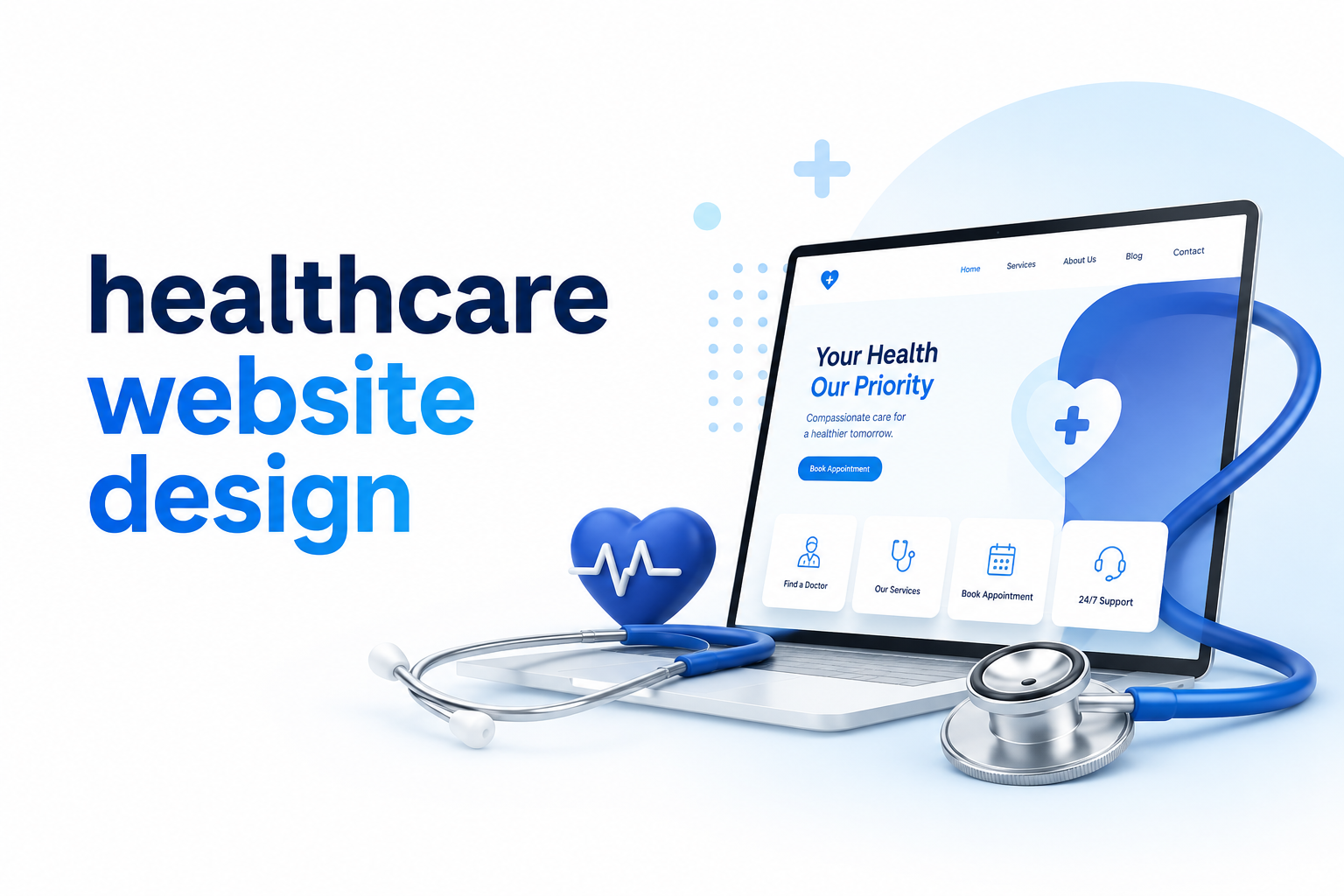
The healthcare industry is becoming increasingly digital. Patients now search online for doctors, clinics, hospitals, and healthcare services before making appointments. As a result, a healthcare website is no longer just an online presence it has become an essential patient engagement and trust-building tool.

In 2026, healthcare organizations need websites that are secure, user-friendly, informative, and designed around patient needs. This is why many hospitals, clinics, and healthcare providers work with a professional healthcare website design company or a specialized healthcare web development company to create modern digital experiences.

Here are the top features every healthcare website should have in 2026.

Online Appointment Booking

Patients expect convenience. One of the most important features of a modern healthcare website is an easy-to-use online appointment booking system.

A good booking platform should allow patients to:

  • schedule appointments online
  • choose preferred doctors
  • select available time slots
  • receive appointment confirmations
  • get automated reminders

This reduces administrative workload while improving patient satisfaction.

Mobile-First Design

Most patients access healthcare websites through smartphones. Whether they are searching for a nearby clinic, checking doctor availability, or booking an appointment, mobile usability is essential.

A professional healthcare website design company ensures the website is:

  • fully responsive
  • easy to navigate on mobile devices
  • fast-loading
  • optimized for touch interactions

A poor mobile experience can cause patients to leave the website and choose another provider.

Doctor Profiles and Specializations

Patients want to know who will be providing their care.

Healthcare websites should include detailed doctor profiles featuring:

  • qualifications
  • experience
  • specializations
  • certifications
  • consultation timings
  • professional photographs

Comprehensive doctor profiles help build trust and make it easier for patients to choose the right healthcare professional.

Telemedicine Integration

Virtual consultations continue to grow in popularity.

Healthcare websites in 2026 should support telemedicine services, allowing patients to:

  • book virtual appointments
  • attend video consultations
  • access digital prescriptions
  • communicate with healthcare providers remotely

A modern healthcare web development company can integrate secure telehealth features that improve accessibility and convenience.

Patient Portal Access

Patient portals have become an important part of healthcare delivery.

A secure portal allows patients to:

  • view medical records
  • access test results
  • download prescriptions
  • track treatment history
  • communicate with healthcare providers

These features improve patient engagement and reduce dependency on manual administrative processes.

Fast and Secure Performance

Healthcare websites handle sensitive information and must prioritize security.

Key requirements include:

  • SSL certificates
  • secure data storage
  • HIPAA-compliant practices where applicable
  • secure login systems
  • regular security updates

A trusted healthcare website design company ensures both performance and security remain top priorities.

Educational Health Content

Patients often search for health-related information before seeking treatment.

Healthcare websites should include:

  • blogs
  • treatment guides
  • FAQs
  • wellness resources
  • preventive care information

Educational content helps establish authority, improve search visibility, and build patient trust.

Easy Contact and Emergency Information

Visitors should be able to quickly find:

  • phone numbers
  • emergency contact details
  • clinic addresses
  • Google Maps integration
  • email information

For healthcare providers, accessibility is critical. Contact information should be visible across the website.

Patient Reviews and Testimonials

Trust plays a major role in healthcare decisions.

Displaying genuine patient testimonials and reviews can help:

  • improve credibility
  • reduce patient hesitation
  • showcase positive treatment experiences

These trust signals often influence appointment decisions.

SEO and Local Search Optimization

Patients frequently search for healthcare services using location-based queries.

A modern healthcare web development company should build websites with SEO best practices, including:

  • local search optimization
  • fast page speed
  • structured content
  • schema markup
  • optimized service pages

This helps healthcare providers attract more qualified traffic and improve online visibility.

Final Thoughts

Healthcare websites in 2026 must go beyond basic information pages. They need to provide seamless patient experiences, secure communication, easy appointment management, and valuable health resources.

By partnering with an experienced healthcare website design company or a specialized healthcare web development company, healthcare providers can create websites that improve patient trust, increase engagement, and support long-term growth.

A successful healthcare website is not just a digital platform; it is an extension of the patient care experience.

Continue Reading

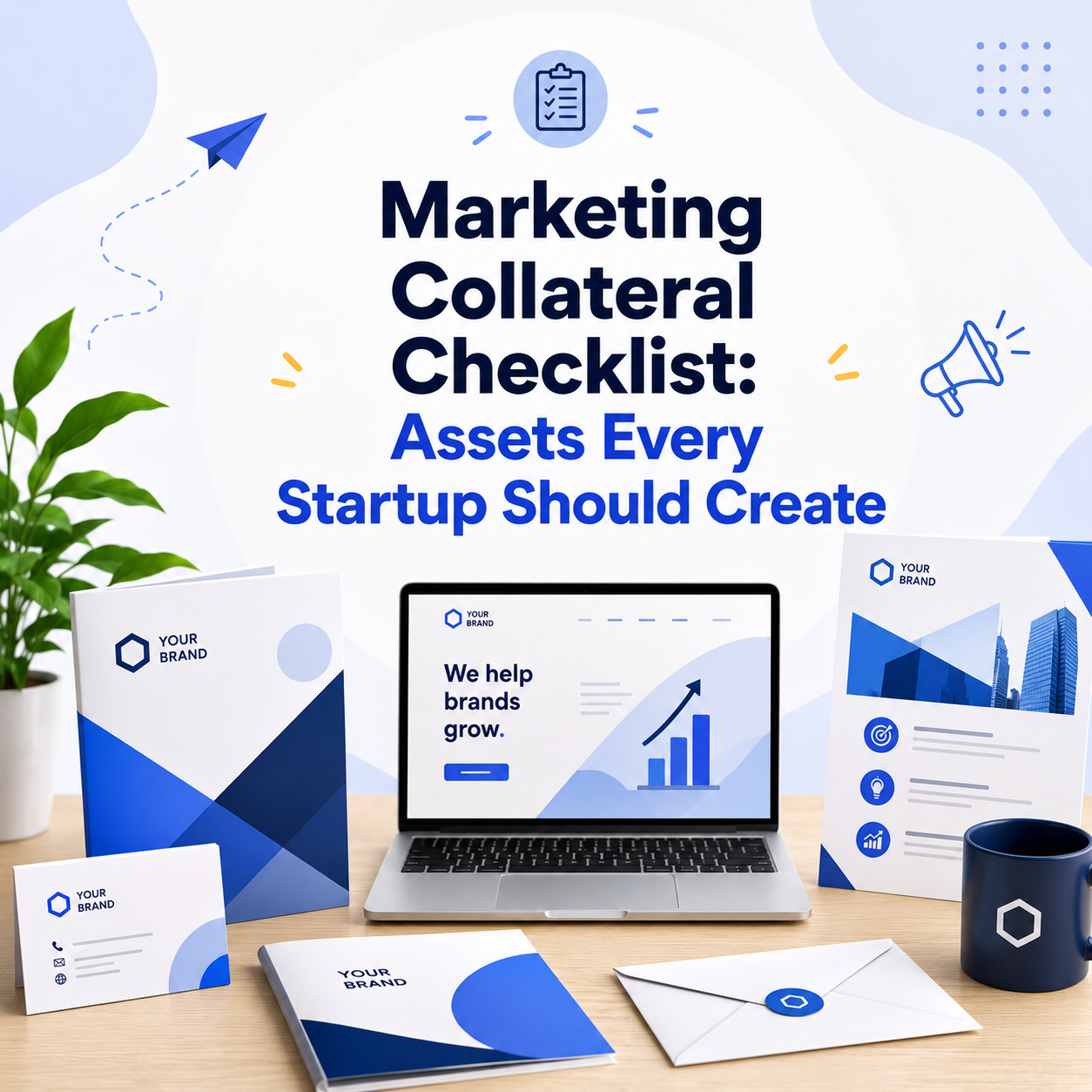
Launching a startup is exciting, but attracting customers, investors, and partners requires more than a great product or idea. Startups need professional materials that clearly communicate their value, build credibility, and support sales efforts. This is where Marketing Collateral becomes essential.

Marketing collateral includes all the branded assets that help a business promote itself, explain its offerings, and guide potential customers toward action. For startups, having the right collateral in place can make a significant difference in how the brand is perceived.

Here is a practical Marketing Collateral checklist every startup should create.

Company Profile

A company profile is one of the first documents every startup should develop.

It should include:

  • company overview
  • mission and vision
  • products or services
  • target industries
  • key achievements
  • contact information

A professional company profile helps introduce your business to potential clients, investors, and partners quickly and effectively.

Brand Guidelines

Consistency is crucial for building a strong brand.

Basic brand guidelines should define:

  • logo usage
  • brand colors
  • typography
  • visual style
  • tone of communication

This ensures that all future marketing materials maintain a consistent brand identity.

Website

Your website is one of the most important pieces of Marketing Collateral.

A startup website should include:

  • homepage
  • about us page
  • services or product pages
  • contact page
  • lead generation forms
  • testimonials or case studies

In many cases, a website is the first interaction a customer has with your brand.

Sales Presentation Deck

A professional presentation deck helps startups communicate their value during meetings, pitches, and business discussions.

Your sales deck should cover:

  • business overview
  • customer challenges
  • solutions offered
  • key benefits
  • success stories
  • next steps

This asset is useful for both sales and partnership opportunities.

Product or Service Brochure

A brochure provides a concise overview of what your startup offers.

It can be shared during:

  • client meetings
  • exhibitions
  • networking events
  • email outreach campaigns

A well-designed brochure remains one of the most effective forms of Marketing Collateral for explaining products and services quickly.

Case Studies

Even early-stage startups should begin documenting successful projects and customer outcomes.

Case studies help demonstrate:

  • real-world results
  • customer success stories
  • problem-solving capabilities
  • business impact

These assets build trust and support future sales conversations.

Social Media Brand Assets

Social media often serves as a startup’s public face.

Essential assets include:

  • branded post templates
  • cover images
  • profile graphics
  • promotional creatives

Consistent social media branding helps startups look more professional and recognizable.

Business Cards and Email Signatures

While digital marketing dominates, professional networking still matters.

Every startup should have:

  • branded business cards
  • professional email signatures

These small details reinforce credibility during business interactions.

Product Demo or Explainer Video

Video content is becoming one of the most valuable forms of Marketing Collateral.

A short explainer or demo video can help startups:

  • explain complex products
  • improve website engagement
  • support sales presentations
  • increase social media reach

Videos often communicate information faster and more effectively than text alone.

One-Page Sales Sheet

A one-page sales sheet is a quick-reference document that highlights:

  • key services
  • major benefits
  • unique selling points
  • contact details

It is particularly useful during initial sales discussions and lead generation activities.

Final Thoughts

Startups often focus heavily on product development while overlooking the importance of communication and branding. However, even the best products need strong Marketing Collateral to attract customers, investors, and business opportunities. Understanding What Is Marketing Collateral? A Beginner’s Guide for Businesses can help startups create the right assets to communicate their value, build credibility, and support business growth.

By creating essential assets such as a company profile, website, sales deck, brochure, case studies, and video content, startups can build a stronger brand presence and support business growth more effectively.

Think of marketing collateral as an investment, not an expense. The right assets help your startup look professional, communicate clearly, and compete with larger, more established brands from day one.

Continue Reading

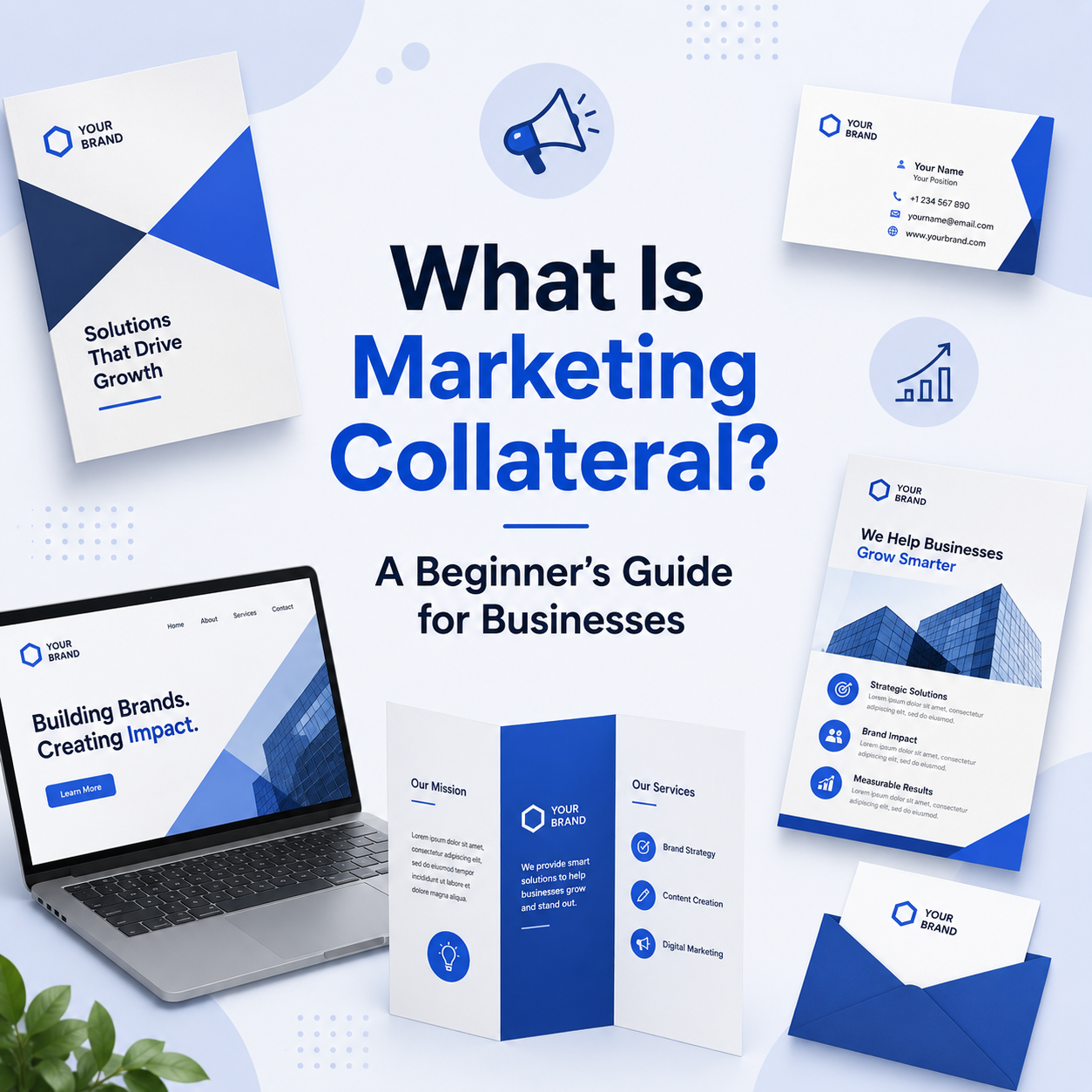
If you run a business, you have probably heard the term Marketing Collateral before. It sounds technical, but the idea is actually simple. Marketing collateral is any material a business uses to promote itself, explain its value, and support sales or marketing efforts.

In other words, it is the content and branded material that helps people understand who you are, what you offer, and why they should choose you.

For beginners, understanding Marketing Collateral is important because it shapes how customers experience your brand across every touchpoint.

What does marketing collateral include?

Marketing collateral can take many forms. Some are printed, while others are digital. The exact type depends on your business, audience, and goals.

Common examples include:

  • Brochures
  • Flyers
  • Business presentations
  • Product catalogs
  • Company profiles
  • Case studies
  • Social Media Creatives
  • Emailers
  • Landing pages
  • Videos
  • Pitch decks
  • One-page sales sheets

Each of these helps communicate something important about your business. Some are designed to attract attention. Others are meant to educate, build trust, or support a sales conversation.

Why marketing collateral matters

A business may have a great product or service, but if it cannot present that value clearly, it becomes harder to attract and convert customers.

That is where Marketing Collateral becomes useful. It helps businesses:

  • explain their products or services clearly
  • create a professional brand impression
  • support the sales team with useful materials
  • build trust with potential customers
  • improve consistency across marketing channels
  • make complex information easier to understand

Good collateral makes your business easier to remember and easier to buy from.

Marketing collateral is not just for large companies

Many small businesses assume marketing collateral is only for big brands with large budgets. That is not true.

Even a startup or local business benefits from having a few core materials in place. A simple company profile, service brochure, product sheet, presentation deck, or well-designed website page can make a major difference in how professional the business appears.

The goal is not to create everything at once. The goal is to create the right materials that support your business at the right stage.

Different types of marketing collateral serve different purposes

Not all collateral does the same job. Some assets are created for awareness, while others are designed to drive action.

For example:

  • a brochure helps introduce the business
  • a case study helps prove results
  • a product catalog helps buyers compare options
  • a landing page helps generate leads
  • a pitch deck helps present the business to clients or investors

This is why businesses should think of Marketing Collateral Design as part of a bigger communication system, not just a collection of random branded documents.

What makes good marketing collateral?

Good marketing collateral is not just visually attractive. It should also be clear, relevant, and aligned with the needs of the audience.

Strong collateral usually has:

  • clear messaging
  • consistent branding
  • useful information
  • a professional design
  • a defined purpose
  • a clear next step or call to action

If a document looks good but does not help the customer understand or act, it is not doing its job well.

How businesses should get started

If you are just beginning, start with the essentials. Most businesses benefit from creating:

  • a company profile
  • a brochure or service sheet
  • a presentation deck
  • a few website pages
  • basic social media brand assets

Once those are in place, you can build more specialized collateral based on your sales and marketing needs. Learn How to Design Marketing Collateral That Strengthens Brand Identity to ensure every asset consistently reflects your brand and supports your business goals.

Final thought

Marketing Collateral is one of the most practical tools a business can invest in. It helps you present your brand better, support customer decisions, and make your communication more effective.

For beginners, the key is to think of collateral not as extra material, but as a business asset. When created well, it does more than describe your company. It helps move people closer to trust, interest, and action.

Continue Reading

In a crowded marketplace, customers are exposed to hundreds of brands every day. What makes one brand memorable while another is quickly forgotten? The answer often lies in consistency. Every brochure, presentation, social media post, company profile, and sales document contributes to how people perceive a business. This is where well-designed Marketing Collateral becomes essential.

Marketing collateral is more than just promotional material. When designed correctly, it reinforces your brand identity, builds trust, and creates a consistent experience across every customer touchpoint.

Here is how businesses can design Marketing Collateral that strengthens their brand identity and leaves a lasting impression.

Start with Clear Brand Guidelines

Before creating any marketing collateral, establish a strong brand foundation.

Your brand guidelines should define:

  • logo usage
  • brand colors
  • typography
  • visual style
  • tone of voice
  • image preferences

Without clear guidelines, different marketing materials can end up looking inconsistent, making the brand appear unprofessional and confusing.

Strong brand consistency helps customers instantly recognize your business, whether they are viewing a brochure, presentation, website, or social media post.

Also Check Out : The Role of Marketing Collateral in B2B Lead Generation

Maintain Visual Consistency Across All Assets

One of the biggest mistakes businesses make is designing every asset differently.

Your Marketing Collateral should have a unified visual identity across:

  • company profiles
  • brochures
  • pitch decks
  • email templates
  • case studies
  • social media creatives
  • videos

Using the same colors, fonts, design elements, and imagery creates familiarity. The more often customers encounter consistent branding, the stronger their recognition and trust become.

Focus on Your Brand Personality

Every brand has a personality. Some brands are professional and corporate, while others are creative, friendly, or innovative.

Your marketing materials should reflect that personality consistently.

For example:

  • A technology company may use clean layouts and modern visuals.
  • A luxury brand may focus on elegance and minimalism.
  • A startup may adopt a bold and energetic design style.

Effective Marketing Collateral communicates not only what your business does but also how your brand feels.

Use Messaging That Reflects Your Brand Voice

Design is important, but words matter just as much.

Your brand voice should remain consistent across all collateral. Whether someone is reading a brochure, website page, or presentation, the communication style should feel familiar.

Ask yourself:

  • Is the tone formal or conversational?
  • Is the messaging focused on innovation, trust, or expertise?
  • Does it align with your target audience?

Consistent messaging strengthens brand identity and improves customer confidence.

Prioritize Quality Over Quantity

Many businesses create large amounts of marketing material without focusing on quality.

Instead of producing numerous assets, focus on creating professional and purposeful Marketing Collateral that delivers value.

High-quality design, clear messaging, and strong visual presentation help position your brand as credible and trustworthy.

Poorly designed collateral can damage brand perception, even if the product or service is excellent.

Include Strong Brand Elements

Every piece of collateral should reinforce key brand identifiers.

This includes:

  • logos
  • brand colors
  • taglines
  • unique visual patterns
  • branded icons
  • consistent photography style

These elements help create recognition and strengthen the connection between the content and your business.

Design for Your Audience

The best marketing collateral is created with the audience in mind.

Consider:

  • who will read it
  • what information they need
  • how they consume content
  • what motivates their decisions

A visually attractive brochure is ineffective if it fails to communicate value to the intended audience.

Strong branding happens when design, messaging, and customer expectations work together.

Final Thoughts

Well-designed Marketing Collateral Design is one of the most powerful tools for building and reinforcing brand identity. It creates consistency, improves recognition, and helps businesses present themselves professionally across every interaction.

From company profiles and brochures to presentations and digital content, every asset should reflect the same brand personality, visual style, and messaging approach.

When done correctly, marketing collateral does more than promote a business. It strengthens the brand, builds trust, and creates a memorable experience that customers recognize and remember.

Continue Reading

Introduction

Many businesses use the terms “brand film” and “corporate video” interchangeably. On the surface, that seems reasonable. Both involve video production, both represent a company, and both are used for communication and marketing. But they serve very different purposes. Understanding the difference is important because choosing the wrong format can lead to a message that misses its intended audience. A company trying to build emotional connection may end up creating a highly informational video. A business trying to explain its services may invest in a story-driven film that leaves viewers inspired but confused. The format matters because the objective matters.

Whether you’re working with a Corporate video production company in bangalore or planning your next marketing initiative, knowing when to use a brand film versus a corporate video can help you achieve stronger results.

What Is a Brand Film?

A brand film focuses on the “why” behind a business. Rather than highlighting products, services, or operational details, it tells a story about the company’s purpose, values, vision, and impact. A brand film is designed to create an emotional connection with the audience. It often answers questions like:

  • Why does the company exist?
  • What does it believe in?
  • What problem is it trying to solve?
  • What impact does it want to create?

Brand films typically use storytelling techniques, cinematic visuals, interviews, customer experiences, and emotional narratives to communicate a deeper message. The goal is not immediate conversion. The goal is trust, connection, and long-term brand recall.

What Is a Corporate Video?

A corporate video focuses on the “what” and “how” of a business. It is generally more informational and structured than a brand film. Corporate videos are often used to:

  • Introduce a company
  • Explain products or services
  • Showcase facilities
  • Present company achievements
  • Support recruitment efforts
  • Communicate with stakeholders

Unlike brand films, corporate videos prioritize clarity and information over emotional storytelling. They help audiences understand what a company does and why it is qualified to do it. A professional Corporate video production company in Bangalore often creates corporate videos for websites, investor presentations, internal communications, trade shows, and sales meetings. Their primary purpose is education and credibility.

When Should Businesses Choose a Brand Film?

A brand film is particularly valuable when a company wants to:

  • Strengthen brand positioning
  • Build emotional connection
  • Differentiate from competitors
  • Share its story and purpose
  • Improve long-term brand recall

This format works especially well for companies that want audiences to understand the values behind the business rather than simply its offerings. In crowded markets, emotional connection often becomes a competitive advantage.

When Should Businesses Choose a Corporate Video?

A corporate video is ideal when businesses need to communicate clear information efficiently. Common use cases include:

  • Company introductions
  • Service overviews
  • Recruitment campaigns
  • Investor communications
  • Internal training
  • Industry presentations

A strong Corporate video production company in bangalore can help structure information in a way that feels professional, engaging, and easy to understand. For many organizations, corporate videos become important communication assets that continue delivering value for years.

Why Many Businesses Need Both

One common mistake is assuming that companies must choose between a brand film and a corporate video. In reality, they often serve complementary purposes. A brand film builds connection. A corporate video builds understanding. Together, they create a more complete communication strategy. A potential customer may first discover the company through a brand film that communicates purpose and values. Later, they may watch a corporate video to learn about services, expertise, and capabilities. Each format supports a different stage of the decision-making process.

Conclusion

While both formats involve visual storytelling, brand films and corporate videos are designed to achieve different outcomes. Brand films focus on emotion, purpose, and connection. Corporate videos focus on information, credibility, and clarity. Businesses that understand this distinction can make more strategic decisions about how they communicate with customers, employees, investors, and stakeholders. Whether you’re creating your first company video or expanding your content strategy, partnering with an experienced Corporate video production company in Bangalore can help ensure the format aligns with your goals. Because effective communication is not just about telling people who you are. It is about choosing the right way to tell the story.

Continue Reading