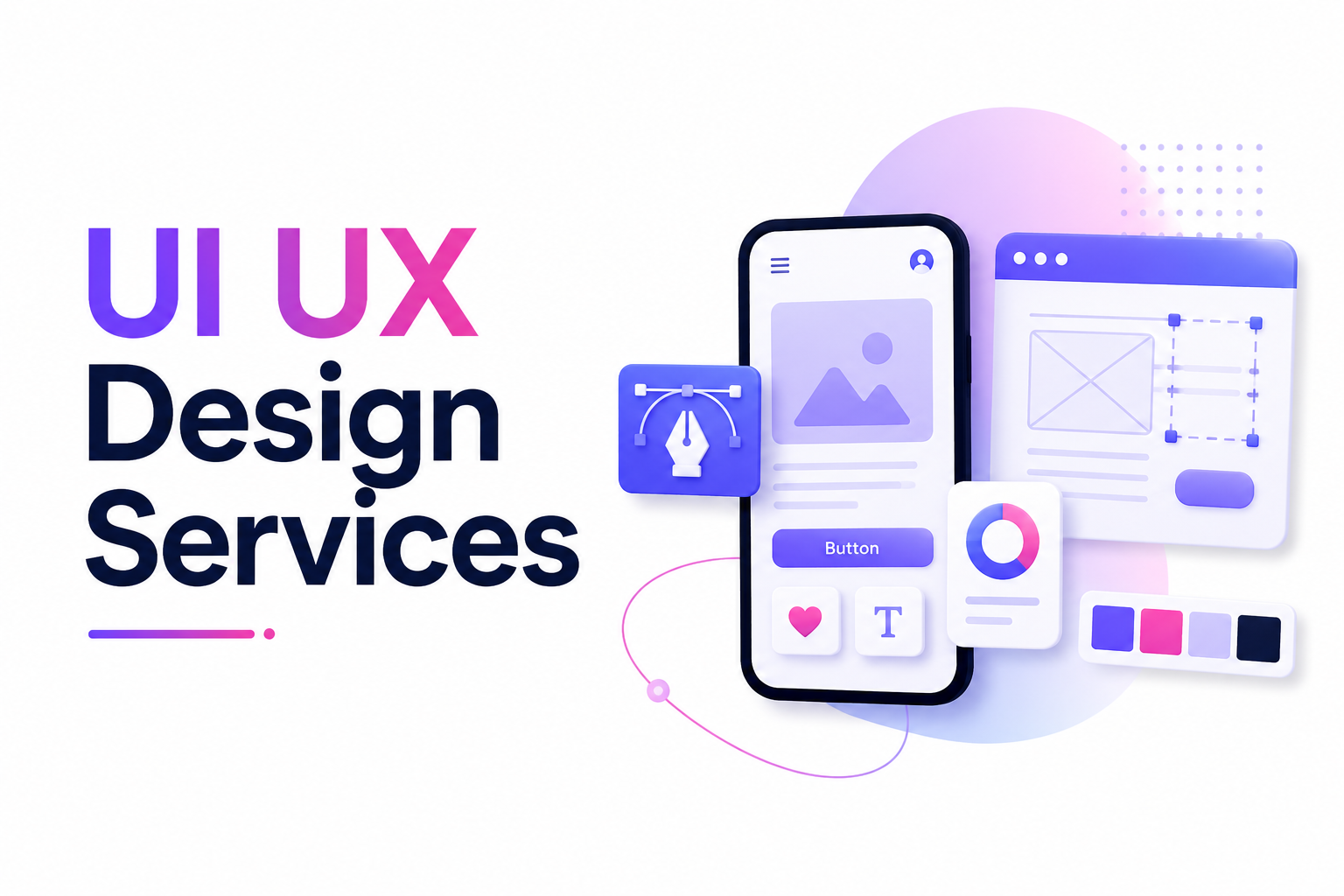
The way people interact with digital products is changing rapidly. A few years ago, a good website or application was judged mainly by how it looked. Today, users expect much more. They want experiences that are faster, smarter, more personalized, and easier to navigate. As businesses continue to invest in digital transformation, UI UX design has become a strategic advantage rather than just a visual improvement.

In 2026, designers are moving beyond attractive interfaces and focusing on creating meaningful experiences that improve usability, engagement, and customer satisfaction. This shift is especially visible in Bangalore, one of India’s biggest technology and innovation hubs. Companies working with professional UI UX Design Services in Bangalore are adopting new design approaches that combine creativity, technology, and user psychology to build better digital experiences.

Here are the key UI UX trends shaping digital products in 2026.

1. AI-Powered Personalized Experiences

Artificial intelligence is influencing how users interact with digital platforms. In 2026, interfaces are becoming more adaptive by understanding user behavior and preferences. Instead of showing the same experience to every visitor, platforms are becoming smarter and more personalized. Examples include:

  • Personalized content recommendations
  • Adaptive dashboards
  • AI-powered search experiences
  • Intelligent customer support interfaces

Designers are now thinking beyond static screens. They are creating systems that respond and evolve based on user needs. Leading teams offering UI UX Design Services in Bangalore are integrating AI into their design thinking to create experiences that feel more intuitive and relevant.

2. Conversational Interfaces Are Becoming Mainstream

Chat-based interactions are no longer limited to customer support. With the growth of AI assistants, voice interfaces, and conversational tools, users are becoming comfortable interacting with technology through natural language. Modern UX design is adapting by focusing on:

  • AI chat interfaces
  • Voice-based navigation
  • Conversational search
  • Human-like interactions

The challenge for designers is making these experiences feel helpful rather than robotic. The best conversational designs understand context, provide clarity, and reduce user effort.

3. Minimal Design With Better Functionality

Minimalism continues to evolve in 2026. However, modern minimal design is not simply about removing elements. It is about removing unnecessary complexity. Designers are focusing on:

  • Clear visual hierarchy
  • Simpler navigation
  • Faster decision-making
  • Reduced cognitive load

Users do not want to spend time figuring out how a product works. They expect digital experiences to feel natural from the first interaction. A clean interface is not just visually pleasing. It improves usability.

4. Motion Design and Micro-Interactions

Small interactions are becoming increasingly important in modern UX. Animations, transitions, and subtle feedback help users understand what is happening within an interface. Examples include:

  • Button animations
  • Loading indicators
  • Interactive feedback
  • Smooth page transitions

These details make digital experiences feel more responsive and engaging. However, effective motion design is about purpose, not decoration. Too many animations can turn a simple task into a digital obstacle course, which nobody requested. Experienced designers focus on using motion to guide users, not distract them.

5. Accessibility-First Design

Accessibility is becoming a fundamental part of UX strategy. Businesses are recognizing that digital products should work for a wider range of users, including people with different abilities and accessibility needs. Modern UX practices include:

  • Better color contrast
  • Screen reader compatibility
  • Keyboard navigation
  • Clear typography
  • Inclusive design patterns

Accessibility improves usability for everyone, not just specific user groups. In 2026, inclusive design is becoming a standard expectation rather than an optional feature.

6. Data-Driven Design Decisions

Design decisions are becoming less dependent on assumptions. Businesses are increasingly using data to understand how users interact with digital products. Design teams analyze:

  • User behavior
  • Conversion patterns
  • Heatmaps
  • User feedback
  • Product analytics

This allows designers to continuously improve experiences based on real-world usage. The role of a UI UX designer is shifting from creating screens to solving measurable business and user problems.

7. Immersive and Interactive Experiences

As technology advances, digital experiences are becoming more immersive. Brands are experimenting with:

  • Interactive product experiences
  • 3D elements
  • Augmented reality features
  • Dynamic interfaces

These experiences help users understand products and services in more engaging ways. While not every business needs complex immersive technology, the focus remains the same: creating experiences that feel useful and memorable.

Conclusion

UI UX design in 2026 is moving toward smarter, more human-centered experiences. The focus is no longer only on creating visually impressive interfaces. It is about understanding users, reducing friction, and designing digital products that genuinely improve everyday interactions. Businesses investing in UI UX Design Services in Bangalore are adopting these trends to create stronger digital experiences, improve customer engagement, and stay competitive in an increasingly digital marketplace. The future of design is not about adding more features. It is about creating experiences that make technology feel simpler, smarter, and more human.

Continue Reading

In today’s digital-first world, user experience can make or break a business. Customers expect websites, apps, and digital platforms to be intuitive, fast, and easy to use. If users struggle to navigate a platform, they are likely to leave and choose a competitor instead.

This is why businesses across industries are investing in professional UI/UX design. A skilled UI UX Design Agency in Bangalore helps companies create digital experiences that improve customer satisfaction, increase engagement, and drive conversions.

While every business can benefit from better design, some industries gain particularly significant advantages from partnering with a UI UX Design Company. Let’s explore them.

IT and SaaS Companies

Software products succeed when users can understand and use them easily.

Many SaaS platforms and enterprise software solutions offer powerful features, but poor design can make them difficult to navigate. A well-designed user interface simplifies complex workflows and improves user adoption.

Benefits include:

  • higher user engagement
  • reduced learning curves
  • improved customer retention
  • lower support costs
  • better product adoption

This is why technology companies often work closely with a UI UX Design Agency in Bangalore to create seamless digital experiences.

E-commerce Businesses

In e-commerce, every click matters. Customers expect smooth browsing, easy product discovery, and hassle-free checkout experiences.

Poor user experience can lead to abandoned carts and lost sales.

A professional UI UX Design Company helps ecommerce brands improve:

  • product navigation
  • search functionality
  • checkout processes
  • mobile shopping experiences
  • customer journey optimization

Even small UX improvements can significantly impact conversion rates and revenue.

Healthcare and Medical Platforms

Healthcare websites and applications often serve diverse audiences, including patients, doctors, caregivers, and administrators.

These users need clear, accessible, and easy-to-understand interfaces.

UI/UX design helps healthcare organizations improve:

  • appointment booking systems
  • telemedicine platforms
  • patient portals
  • health information accessibility
  • mobile healthcare apps

A well-designed healthcare platform improves both user satisfaction and operational efficiency.

Banking and Financial Services

Financial platforms deal with sensitive information and complex transactions. Customers need confidence when using online banking, investment platforms, insurance portals, and fintech applications.

A strong UI UX Design Agency in Bangalore helps financial institutions create:

  • secure user experiences
  • simplified financial workflows
  • intuitive dashboards
  • easy transaction processes
  • trust-building interfaces

Good design reduces confusion and improves customer trust in digital financial services.

Education and E-Learning

Online education has grown rapidly, making user experience a key factor in learning success.

Students expect platforms that are simple, engaging, and easy to navigate.

A professional UI UX Design Company can improve:

  • learning management systems
  • course navigation
  • student engagement
  • assessment experiences
  • mobile learning accessibility

Better design helps learners focus on education rather than struggling with the platform itself.

Manufacturing and Industrial Businesses

Many manufacturing companies now use digital platforms for customer portals, distributor networks, product catalogs, and internal operations.

However, industrial software is often complex and difficult to use.

UI/UX design helps simplify:

  • product information systems
  • customer dashboards
  • procurement platforms
  • inventory management tools
  • industrial applications

This improves efficiency for both customers and employees.

Real Estate and Property Platforms

Real estate buyers expect rich digital experiences when searching for properties.

A well-designed platform can help users:

  • browse properties easily
  • filter search results
  • view virtual tours
  • compare listings
  • contact agents quickly

A UI UX Design Agency in Bangalore can significantly improve lead generation and customer engagement for real estate businesses.

Travel and Hospitality

Travel websites and booking platforms depend heavily on user experience. Customers need fast access to information, booking options, pricing, and support.

Good UI/UX design improves:

  • booking conversions
  • mobile experiences
  • trip planning
  • customer satisfaction
  • repeat bookings

The easier the booking process, the higher the likelihood of conversion.

Final Thoughts

UI/UX design is no longer limited to technology companies. Businesses across industries are realizing that customer experience directly impacts growth, engagement, and revenue.

Whether it is SaaS, ecommerce, healthcare, finance, education, manufacturing, or travel, investing in professional design can create a significant competitive advantage.

By partnering with an experienced UI UX Design Agency in Bangalore or a trusted UI UX Design Company, businesses can create digital experiences that are not only visually appealing but also user-friendly, efficient, and conversion-focused.

In 2026 and beyond, great user experience will continue to be one of the strongest drivers of business success.

Continue Reading

Generating high-quality leads is one of the biggest priorities for B2B businesses. Unlike B2C purchases, B2B buying decisions often involve multiple stakeholders, longer sales cycles, and extensive research before a prospect becomes a customer. This is why businesses need more than just advertisements and sales calls to attract and convert potential clients.

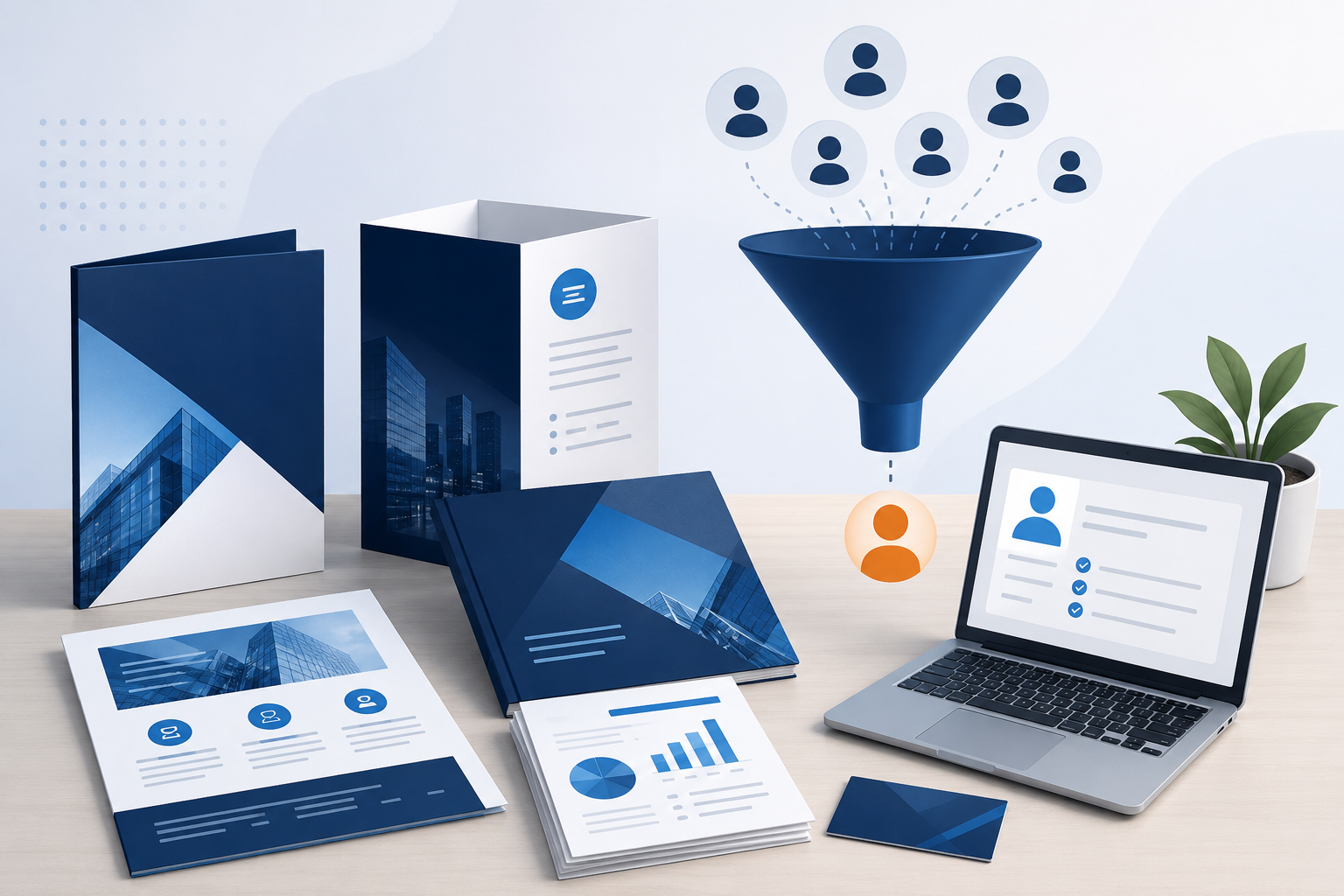
One of the most effective tools in the B2B sales process is Marketing Collateral. From company profiles and case studies to presentations and product brochures, marketing collateral helps educate prospects, build trust, and move leads through the sales funnel.

In today’s competitive market, strong marketing collateral is no longer optional, it is a critical component of successful B2B lead generation.

What Is Marketing Collateral?

Marketing Collateral refers to the materials businesses use to communicate their products, services, expertise, and value proposition to potential customers.

Common examples include:

  • company profiles
  • product brochures
  • case studies
  • presentations
  • whitepapers
  • ebooks
  • sales sheets
  • email marketing assets
  • landing pages
  • videos

Each piece of collateral serves a specific purpose in helping prospects understand the business and make informed decisions.

Builds Credibility and Trust

Trust plays a major role in B2B purchasing decisions. Before engaging with a supplier or service provider, prospects want evidence that the company is experienced, reliable, and capable of delivering results.

Well-designed Marketing Collateral Design Agency helps establish credibility by showcasing:

  • company expertise
  • industry experience
  • client success stories
  • certifications
  • achievements
  • customer testimonials

When prospects see proof of success, they are more likely to engage with the business.

Educates Prospects During the Buying Journey

B2B buyers often spend significant time researching solutions before speaking with a sales representative.

Marketing collateral helps answer questions and educate prospects about:

  • products and services
  • business benefits
  • technical capabilities
  • industry solutions
  • implementation processes

For example, a case study can demonstrate how a company solved a client’s challenge, while a whitepaper can provide deeper insights into industry problems and solutions.

This educational approach helps build confidence and positions the business as an expert in its field.

Supports Lead Nurturing Efforts

Not every lead is ready to buy immediately. Many prospects require multiple interactions before making a decision.

This is where Marketing Collateral becomes valuable for lead nurturing.

Businesses can use:

  • email content
  • downloadable guides
  • webinars
  • presentations
  • case studies

to stay connected with prospects and provide ongoing value throughout the decision-making process.

Consistent communication keeps the business top-of-mind and helps move leads closer to conversion.

Helps Sales Teams Close Deals Faster

Sales teams often need materials that support conversations with potential clients.

Effective marketing collateral can help sales representatives:

  • explain complex solutions
  • address objections
  • demonstrate expertise
  • present business value
  • share success stories

A strong company profile or case study often reinforces what the sales team communicates during meetings.

This alignment between marketing and sales can significantly improve conversion rates.

Improves Lead Quality

High-quality Marketing Collateral attracts more qualified prospects by clearly communicating who the business serves and what it offers.

When potential customers understand your solutions before contacting your team, inquiries tend to be more relevant and conversion-ready.

This helps businesses spend less time filtering unqualified leads and more time focusing on serious opportunities.

Supports Multiple Marketing Channels

Marketing collateral can be used across various lead generation channels, including:

  • websites
  • email campaigns
  • LinkedIn marketing
  • trade shows
  • webinars
  • sales presentations
  • digital advertising

This makes it a long-term business asset that continues to generate value across different campaigns and customer touchpoints.

Final Thoughts

In B2B marketing, generating leads is not just about attracting attention, it is about building trust and helping prospects make informed decisions.

Effective Marketing Collateral plays a crucial role in this process by educating buyers, supporting sales conversations, nurturing leads, and strengthening brand credibility.

Whether it is a company profile, case study, presentation, or whitepaper, the right collateral can significantly improve lead generation efforts and help businesses convert more prospects into long-term customers.

For B2B companies, marketing collateral is more than just promotional material. It is a strategic tool that drives engagement, trust, and business growth.

Continue Reading

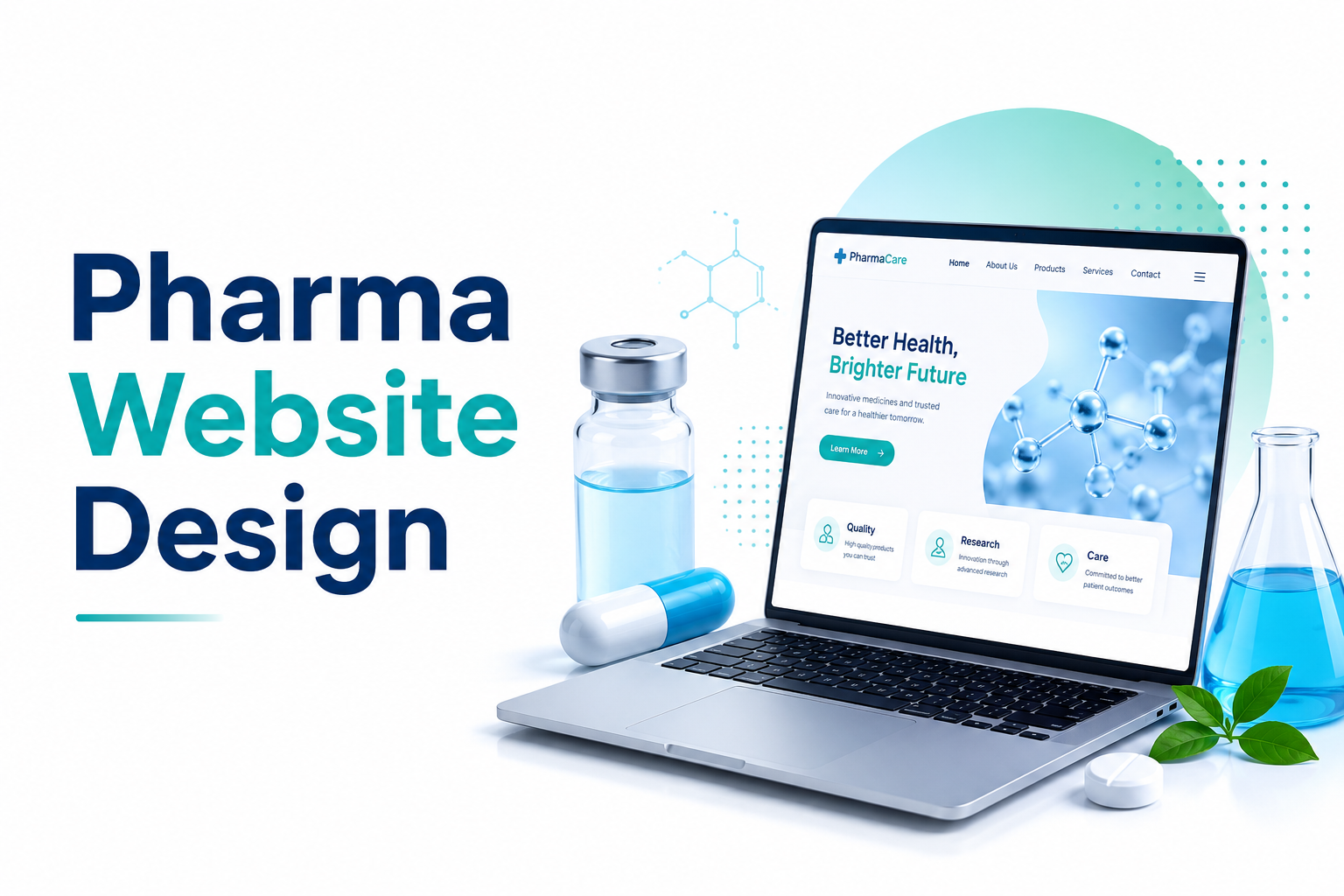
Discover how Website Design for Pharmaceutical Companies influences trust, credibility, and digital presence. Learn why the best pharma website design helps brands communicate expertise, improve user experience, and build stronger relationships.

In the pharmaceutical industry, trust is not just a brand advantage. It is a necessity. Patients, healthcare professionals, distributors, and partners make decisions based on credibility, transparency, and confidence. Before contacting a pharmaceutical company, many stakeholders first visit its website to understand its expertise, products, research capabilities, and reliability. This makes a company’s website more than a digital brochure. It becomes an important trust-building platform.

A poorly designed website can create uncertainty, even for companies with strong products and years of industry experience. On the other hand, thoughtful Website Design for Pharmaceutical Companies can communicate professionalism, accuracy, and confidence from the first interaction.

In an industry where reputation directly influences business relationships, website design plays a much bigger role than aesthetics alone.

First Impressions Influence Brand Credibility

A website is often the first point of interaction between a pharmaceutical brand and its audience. Visitors immediately form opinions based on:

  • Website structure
  • Visual quality
  • Ease of navigation
  • Content clarity
  • Overall professionalism

An outdated or confusing website can unintentionally create doubts about a company’s credibility and attention to detail. Pharmaceutical companies operate in a space where precision matters. The same expectation applies to their digital presence. A professional website should reflect the same level of reliability and quality that customers associate with healthcare products and services.

Clear Information Builds Confidence

Pharmaceutical websites often need to communicate complex information. This may include:

  • Product details
  • Research capabilities
  • Manufacturing processes
  • Certifications
  • Regulatory information
  • Clinical expertise

The challenge is presenting this information in a way that is accurate but easy to understand. Effective Website Design for Pharmaceutical Companies focuses on organizing information clearly through logical navigation, structured content, and user-friendly layouts. When visitors can quickly find relevant information, confidence increases. A website that creates confusion forces users to search elsewhere, which is rarely the outcome a brand wants.

Professional Design Reflects Quality Standards

In pharmaceuticals, perception and quality are closely connected. A clean, modern, and professional website signals that a company values accuracy and reliability. The best pharma website design focuses on:

  • Consistent branding
  • Professional visual elements
  • Strong content hierarchy
  • Easy accessibility
  • Mobile responsiveness

These elements help communicate that the company operates with discipline and maintains high standards. Good design does not make claims about quality. It creates an experience that supports those claims.

Security and Transparency Strengthen Trust

Pharmaceutical websites often handle sensitive business interactions and information. Whether users are accessing product information, submitting inquiries, or exploring partnerships, they expect secure and reliable digital experiences. A trustworthy pharmaceutical website should prioritize:

  • Secure browsing
  • Clear contact information
  • Updated company details
  • Transparent documentation
  • Reliable performance

These details may seem small, but they contribute significantly to how users evaluate a brand. Trust is usually built through many small signals working together.

Better User Experience Supports Stronger Relationships

Different audiences visit pharmaceutical websites with different goals. A doctor may be looking for scientific information. A distributor may want partnership details. A potential employee may be exploring the company culture. A strong website experience ensures that each visitor can easily access relevant information. The best pharma website design considers different user journeys and creates pathways that guide visitors naturally. This improves engagement while reducing frustration.

SEO and Digital Visibility Depend on Good Design

A visually appealing website is valuable, but discoverability matters too. Search engines increasingly prioritize websites that offer:

  • Fast loading speeds
  • Mobile-friendly experiences
  • Well-structured content
  • Clear navigation
  • Helpful information

Good website design supports stronger SEO performance by making content easier for both users and search engines to understand. For pharmaceutical brands competing in digital spaces, visibility and credibility go hand in hand.

The Role of Modern Pharma Website Design

Today’s pharmaceutical companies are competing in a more digital-first environment. A website is no longer just a place to display company information. It is a platform for building trust, educating audiences, generating business opportunities, and strengthening brand reputation. The best pharma website design combines industry understanding with modern digital practices. It balances scientific accuracy with human-centered communication, ensuring that complex healthcare information feels accessible and trustworthy.

Conclusion

For pharmaceutical brands, website design is directly connected to trust. A well-designed website communicates professionalism, transparency, and reliability before any direct conversation takes place. It helps stakeholders understand the company better and creates confidence in its capabilities. Investing in strategic Website Design for Pharmaceutical Companies is not simply about improving appearance. It is about creating a digital experience that reflects the quality, credibility, and responsibility expected from the healthcare industry. Because in pharma, trust is not built after the first conversation. Often, it begins with the first click.

Continue Reading

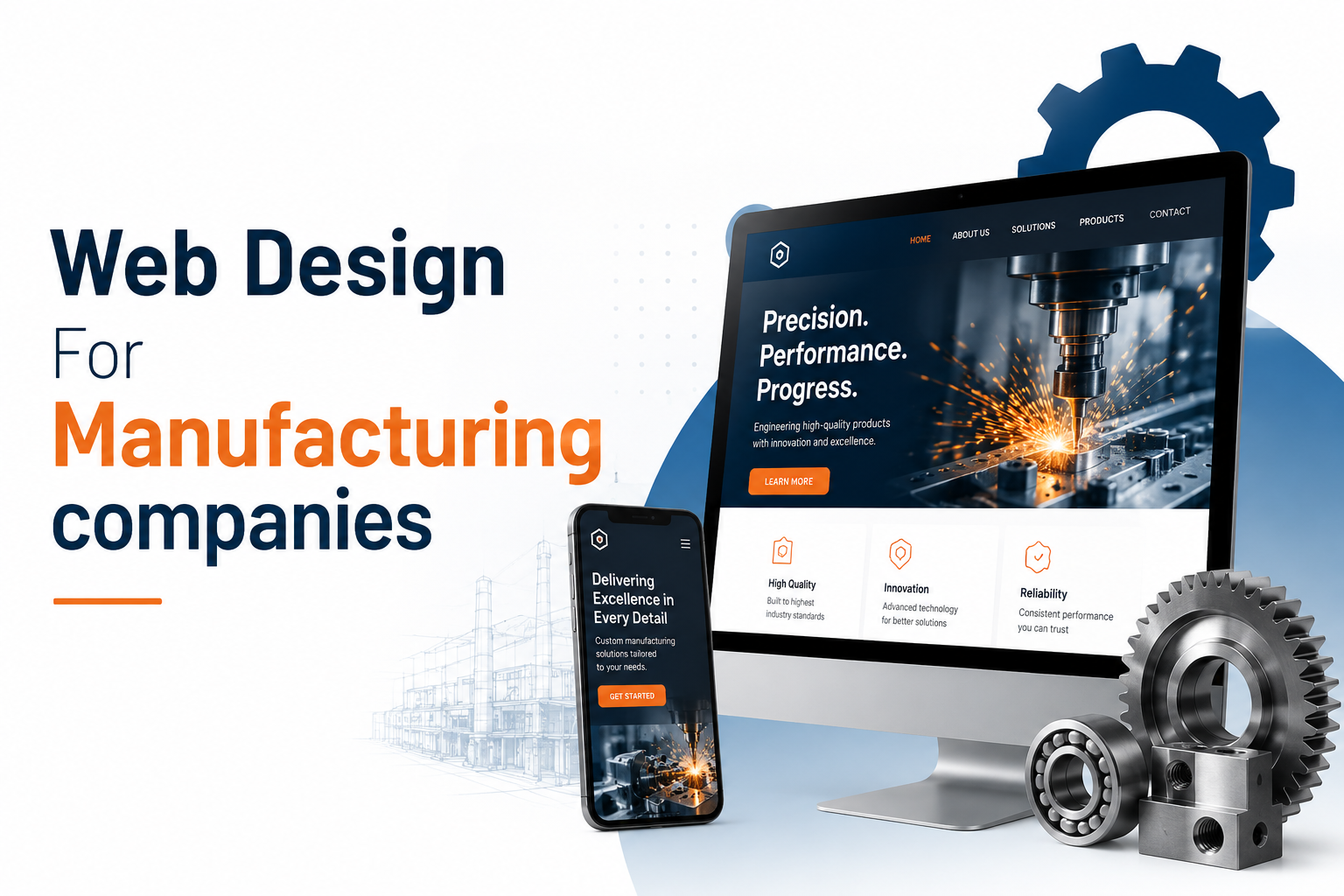
A manufacturing website is no longer just an online brochure. In 2026, it serves as a digital sales representative, helping potential customers evaluate your capabilities, products, certifications, and expertise before they ever contact your team.

Whether you serve industrial clients, OEMs, exporters, or distributors, your website plays a critical role in building trust and generating enquiries. That is why investing in effective website design for manufacturing companies has become essential for business growth.

Here are the best website design practices manufacturing businesses should follow to improve visibility, credibility, and lead generation.

Prioritize Clear Value Proposition

When visitors land on your website, they should immediately understand:

  • What products do you manufacture
  • Which industries do you serve
  • What makes your company different
  • Why customers should choose you

Many manufacturing websites use generic phrases like “leading manufacturer” or “trusted industry partner.” Instead, clearly communicate your specialization, capabilities, and unique strengths.

Good web design for manufacturing companies focuses on clarity before creativity.

Showcase Products and Capabilities Clearly

Manufacturing buyers visit your website to evaluate whether you can meet their requirements.

Your website should include:

  • detailed product pages
  • technical specifications
  • manufacturing capabilities
  • production capacity information
  • quality certifications
  • application examples

Avoid forcing visitors to search for basic information. Make it easy for them to understand exactly what your company offers.

Use High-Quality Images and Videos

Visual content plays a major role in industrial marketing.

Professional photos and videos can showcase:

  • manufacturing facilities
  • production processes
  • machinery and equipment
  • quality control procedures
  • completed products

A strong visual presentation helps build credibility and gives potential clients confidence in your capabilities.

Modern website design for manufacturing companies should include videos, facility tours, and product demonstrations whenever possible.

Create Industry-Specific Pages

Manufacturing companies often serve multiple industries, such as:

  • automotive
  • aerospace
  • healthcare
  • construction
  • energy
  • electronics

Instead of having one generic services page, create dedicated industry pages that explain how your products or solutions address specific customer needs.

This improves both user experience and search engine visibility.

Make Contact Information Easy to Find

One of the biggest mistakes manufacturing websites make is hiding enquiry options.

Your website should include:

  • contact forms
  • phone numbers
  • email addresses
  • location details
  • request-a-quote buttons

These elements should be visible throughout the website, not just on the contact page.

Effective web design for manufacturing companies focuses on converting visitors into enquiries.

Optimize for Mobile Devices

Many industrial buyers research suppliers using mobile devices before moving to desktop evaluations.

A mobile-friendly website should offer:

  • fast loading speeds
  • responsive layouts
  • readable content
  • easy navigation
  • accessible contact forms

Poor mobile experiences can result in lost opportunities and lower search rankings.

Build Trust Through Certifications and Case Studies

Manufacturing decisions often involve significant investments. Buyers want reassurance before contacting a supplier.

Include trust-building elements such as:

  • ISO certifications
  • quality standards
  • industry approvals
  • customer testimonials
  • project case studies
  • client logos

These signals help establish credibility and demonstrate experience.

Focus on Website Speed and Performance

A slow website can frustrate visitors and negatively affect search rankings.

Modern website design for manufacturing companies should prioritize:

  • optimized images
  • fast-loading pages
  • clean code structure
  • reliable hosting

Website speed directly impacts user experience and leads generation.

Invest in SEO-Friendly Structure

A great website is ineffective if potential customers cannot find it.

Your manufacturing website should include:

  • keyword-optimized content
  • clear page hierarchy
  • structured headings
  • internal linking
  • technical SEO best practices

This helps improve visibility on search engines and attract qualified traffic.

Final Thoughts

Manufacturing buyers today conduct extensive online research before contacting suppliers. Your website often becomes the first opportunity to demonstrate expertise, quality, and professionalism.

By following these best practices for website design for manufacturing companies, businesses can create websites that not only look professional but also generate enquiries, build trust, and support long-term growth.

The most successful manufacturing websites are not simply attractive; they are designed to inform, engage, and convert potential customers into valuable business opportunities.

Contact Us: 

Call Us: +91 90352 90915 

Mail Us: vani@honeycombindia.net 

Location: No. 29, 3rd Cross, Venkata Reddy Layout, 6th Block, Koramangala,

Bengaluru – 560 095.

Continue Reading

Introduction 

E-commerce has transformed the way people shop. Customers can browse hundreds of products, compare alternatives, read reviews, and make purchasing decisions within minutes. But this convenience creates a challenge for brands. Shoppers cannot touch the product. They cannot feel the material, test the functionality, or experience the quality firsthand. Everything depends on how effectively the product is presented online. This is why video has become one of the most powerful tools in e-commerce marketing. Product videos help bridge the gap between physical and digital shopping experiences, allowing customers to see products in action before making a purchase. However, simply recording a product is not enough. The quality of presentation often determines whether a customer keeps watching or scrolls away. This is where a professional Video editing agency in Bangalore plays a critical role.

Video Helps Customers Make Faster Buying Decisions

When customers shop online, they are constantly looking for reassurance. They want to know:

  • What does the product actually look like?
  • How does it work?
  • What makes it different?
  • Is it worth the price?

A well-edited product video answers these questions quickly and effectively. Instead of reading lengthy descriptions, customers can understand key features within seconds. Through strategic editing, close-up shots, text overlays, demonstrations, and visual storytelling, products become easier to evaluate. The faster customers understand the value of a product, the more confident they feel about making a purchase.

Professional Editing Improves Product Perception

Presentation influences perception. Two brands may sell similar products, but the one with stronger visual communication often appears more premium, trustworthy, and established. Professional editing enhances:

  • Visual quality
  • Product clarity
  • Brand consistency
  • Viewer engagement
  • Overall credibility

A skilled Video editing agency in Bangalore understands how to highlight product details, eliminate distractions, and create a polished viewing experience that strengthens brand perception. Because in e-commerce, customers often judge product quality based on how professionally it is presented. Fair or not, that is how humans work.

Attention Spans Are Getting Shorter

Modern consumers make decisions quickly. Social media platforms, online marketplaces, and digital advertisements compete for attention every second. If a product video fails to engage viewers immediately, they move on. Professional editing helps maintain attention through:

  • Strong opening visuals
  • Faster pacing
  • Clear messaging
  • Strategic transitions
  • Engaging storytelling

The goal is not simply to make videos look attractive. It is to keep viewers interested long enough to understand the product’s value. In crowded digital environments, attention is often the first battle brands must win.

Product Videos Build Trust

Trust remains one of the biggest challenges in e-commerce. Customers want confidence that what they see online matches what they will receive. Video content helps build that trust by showing:

  • Real product usage
  • Functional demonstrations
  • Product scale and dimensions
  • Material quality
  • Practical applications

A professional Video editing agency in bangalore can structure these elements in a way that feels informative rather than promotional. The result is a more transparent buying experience that reduces uncertainty and increases customer confidence. And confident customers are generally more likely to convert.

Strong Editing Supports Multi-Platform Marketing

E-commerce brands rarely promote products through a single channel. The same product may appear across:

  • Instagram
  • YouTube
  • Facebook
  • Amazon listings
  • Shopify stores
  • Digital advertisements

Each platform has different audience behaviors and content requirements. Professional video editors help create platform-specific versions while maintaining brand consistency across channels. This allows businesses to maximize the value of every product shoot and ensure content performs effectively wherever it is viewed.

Better Videos Often Lead to Better Conversions

Ultimately, e-commerce marketing is about driving action. While product quality, pricing, and customer reviews all influence purchasing decisions, video often plays a critical supporting role. Well-edited product videos can help:

  • Increase engagement
  • Improve product understanding
  • Reduce purchase hesitation
  • Strengthen brand perception
  • Support higher conversion rates

For many brands, video is no longer a supplementary asset. It has become an essential part of the customer journey.

Why Professional Expertise Matters

Video editing involves much more than trimming clips together. Effective product videos require:

  • Strategic pacing
  • Storytelling structure
  • Motion graphics
  • Sound design
  • Visual consistency
  • Platform optimization

A professional Video editing agency in Bangalore combines these elements to create videos that not only look polished but also support specific business objectives. The difference between an average product video and a high-performing one often comes down to how effectively it is edited.

Conclusion

As e-commerce continues to grow, product presentation is becoming increasingly important. Customers rely on visual content to evaluate products, compare options, and make purchasing decisions with confidence.

Professional video editing helps brands communicate product value more clearly, build trust more effectively, and create stronger shopping experiences across digital platforms.

For e-commerce businesses looking to improve engagement and conversions, investing in high-quality video content is no longer optional.

Because when customers cannot hold the product in their hands, the video becomes the next best thing.

Continue Reading

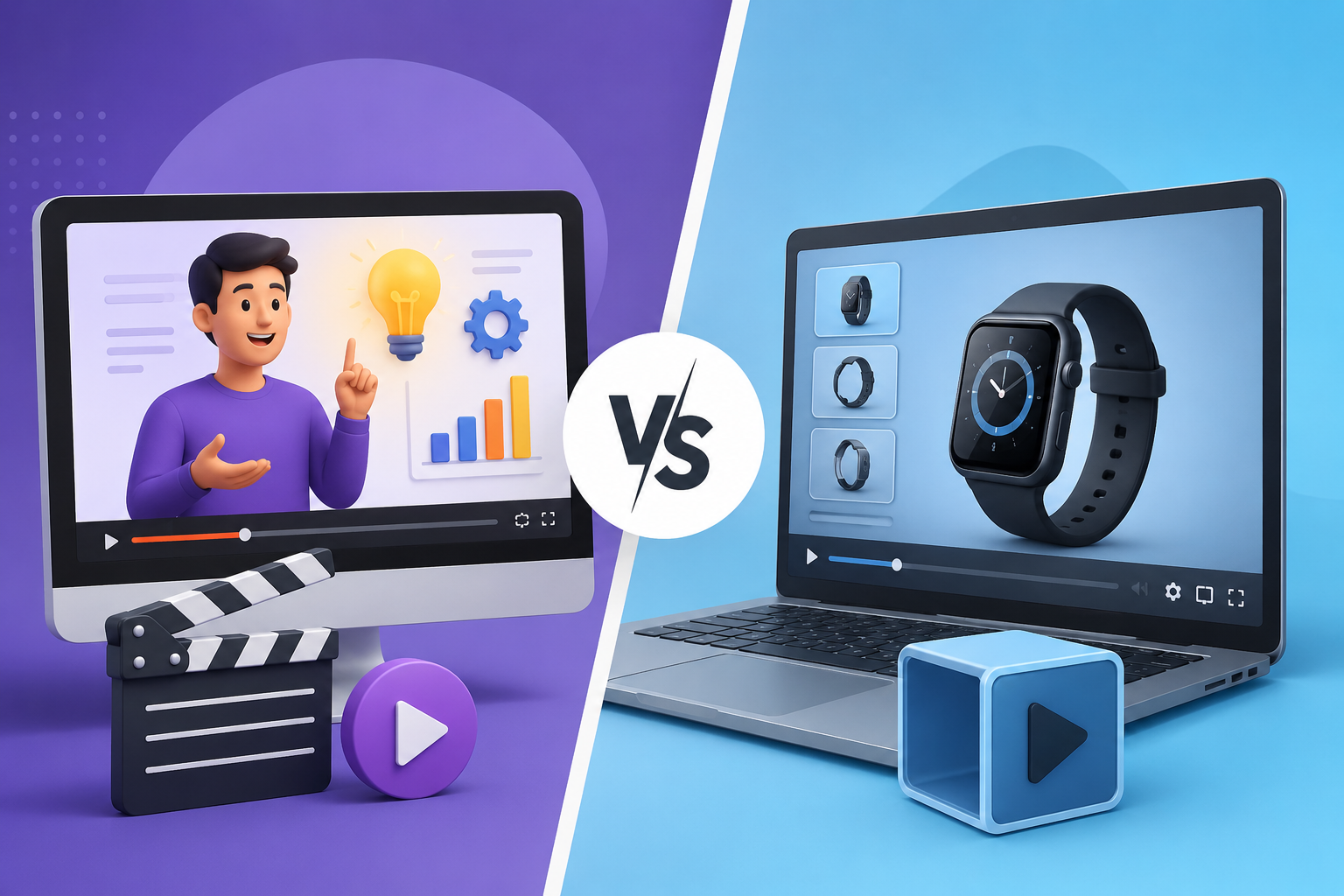
Businesses today are constantly looking for better ways to explain their products, services, and ideas. In a digital environment where attention spans are shorter and competition is higher, video has become one of the most effective communication tools. However, not all videos serve the same purpose. Two formats that are often confused are explainer videos and product demo videos. While both aim to educate audiences, their approach, storytelling style, and objectives are different. Understanding where each format works best helps businesses choose the right video strategy for their goals.

In This Article, You Will Learn:

  • What explainer videos are and when to use them
  • What product demo videos are and how they help customers
  • The key differences between explainer videos and product demos
  • Where 2D animation fits best in video marketing
  • Why businesses prefer animated explainer videos
  • How to choose the right video format for your business goals

This is where 2D Animation Video Production becomes especially valuable. With the ability to simplify complex concepts, visualize ideas, and create engaging narratives, 2D animation offers a flexible solution for brands looking to communicate clearly. Whether you are searching for an explainer video production company in Bangalore, an explainer video production service in Bangalore, or a product video production service in Bangalore, understanding the right video format can help maximize your marketing results.

What Are Explainer Videos?

Explainer videos are designed to simplify concepts. Their primary purpose is to answer questions like:

  • What is this product or service?
  • Why does it matter?
  • How does it solve a problem?

Explainer videos are commonly used by businesses introducing new technologies, software platforms, services, or complex solutions. They focus less on showing the actual product and more on explaining the value behind it.

For example, a software company may use an explainer video to demonstrate how its platform helps businesses automate workflows. Instead of showing every feature, the video focuses on the problem, solution, and benefits. This makes explainer videos especially useful for audiences who are unfamiliar with the product or concept.

Must Read – Why Hospitals Need Healthcare Explainer Videos in 2026

What Are Product Demo Videos?

Product demo videos focus on showing the product in action. The objective is to help viewers understand functionality, features, and practical usage.

Product demos are commonly used for:

  • Software demonstrations
  • Consumer products
  • Technical equipment
  • SaaS platforms
  • Online tools

A product demo answers questions such as:

  • How does the product work?
  • What features does it offer?
  • How can users interact with it?

Unlike explainer videos, product demos are more focused on the actual experience of using the product. They help potential customers visualize ownership and understand practical applications.

Key Difference: Explanation vs Demonstration

The simplest way to differentiate the two formats is:

  • Explainer videos explain why something matters.
  • Product demo videos show how something works.

An explainer video focuses on storytelling, problem-solving, and creating awareness. A product demo focuses on functionality, features, and user experience.

Both formats have value, but they work at different stages of the customer journey.

A potential customer who does not understand a solution may benefit from an explainer video first.
Someone already interested in the product may prefer a detailed demonstration.

Where Does 2D Animation Fit Best?

2D animation is particularly effective for explainer videos because it allows brands to visualize ideas that may be difficult to capture through traditional filming.

With animation, businesses can represent:

  • Abstract concepts
  • Digital products
  • Complex processes
  • Data flows
  • Customer journeys
  • Future scenarios

For industries such as technology, healthcare, finance, education, and manufacturing, 2D Animation Video Production provides a creative way to simplify complicated information. Instead of relying on lengthy explanations, animation can transform complex ideas into easy-to-understand visual stories.

Why Businesses Choose 2D Animation for Explainers

One of the biggest advantages of animation is creative flexibility. Unlike live-action videos, animation is not limited by physical locations, actors, or real-world constraints.

Brands can create:

  • Custom characters
  • Unique visual styles
  • Engaging transitions
  • Simplified demonstrations
  • Memorable storytelling experiences

This makes animated explainers highly adaptable for different industries and audiences.

  • A financial platform can visualize money movement.
  • A healthcare company can explain medical processes.
  • A technology brand can demonstrate invisible software systems.

The possibilities are significantly broader.

Can 2D Animation Work for Product Demos?

Yes, but the approach depends on the product.

For physical products where users need to see real-world operation, live-action demonstrations may be more effective. However, for digital products, software platforms, or complex systems, animated demos can be extremely powerful.

A 2D Animation Video Production approach can highlight:

  • Internal processes
  • User journeys
  • Product functionality
  • Software workflows
  • Feature demonstrations

For example, software features can be visually represented without requiring viewers to navigate through complicated interfaces.

Choosing the Right Video Format

The right choice depends on your communication goal.

Choose an Explainer Video When You Need To:

  • Introduce a concept
  • Educate an audience
  • Simplify complexity
  • Build awareness
  • Explain a service or solution
  • Choose a Product Demo Video When You Need To:
  • Showcase functionality
  • Demonstrate usage
  • Highlight features
  • Support purchase decisions
  • Increase customer confidence

Many successful brands use both formats together.

  • An explainer creates understanding.
  • A product demo builds confidence.

Conclusion

Explainer videos and product demo videos both play important roles in modern marketing, but they serve different purposes.

Explainer videos focus on storytelling and education.
Product demos focus on functionality and demonstration.

For businesses dealing with complex ideas, services, or digital products, 2D Animation Video Production offers an effective way to communicate clearly and creatively.

The best video strategy is not about choosing the most visually impressive format. It is about choosing the format that helps your audience understand, trust, and connect with your message.

Whether you need an explainer video production company in Bangalore, an explainer video production service in Bangalore, or a product video production service in Bangalore, selecting the right video format can significantly improve customer engagement, lead generation, and conversion rates.

Frequently Asked Questions (People Also Ask)

1. Are Explainer Videos Effective?

  • Yes. Explainer videos are highly effective because they simplify complex information, improve audience engagement, and increase conversion rates. Businesses use them to educate customers, build trust, and communicate their value proposition quickly and clearly.

2. Benefits of Explainer Videos?

  • Improve customer understanding
  • Increase website engagement
  • Boost conversion rates
  • Simplify complex concepts
  • Strengthen brand awareness

3. What Are the 4 Categories of Animation?

The four main categories of animation are:

  • 2D Animation
  • 3D Animation
  • Motion Graphics Animation
  • Stop Motion Animation

Each serves different purposes, but 2D animation remains one of the most popular choices for explainer videos because of its flexibility and cost-effectiveness.

4. What Is a 2D Explainer Video Style?

  • A 2D explainer video style uses animated illustrations, characters, icons, text, and motion graphics to explain a product, service, or concept in a visually engaging way.It is commonly used by:
  • Technology companies
  • SaaS businesses
  • Healthcare organizations
  • Educational institutions
  • Financial service providers

5. What Are the Benefits of Animated Explainer Videos?

Animated explainer videos offer several advantages, including:

  • Simplifying complex information
  • Increasing audience retention
  • Enhancing brand recall
  • Supporting digital marketing campaigns
  • Improving lead generation
  • Creating engaging customer experiences
  • Reducing production costs compared to live-action videos

6. Which Is Better: An Explainer Video or a Product Demo Video?

The answer depends on your objective.

  • Use an explainer video to create awareness and educate potential customers.
  • Use a product demo video to showcase features and help customers evaluate the product.
  • Many businesses combine both formats for maximum marketing effectiveness.

7. Why Choose an Explainer Video Production Company in Bangalore?

  • A professional explainer video production company in Bangalore can help businesses create compelling animated videos that simplify messaging, improve customer engagement, and increase conversions through strategic storytelling and visual communication.

8. What Should I Look for in a Product Video Production Service in Bangalore?

When choosing a product video production service in Bangalore

  • Industry experience
  • Portfolio quality
  • Animation capabilities
  • Scriptwriting expertise
  • Turnaround time
  • Customer reviews
  • Ability to understand your business goals

A high-quality product video should clearly demonstrate features while helping potential customers understand the value of the product.

Continue Reading

One of the first questions businesses ask before starting a website project is simple:

“How long will it take to build?”

The answer, however, is not as straightforward as a fixed number. A website is not just a collection of pages placed online. It involves strategy, planning, user experience, design, content, development, testing, and optimization. The timeline depends on factors such as website complexity, business goals, number of pages, required features, and the level of customization involved. A professional Web Design Company in Bangalore typically follows a structured process to ensure that the final website is not only visually appealing but also functional, scalable, and aligned with business objectives. While timelines vary, understanding the different stages of website design can help businesses set realistic expectations.

Average Website Design Timeline

For most business websites, a typical website design project can take anywhere between 6 to 12 weeks. However, the timeline can differ based on the type of website:

  • Basic business website: 4 to 8 weeks
  • Custom corporate website: 8 to 16 weeks
  • E-commerce website: 12 to 20+ weeks
  • Complex platforms or web applications: Several months

A smaller website with limited pages may move quickly, while a larger website requiring custom functionality naturally requires more planning and development time. The goal should not be to build the website as quickly as possible. It should be to create a website that delivers long-term value.

Stage 1: Discovery and Strategy (1-2 Weeks)

The first stage is understanding the business. Before designing anything, a Website Design Agency typically focuses on:

  • Understanding business goals
  • Identifying target audiences
  • Reviewing competitors
  • Defining website structure
  • Planning user journeys

This stage is often underestimated, but it forms the foundation of the entire project. A website designed without strategic clarity may look impressive but fail to generate meaningful results. Good websites are not created by starting with colors and layouts. They are created by understanding what the business needs the website to achieve.

Stage 2: Design and User Experience Planning (2-4 Weeks)

Once the strategy is clear, the design phase begins. This includes:

  • Wireframes
  • Page layouts
  • Visual direction
  • User interface design
  • Responsive design planning

A professional Web Design Company in Bangalore focuses on creating experiences that are easy to navigate and intuitive for users. The design process involves balancing aesthetics with functionality. A beautiful website that confuses visitors is not successful. The internet already has enough mysterious buttons and unnecessary clicks. The focus should always remain on helping users find information quickly and take action easily.

Stage 3: Development and Integration (3-8 Weeks)

After design approval, the development stage begins. Developers transform approved designs into a fully functional website. This stage may include:

  • Front-end development
  • Content management systems
  • Database integration
  • Third-party tools
  • Forms and automation
  • E-commerce functionality

The complexity of these requirements directly affects the timeline. A standard company website may require fewer development hours, while websites with advanced features need additional testing and refinement.

Stage 4: Content Addition and Optimization (1-3 Weeks)

Content plays an important role in website success. This includes:

  • Website copy
  • Images
  • Videos
  • Product information
  • SEO elements

A website should not only look good but also communicate clearly and perform well in search engines. Many delays occur because the content is not prepared on time. Design and development teams can build the structure, but they cannot magically invent accurate business information from thin air. Even technology has limits, sadly.

Stage 5: Testing and Launch (1-2 Weeks)

Before launching, the website goes through quality checks. Testing usually covers:

  • Mobile responsiveness
  • Browser compatibility
  • Page speed
  • Forms and functionality
  • User experience issues
  • Security checks

A reliable Website Design Agency ensures that the website performs smoothly before it becomes available to customers. Launching too early can create problems that affect credibility and user experience.

Factors That Can Affect Website Timeline

Several factors influence how quickly a website project moves forward:

  1. Project Scope – More pages, features, and integrations require more time.
  2. Feedback Speed – Delayed approvals can slow down the entire process.
  3. Content Availability – Missing content often creates unnecessary delays.
  4. Level of Customization – Custom designs and features require more development effort than templates.
  5. Collaboration Between Teams – Clear communication between the business and agency helps maintain momentum.

Conclusion

A website design project usually takes anywhere from a few weeks to several months, depending on its complexity and requirements.

The right Web Design Company in Bangalore focuses on creating a website that supports business goals rather than simply delivering a website quickly.

A successful website requires strategic planning, thoughtful design, technical expertise, and careful execution.

Because a website is not just a digital presence. It is often the first interaction customers have with your business. And first impressions, inconveniently for everyone, still matter.

Continue Reading

In 2026, simply having a website is no longer enough. Customers have higher expectations, shorter attention spans, and countless alternatives available at their fingertips. A business website must do more than look attractive; it must convert visitors into leads, enquiries, and customers.

Whether you are a startup, IT company, manufacturing business, or service provider, your website often creates the first impression of your brand. This is why businesses are increasingly investing in professional Web Design Services in Bangalore and advanced Website Designing Services to build websites that drive measurable business results.

So, what exactly makes a website high-converting in 2026?

Clear Messaging Above Everything Else

The first few seconds on a website are critical. Visitors should immediately understand:

  • Who you are
  • What you offer
  • Who you help
  • Why they should choose you

Many websites lose potential customers because their messaging is too generic or confusing. A high-converting website communicates value clearly and quickly.

Your homepage should answer the visitor’s biggest question: “How can this business help me?”

Mobile-First Design Is Essential

With the majority of users browsing through smartphones, mobile experience has become a major conversion factor.

Modern Website Designing Services focus on:

  • responsive layouts
  • fast-loading pages
  • touch-friendly navigation
  • mobile-optimized forms

If visitors struggle to navigate your website on mobile devices, they are likely to leave before taking any action.

Fast Website Speed Improves Conversions

Website speed directly affects user experience and conversion rates.

Visitors expect pages to load within seconds. Slow websites often result in:

  • Higher bounce rates
  • lower engagement
  • fewer enquiries
  • lost sales opportunities

Professional Web Design Services in Bangalore prioritize speed optimization by improving page performance, image compression, and technical efficiency.

In 2026, speed is not just a technical factor—it is a business requirement.

Strong Calls-to-Action (CTAs)

A website should guide visitors toward specific actions.

Whether you want users to:

  • Request a quote
  • Schedule a consultation
  • Contact your team
  • download a brochure
  • make a purchase

The call-to-action should be visible and compelling.

Many websites fail because they provide information but do not clearly tell visitors what to do next.

Trust Signals Build Confidence

People buy from businesses they trust.

A high-converting website includes trust-building elements such as:

  • client testimonials
  • case studies
  • certifications
  • awards and recognitions
  • client logos
  • reviews and ratings

These elements reduce uncertainty and help visitors feel more confident about engaging with your business.

User Experience (UX) Drives Results

A beautiful website is ineffective if visitors cannot easily find what they need.

Good user experience includes:

  • intuitive navigation
  • clear page structure
  • simple menus
  • easy-to-find contact information
  • logical content flow

Leading providers of Website Designing Services understand that user experience directly influences conversion rates.

The easier it is for visitors to take action, the more likely they are to convert.

SEO and Website Design Must Work Together

A high-converting website needs traffic before it can generate leads.

Modern Web Design Services in Bangalore combine design with SEO best practices, including:

  • optimized page structures
  • clean code
  • fast loading times
  • mobile responsiveness
  • keyword-focused content architecture

This helps businesses attract qualified visitors while improving user experience.

AI-Ready and Search-Friendly Content

As AI-powered search tools become more popular, websites need well-structured and informative content.

Businesses should focus on:

  • answering customer questions
  • creating helpful content
  • using clear headings
  • building topical authority

A website that communicates clearly to both users and search engines is more likely to perform well in traditional search and AI-generated search experiences.

Final Thoughts

A high-converting website in 2026 is not defined by flashy animations or trendy designs. It is defined by how effectively it helps visitors understand your value, trust your brand, and take action.

From clear messaging and mobile optimization to strong user experience and SEO foundations, every element plays a role in improving conversions.

Partnering with experienced agencies like Honeycomb Creative Support can help businesses combine strategic design, user-focused experiences, and conversion-driven development to maximize the impact of their online presence.

By investing in professional Web Design Services in Bangalore and strategic Website Designing Services, businesses can create websites that do more than look good; they become powerful tools for generating leads, building trust, and driving long-term growth.

Continue Reading

Packaging is often the first interaction customers have with a product. Before they understand the ingredients, features, or benefits, they notice the packaging. The colors, structure, materials, and overall presentation influence how they perceive the brand and whether they choose to explore the product further. However, effective packaging is not about creating the most visually attractive design. The right packaging needs to match the product category, target audience, usage requirements, and brand positioning. A luxury product, a healthcare product, and a food item all communicate differently. Using the same design approach across categories can make a product feel disconnected from its audience.

This is why choosing the right Product Packaging Design strategy is essential for building recognition, trust, and market impact.

Understand Your Product Category First


Every product category has its own customer expectations. Before starting the design process, brands need to understand what customers look for when making purchase decisions. For example:

  • Food packaging often focuses on freshness, appetite appeal, and convenience.
  • Skincare packaging emphasizes quality, trust, and premium experiences.
  • Healthcare packaging requires clarity, accuracy, and credibility.
  • Technology packaging often highlights innovation and simplicity.

A successful packaging approach begins by understanding what matters most to customers within that category. Design should support customer expectations while helping the product stand apart.

Consider Your Target Audience


Packaging should always be designed for the people who will use or buy the product. Understanding your audience helps determine:

  • Visual style
  • Color choices
  • Typography
  • Messaging
  • Packaging format

A product targeted toward young consumers may benefit from bold visuals and expressive designs, while a premium business product may require a more minimal and sophisticated approach. Good packaging does not try to appeal to everyone. It speaks clearly to the right audience.

Choose Colors That Match Brand Perception


Colors play a major role in how customers interpret products. Different colors create different associations:

  • Green often communicates natural or sustainable qualities.
  • Blue can represent trust and reliability.
  • Black is often associated with luxury and premium positioning.
  • Bright colors may suggest energy and accessibility.

The right color palette depends on both the product category and the brand personality. A thoughtful Product Packaging Design approach uses colors strategically rather than selecting them only because they look attractive.

Also checkout : How Product Packaging Design Influences Buying Decisions

Balance Visual Appeal With Product Information


Packaging needs to attract attention, but it also needs to communicate clearly. Customers should quickly understand:

  • What the product is
  • What benefits it provides
  • How it is different
  • Why they should choose it

Overloading packaging with too much information can create confusion. At the same time, removing important details can reduce customer confidence. The best packaging creates a balance between visual impact and useful information.

Select the Right Packaging Structure and Material


The physical design of packaging is just as important as the visuals. Brands need to consider:

  • Product protection
  • Storage requirements
  • Transportation
  • Sustainability goals
  • Customer convenience

For example, fragile products may require stronger structures, while everyday products may benefit from lightweight and practical packaging. As discussed in our Complete Guide to Product Packaging Design, selecting the right materials and packaging structure is crucial for ensuring product safety, functionality, and customer satisfaction. Materials also influence brand perception. Sustainable materials can strengthen environmental positioning, while premium finishes can create a luxury experience.

Study Competitors Without Copying Them


Understanding competitor packaging helps identify opportunities for differentiation. Brands should analyze:

  • Common design patterns
  • Market expectations
  • Visual trends
  • Customer preferences

However, copying competitor designs can make a product blend into the same category instead of standing out. The goal is to understand the market and find a unique visual position within it.

Think About Online and Offline Experiences


Modern products exist in both physical stores and digital marketplaces. Packaging needs to perform well across:

  • Retail shelves
  • E-commerce platforms
  • Social media content
  • Product photography
  • Digital advertisements

A design that looks impressive in a store should also remain recognizable when viewed as a small online image. Digital visibility has become an important part of modern packaging strategy.

Align Packaging With Brand Growth


Packaging should support the future of the business. A good design system allows brands to:

  • Launch new products
  • Expand product ranges
  • Enter new markets
  • Maintain brand consistency

Instead of creating isolated designs for individual products, businesses should build packaging systems that can grow with them.

Why Professional Packaging Expertise Matters


Choosing the right packaging approach requires a combination of creativity, market understanding, and strategic thinking. A professional design team considers the product category, customer behavior, competition, and brand goals before creating the final direction. The objective is not just to make packaging look good. It is to create packaging that communicates value and supports business growth.

Conclusion


The right Product Packaging Design depends on understanding the product, the audience, and the market environment.

From choosing the right colors and materials to creating a strong shelf presence, every decision influences how customers perceive and remember a brand.

Effective packaging does not simply contain a product. It creates recognition, builds trust, and helps customers make confident purchase decisions.

Because in a crowded marketplace, the package is often the first reason a customer stops, looks, and chooses.

Continue Reading